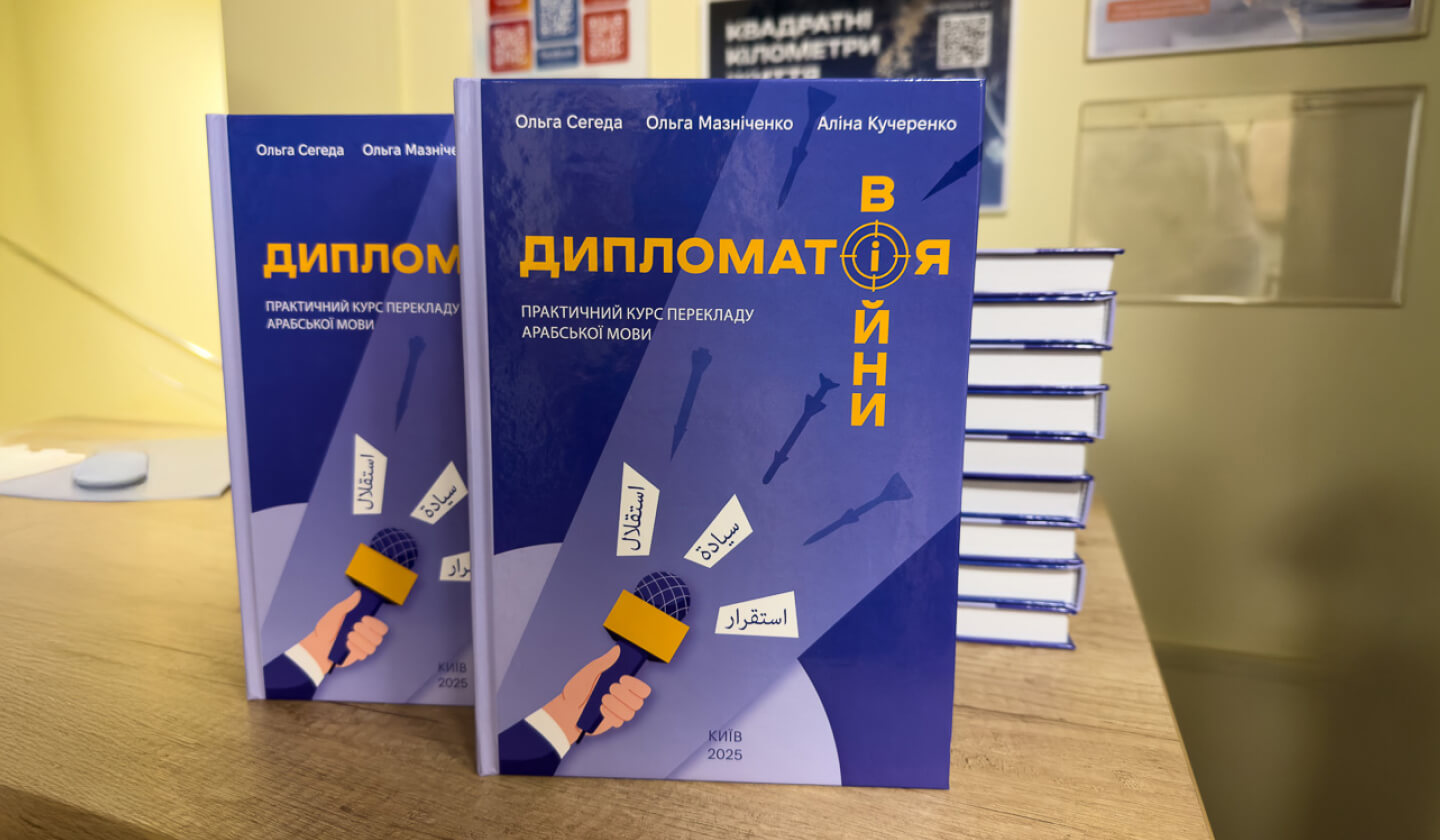
On Wednesday, 17 September 2025, the GDIP Media Center hosted the presentation of the Arabic political and diplomatic translation, Diplomacy of War — the first Ukrainian Arabic-language textbook published in a hybrid format.
The publication combines a printed manual with an interactive online course featuring AI integrations. It targets students of Arabic studies, translators, diplomats, media specialists, analysts, and lecturers who aim to master advanced bilateral interpretation and translation in socio-political and military-diplomatic contexts — particularly relevant in view of Ukraine’s active foreign policy in the Middle East.
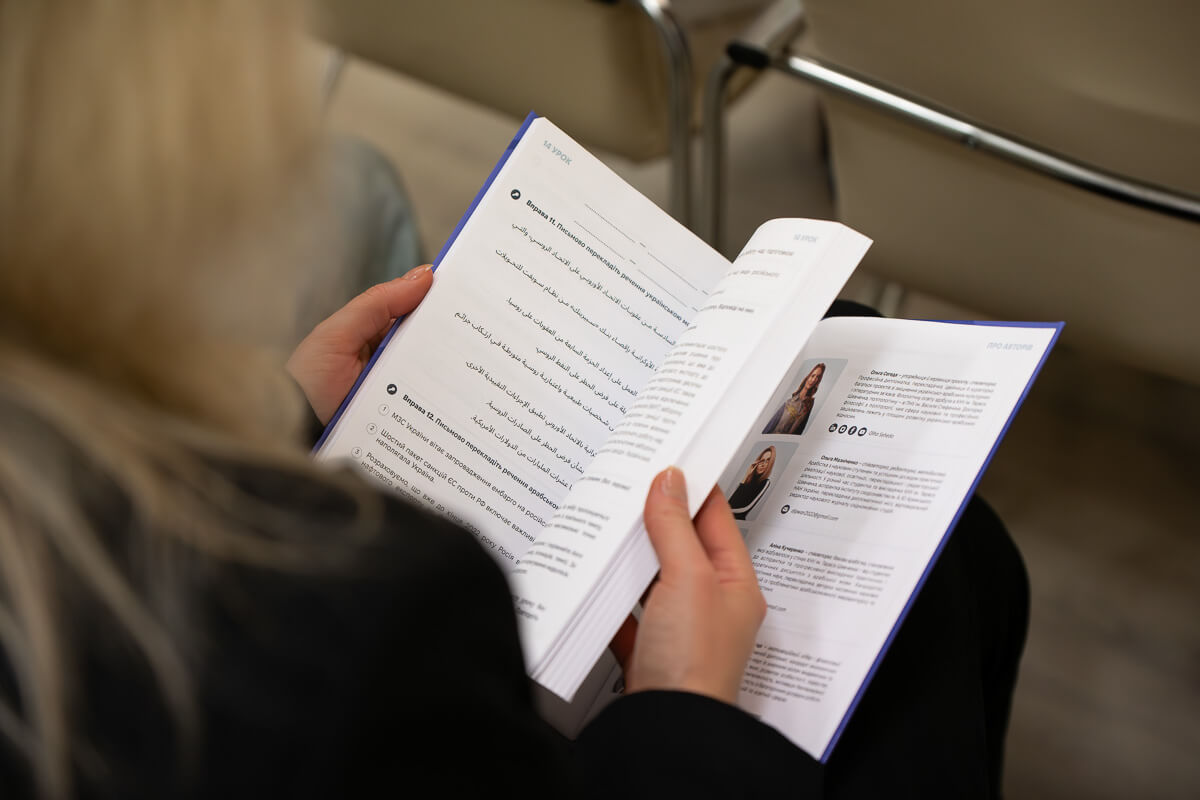
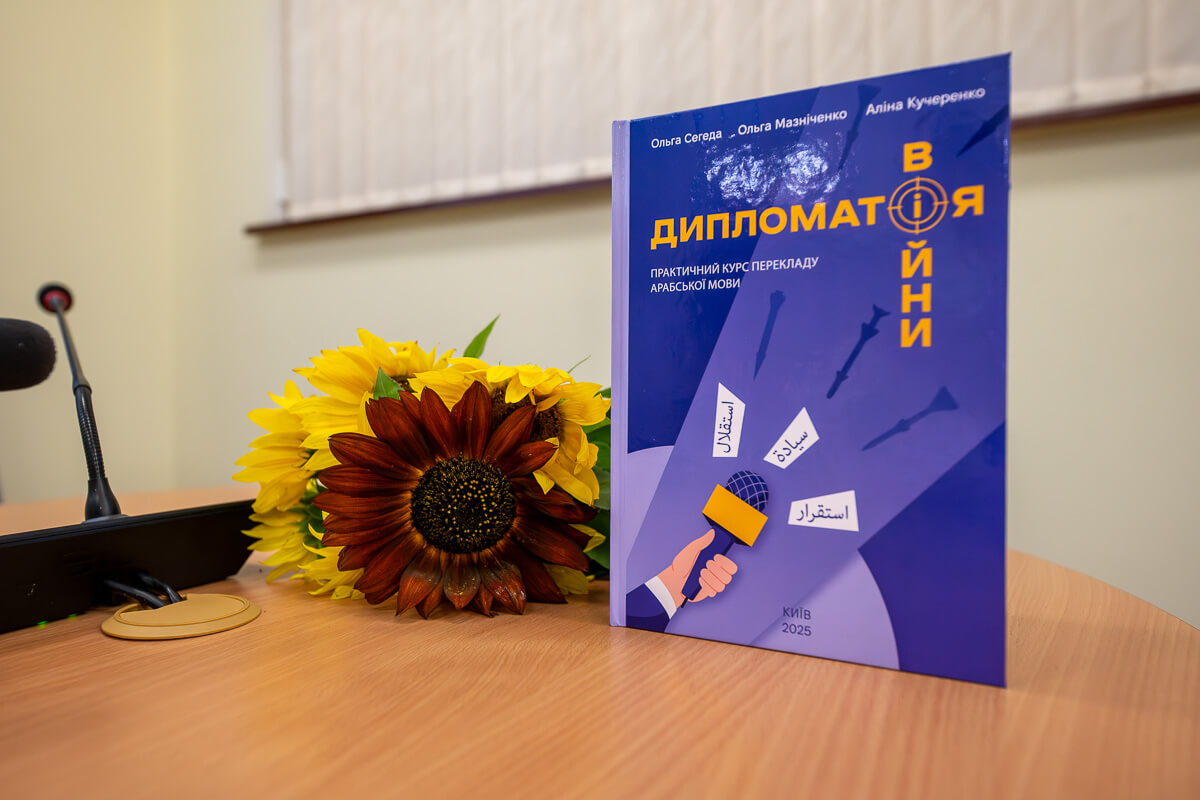
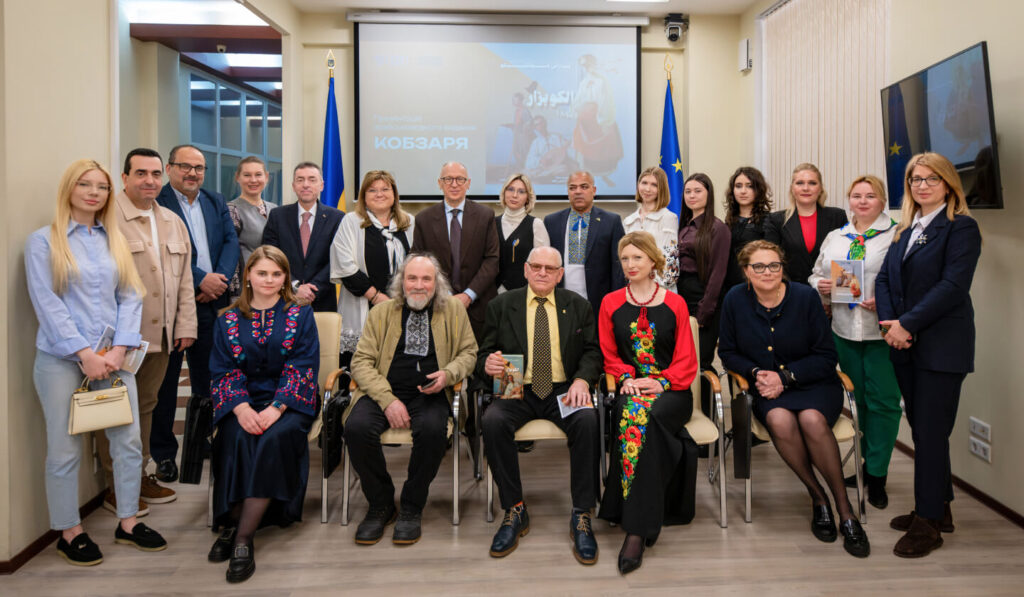
Ukrainian and foreign diplomats, scholars, and students joined the event both in person and online.
Before the presentation began, participants observed a minute of silence in memory of Ukraine’s fallen defenders and the victims of the russian-Ukrainian war.
Romana Kasiianchuk, moderator, Acting Head of the Media Center Directorate, Head of the Advertising and Publishing Department, opened the event with welcoming remarks. She emphasised that the textbook marked a significant step for the development of Ukrainian Arabic studies and provided diplomats in the Middle East with a valuable and unique tool for professional growth and for enhancing their Arabic communication skills. In her words:
‘We all know that communication with the Arabic-speaking world has strategic importance for Ukraine. It is not only about vital political dialogue but also about delivering the truth about the russian-Ukrainian war in Arabic. Translations from so-called third sources often distort meaning and still leave space for russian disinformation, which is then actively used. By mastering Arabic — particularly of a political and diplomatic nature — Ukrainian professionals can speak directly about our country’s struggle for freedom and dignity, our cultural and scientific achievements, and can build long-term partnerships. The GDIP SE always gladly supports such initiatives, as we fully realise their importance and value, especially now.’
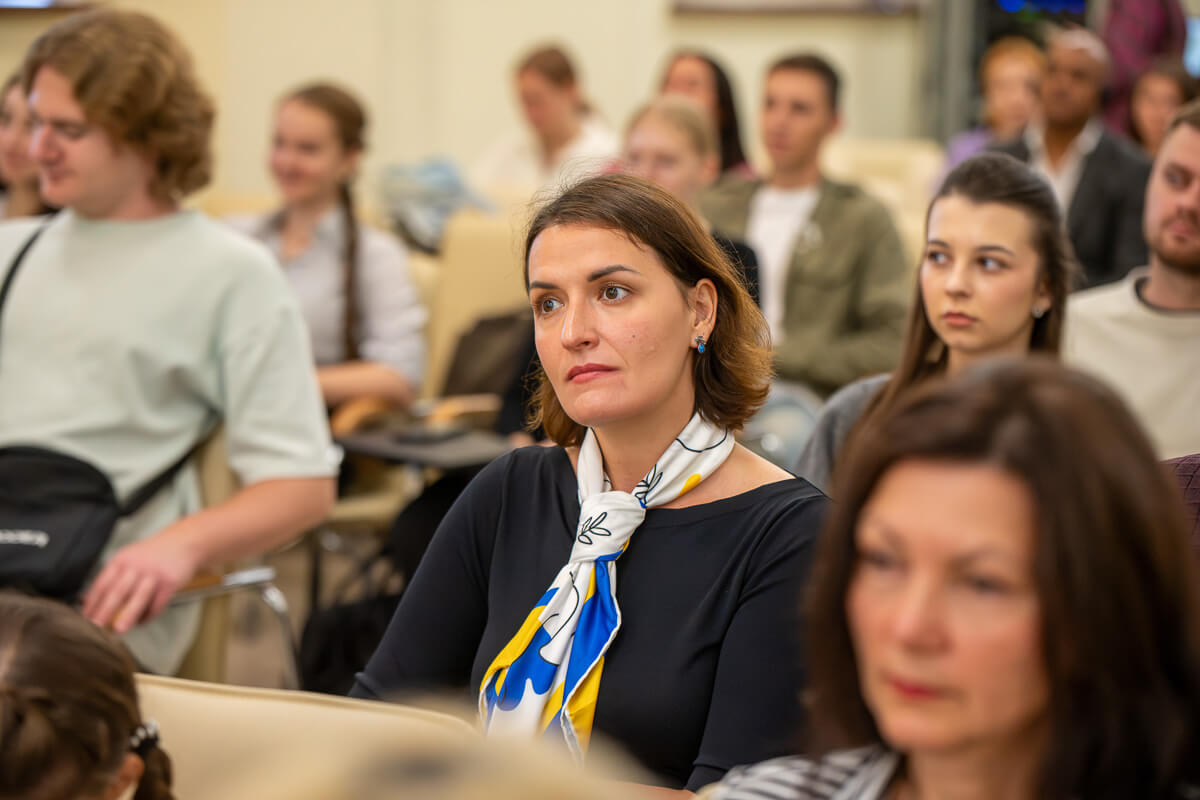
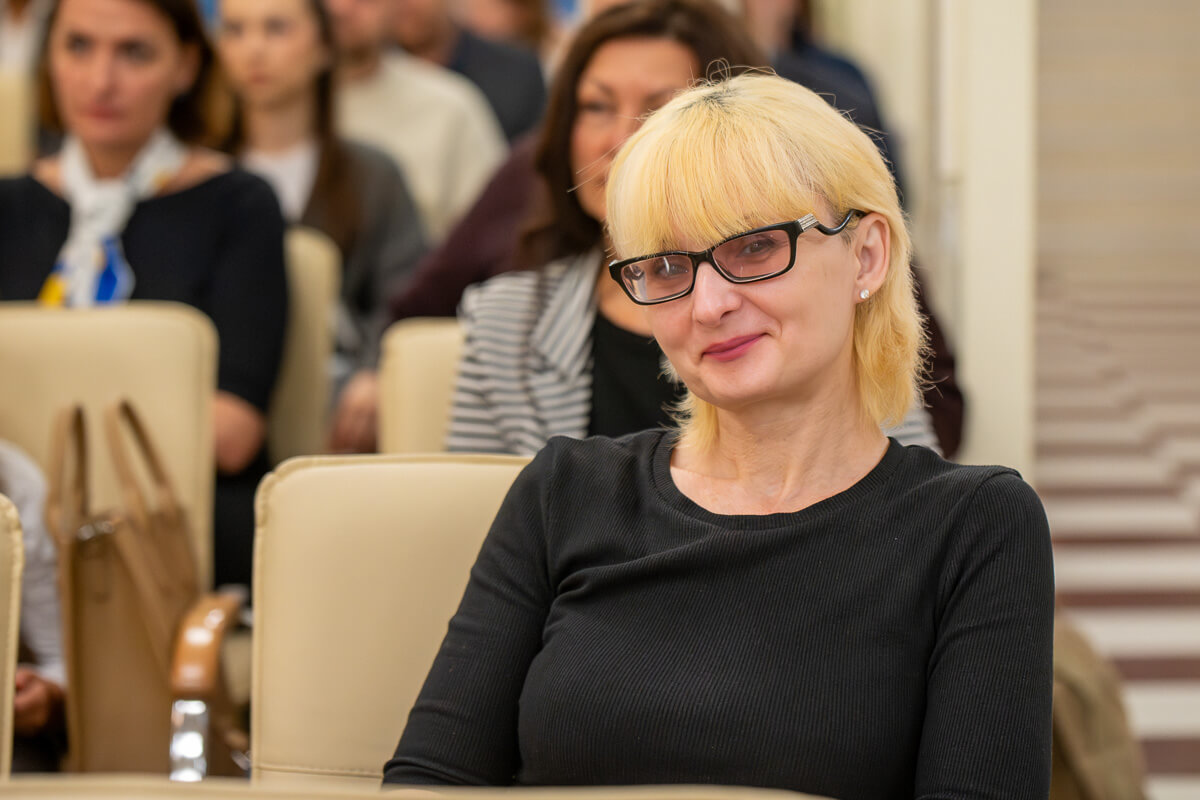
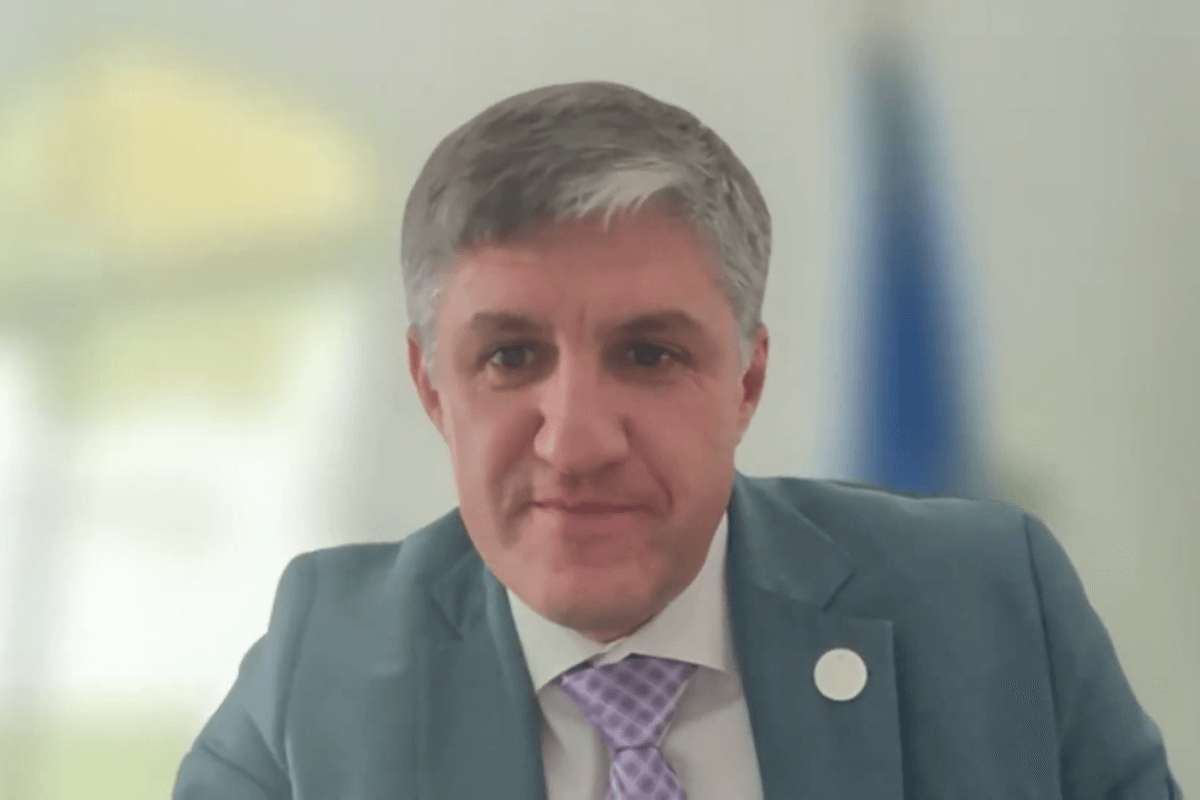
Oleksandr Balanutsa, initiator of the project, Ambassador Extraordinary and Plenipotentiary of Ukraine to the United Arab Emirates, also addressed the guests. He thanked the co-authors and GDIP for supporting the project and spoke about the idea behind the textbook, the events that shaped its concept, and his personal experience of learning Arabic, noting the difficulty caused by the lack of Ukrainian-language teaching materials. He stressed that language study must include historiography, which directly affects the depth of learning. He also outlined the main challenges Ukrainian diplomats face in Arabic-speaking countries, such as the lack of sufficient vocabulary to discuss russia’s full-scale invasion of Ukraine and the shortage of Arabic-speaking Ukrainian experts to promote Ukraine’s narratives against russian disinformation.
‘This textbook before you is based on statements of the Ministry of Foreign Affairs of Ukraine from 24 February 2022. It offers remarkable material — an invaluable resource for Ukrainian counter-propaganda against russian information warfare. All the ministry’s statements that serve as the foundation of this textbook actually provide the basis for the lexical framework of any Arabist or international relations student who wishes to defend the truth in countering russian narratives,’
Ambassador Balanutsa concluded.
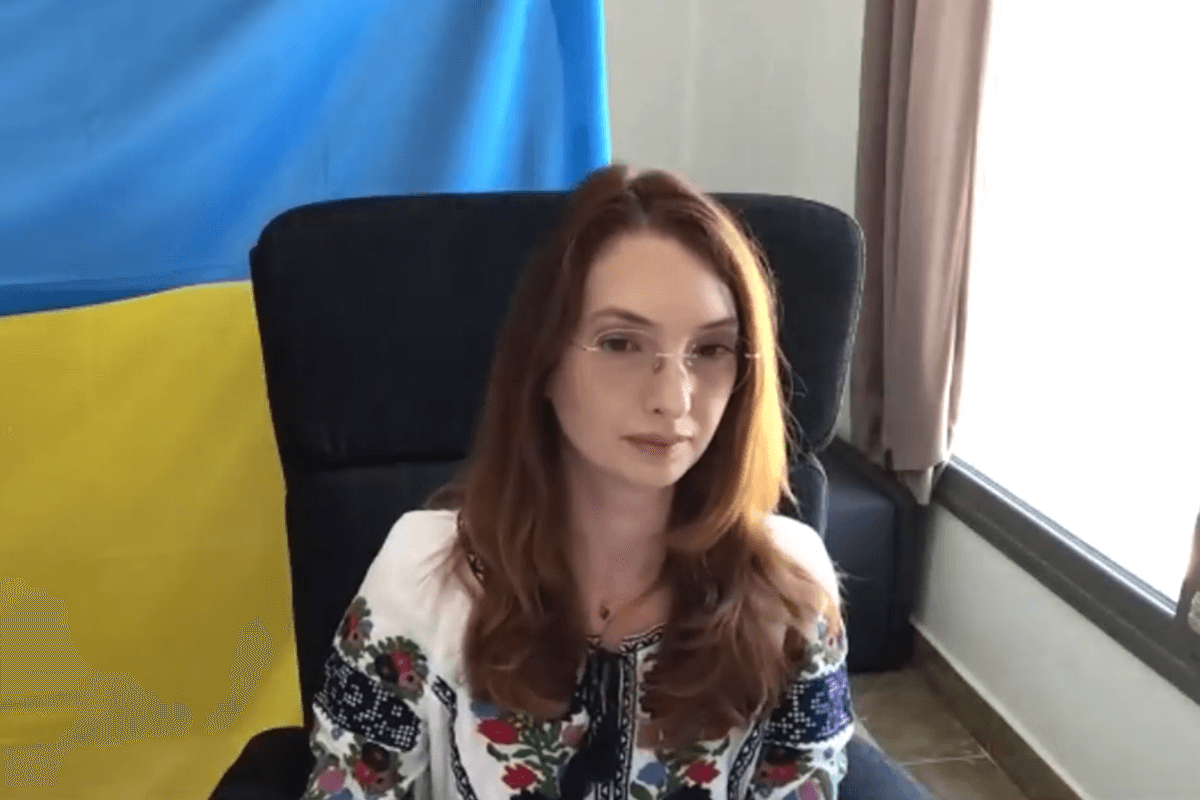
Olha Seheda, diplomat, translator, former staff member of the Embassy of Ukraine in Kuwait (2019–24), editor and project manager of the textbook, described the uniqueness of the work, its structure, its autonomous learning approach, and its interactive innovations:
‘In our circles, we have long spoken about the need for quality Arabic textbooks. Yet few manage to produce even one publication, because it is more difficult than it seems. Diplomacy of War is the only textbook of its kind in Ukraine, not only because it comes in two formats — classic print and interactive digital — but also because of its core principle: “maximum result in minimum time”. The rules and vocabulary remain the same, but they are presented in an engaging and accessible format so that learning can take half a year or a year instead of ten exhausting years, without losing motivation.’
She also outlined the textbook’s unique features that foster comprehensive development of all language skills.
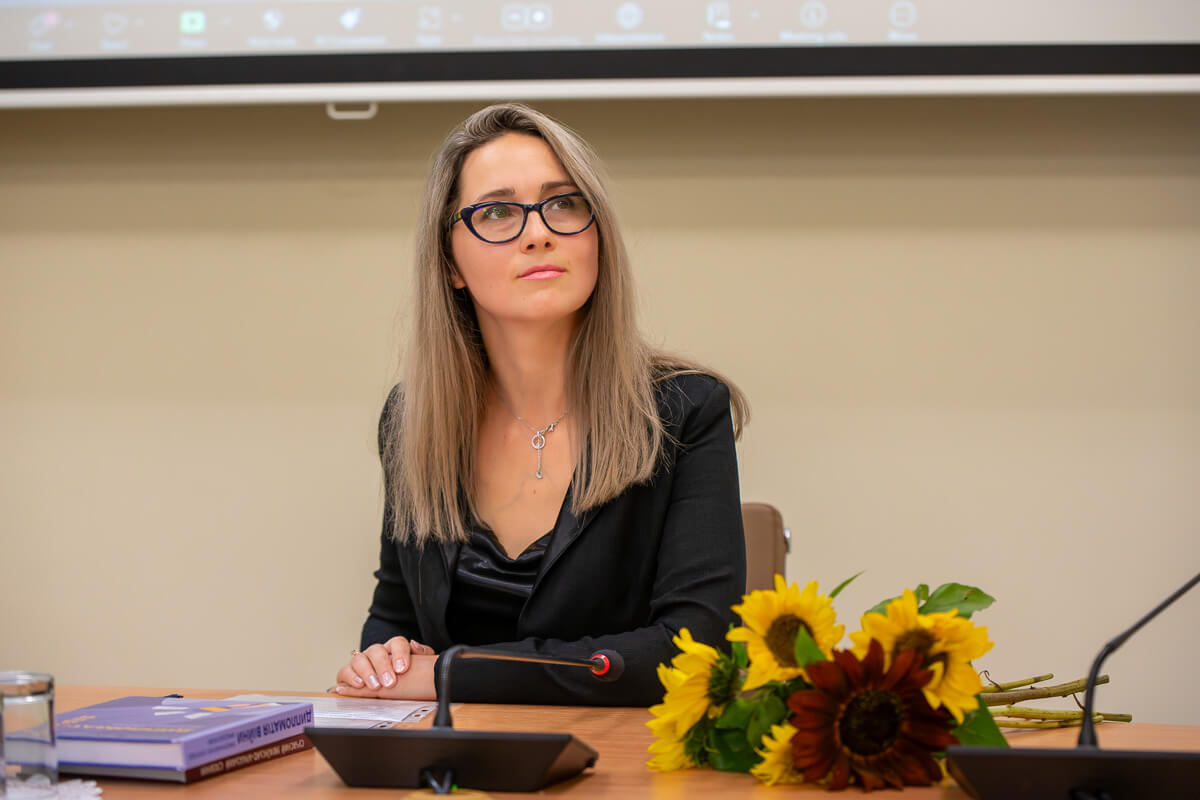
Olha Maznichenko continued the discussion, speaking about the history of the project and the challenges of working on it:
‘The title reflects not only the thematic content but also the actual time of its creation. We wrote it in wartime conditions, which amplifies its uniqueness. The pages of this textbook bear witness to evacuations, cold blackouts, and chilling air-raid alerts. We prepared the materials in dark shelters and cramped bunkers, under the sound of sirens and missiles. These pages, therefore, carry not only educational weight but also memorialise real history — in both Ukrainian and Arabic. In practical terms, the textbook provides opportunities for autonomous study. With basic Arabic knowledge, one can master the material independently. The textbook deserves attention, and the experience gained in its creation deserves a separate presentation.’
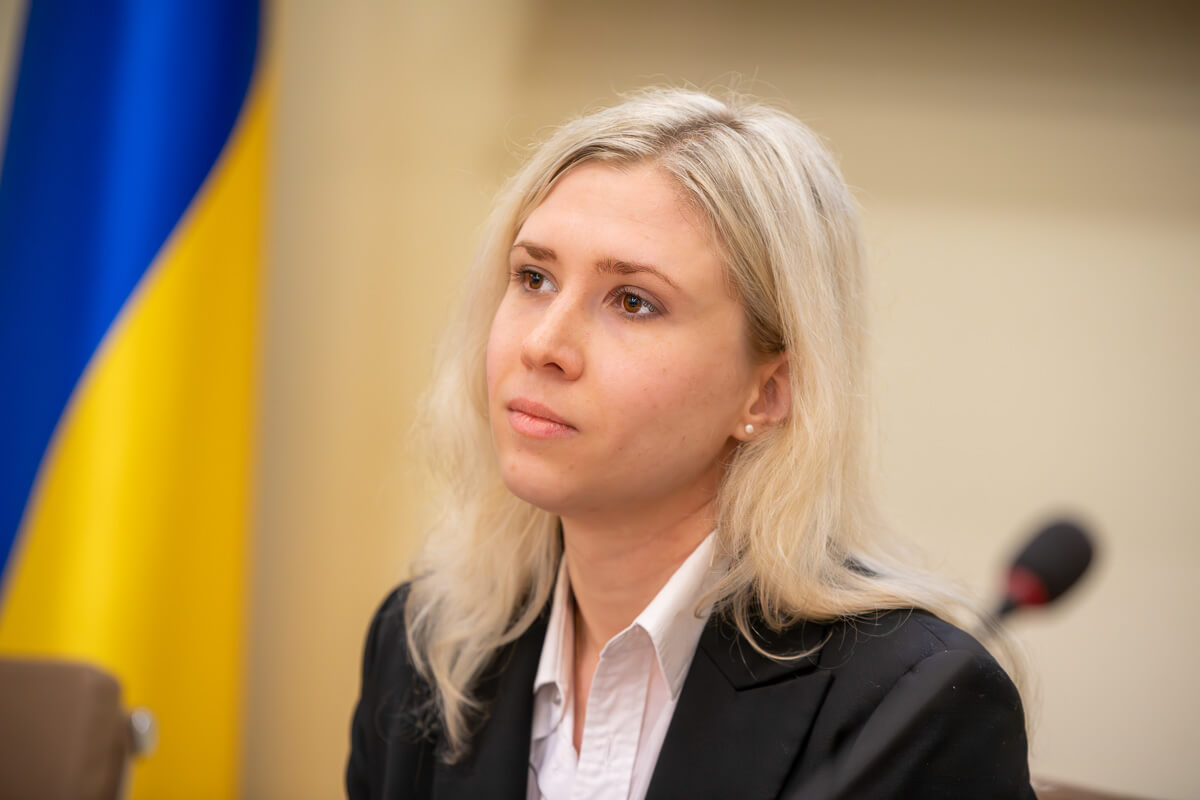
Alina Kucherenko, co-author, PhD in Philology, associate professor, acting head of the Department of Languages and Literatures of the Near and Middle East at the Institute of Philology, Taras Shevchenko National University of Kyiv, congratulated the team on their work:
‘I want to commend our team for their immense effort. I hope Diplomacy of War proves useful not only to students and diplomats but to everyone interested in Arabic. Your positive feedback may inspire us to develop new projects. Despite the work already done, Ukraine still needs much more to build a strong school of Arabic studies and a foundation for teaching and practical translation. We call on everyone to study and join in overcoming wartime and post-war challenges.’
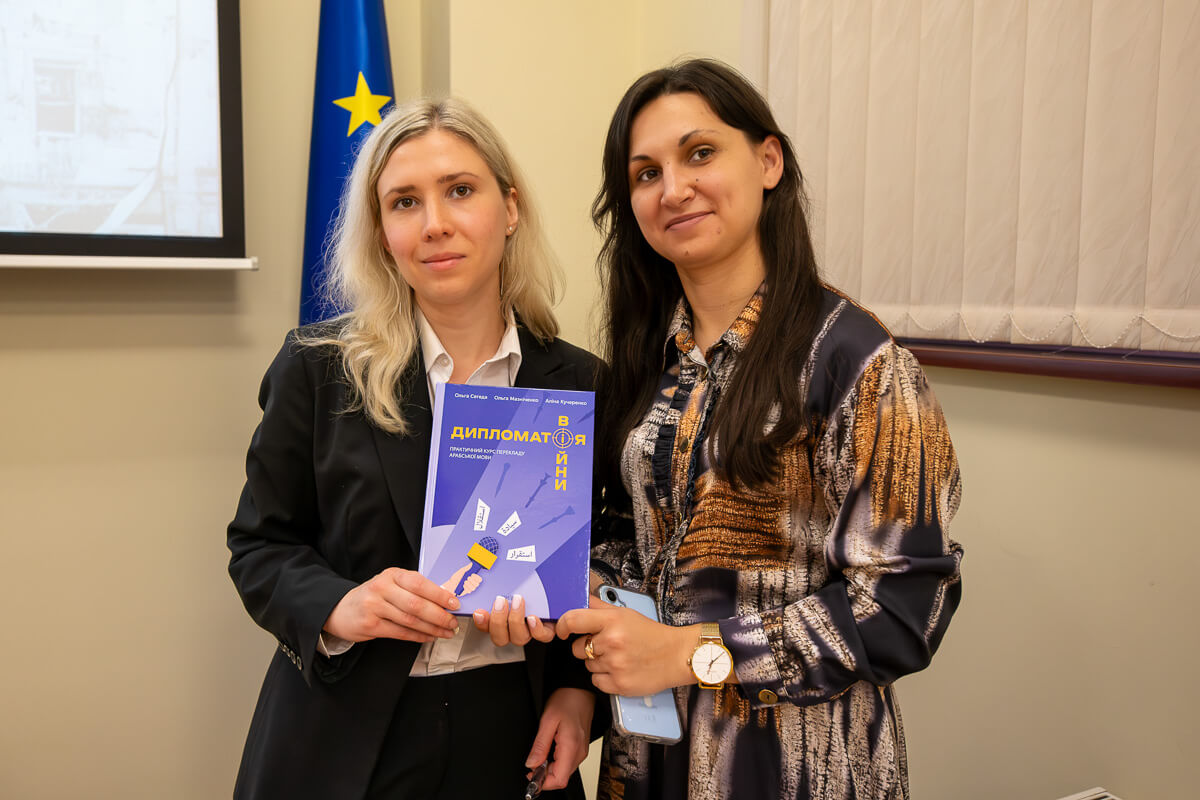
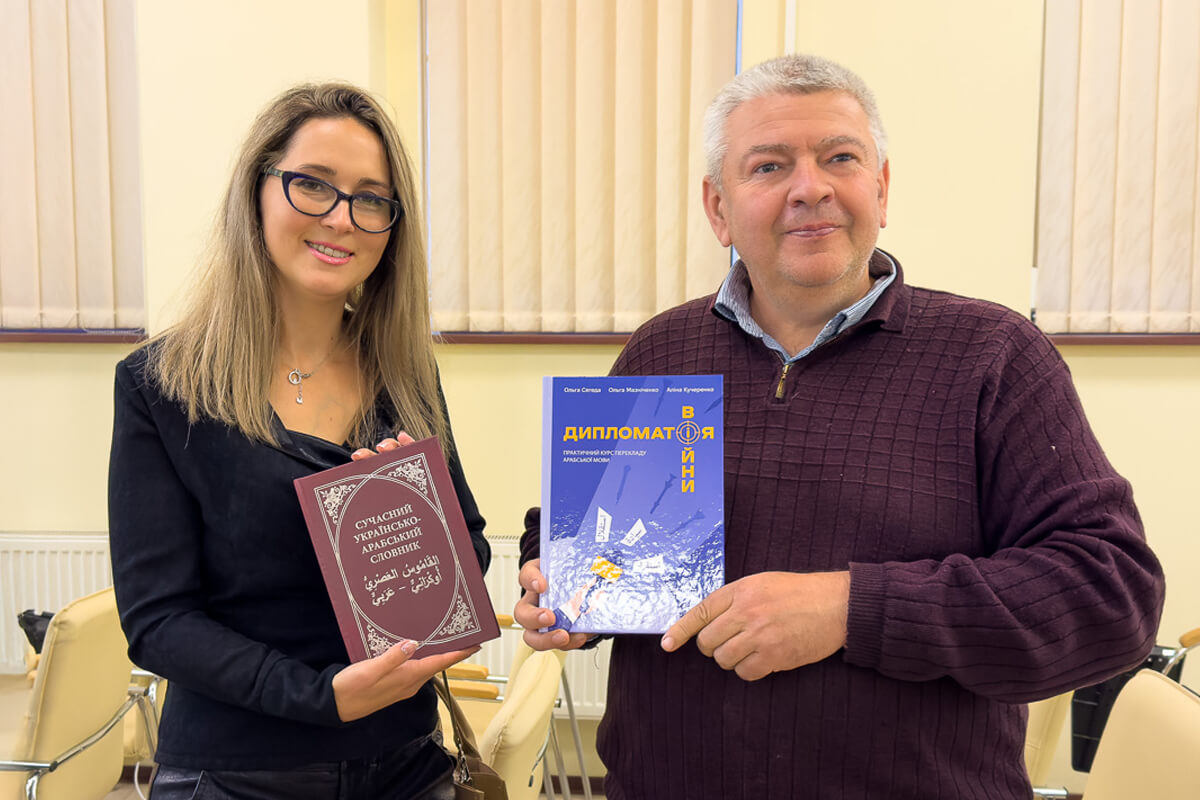
During the presentation, guests at the GDIP Media Center took part in a lottery. A random number generator selected the winner, who received a copy of Diplomacy of War.
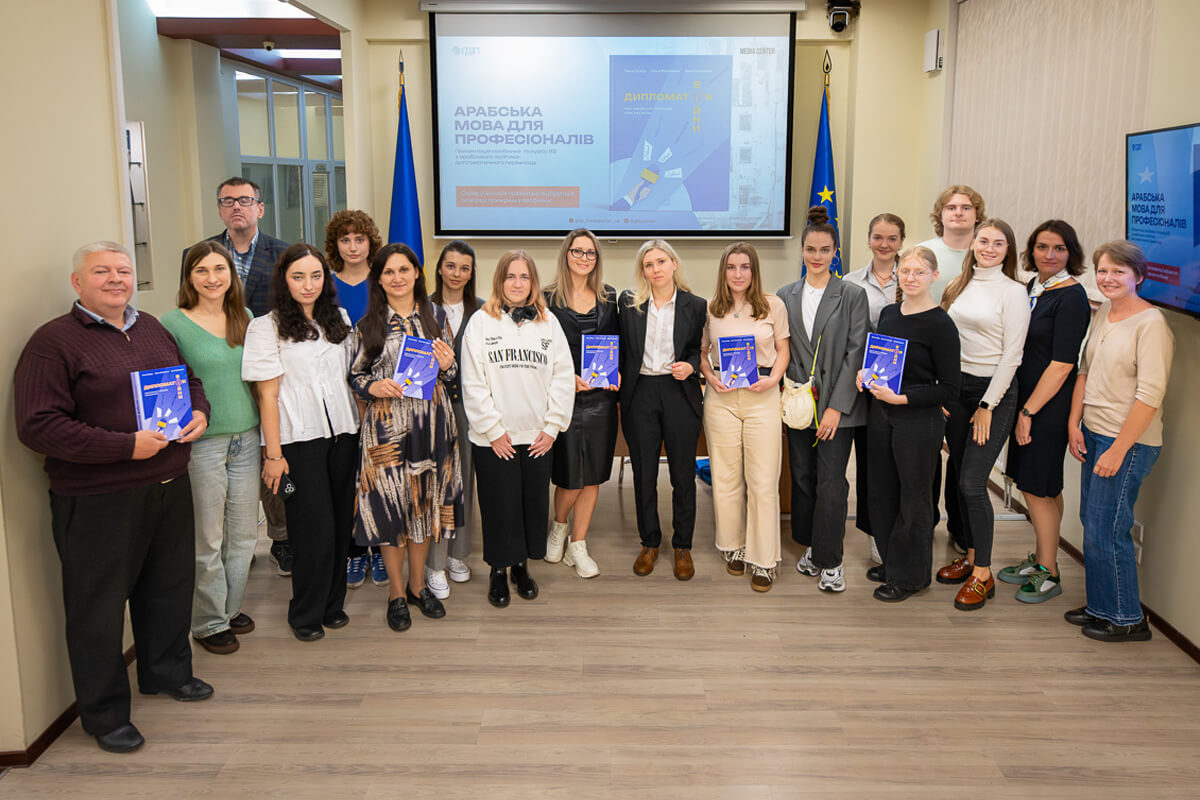
The event concluded with a discussion, where participants shared congratulations and impressions of the textbook.
Finally, Olha Seheda presented the interactive course’s online platform, which allowed participants to explore the publication and its Arabic-learning features.
Website: https://learnarabic.in.ua/