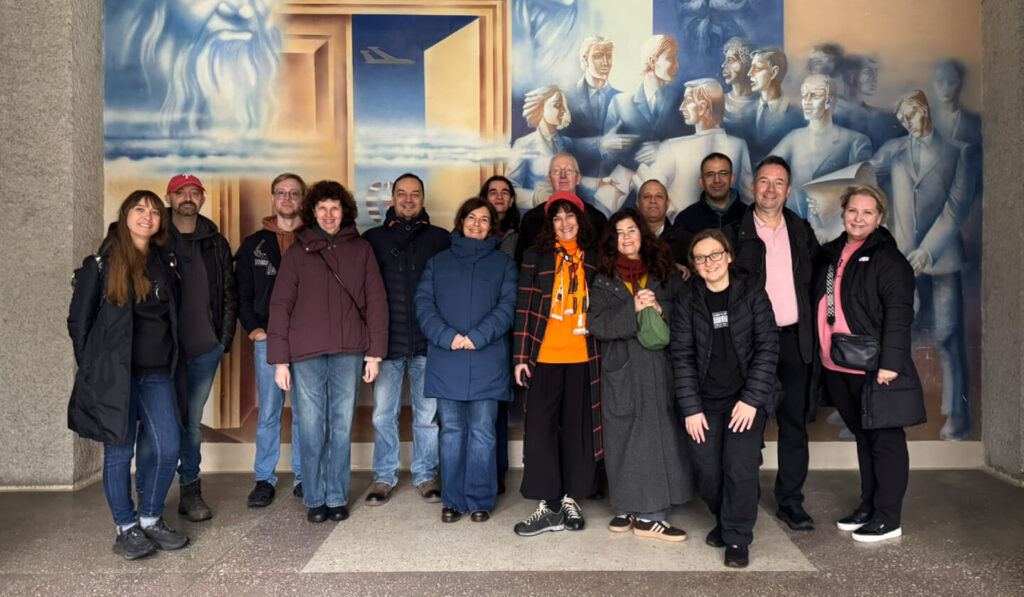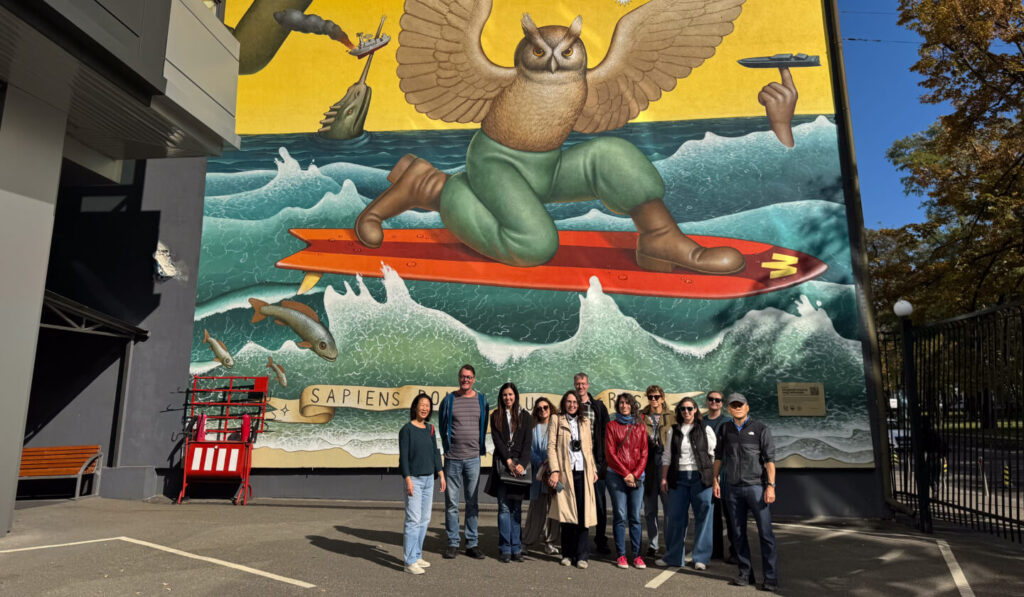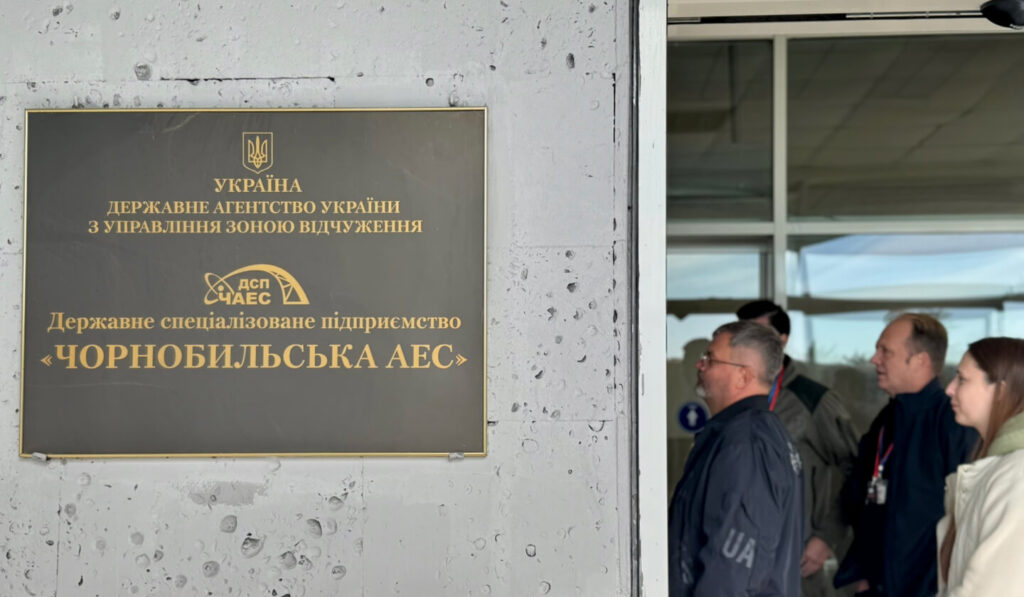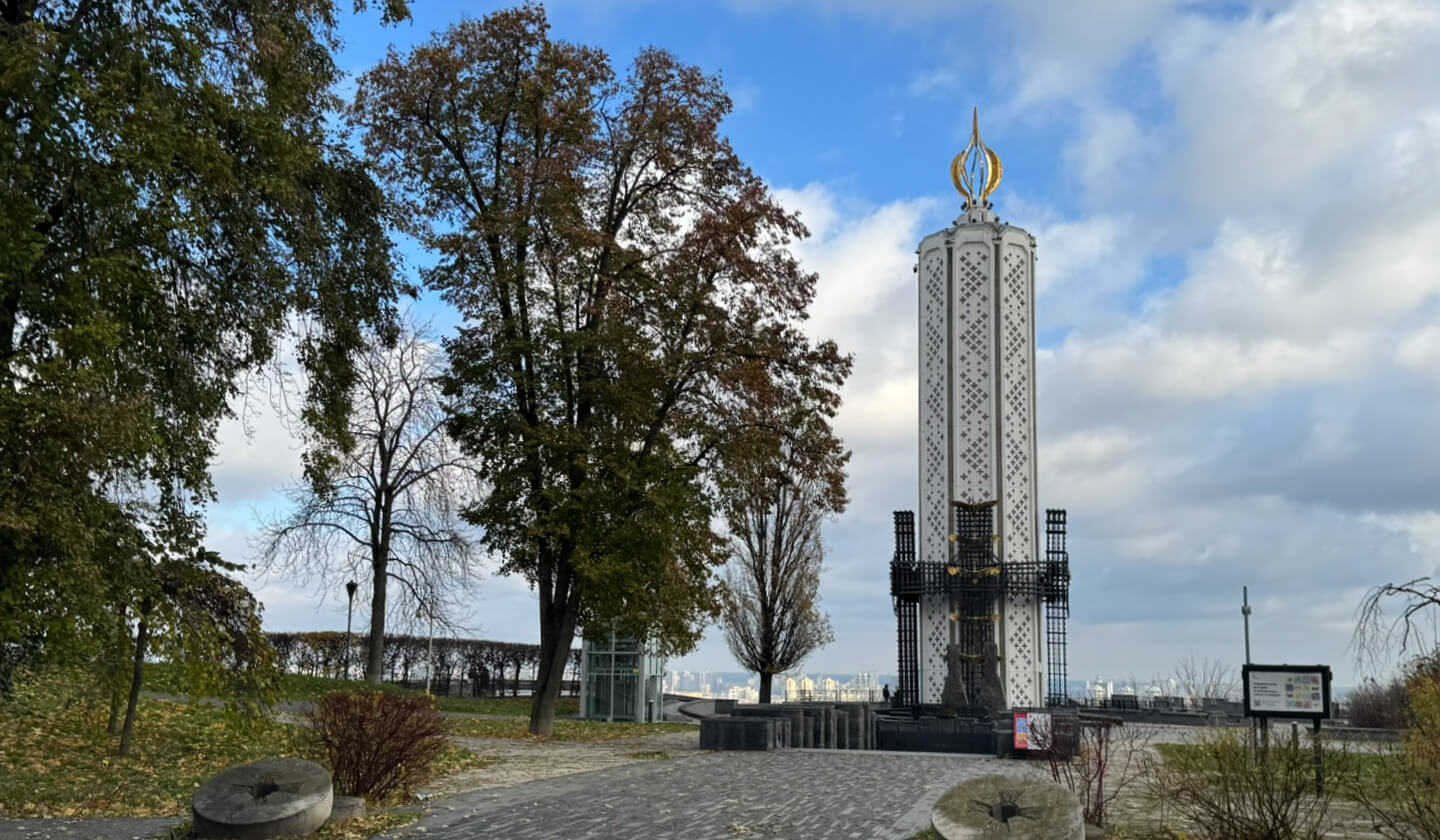
On Saturday, 14 November 2026, the GDIP Media Center Directorate organized a visit to the National Museum of the Holodomor-Genocide for members of the diplomatic corps. The visit took place ahead of Holodomor Remembrance Day, observed in Ukraine each year on the fourth Saturday of November.
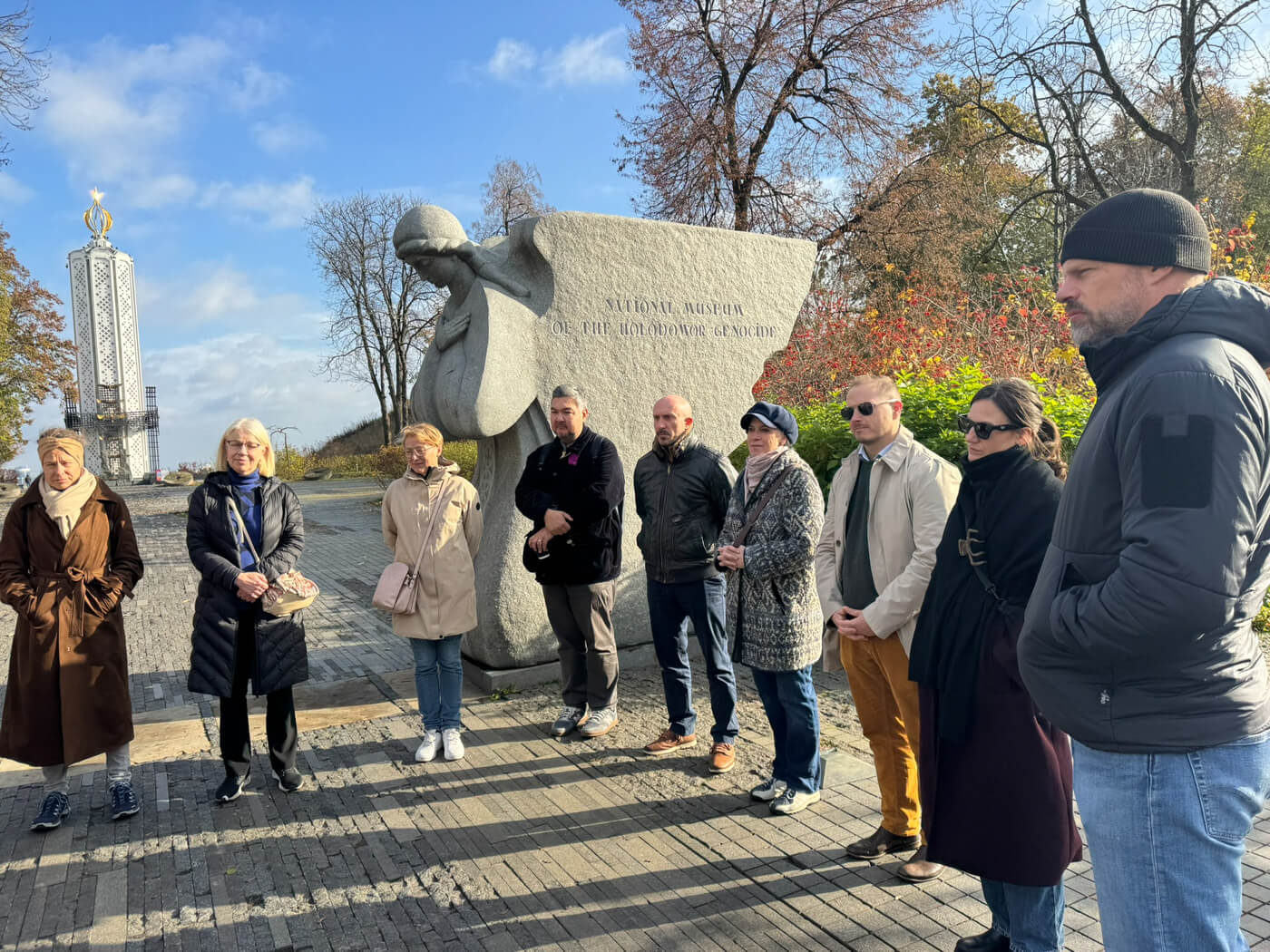
The event was attended by Tarja Fernández, Ambassador Extraordinary and Plenipotentiary of Finland to Ukraine, along with her colleagues, as well as staff members from the embassies of Canada, Denmark, and Switzerland, and international organizations: the European Union Advisory Mission Ukraine, the United Nations, and the Office of the United Nations High Commissioner for Refugees (UNHCR).
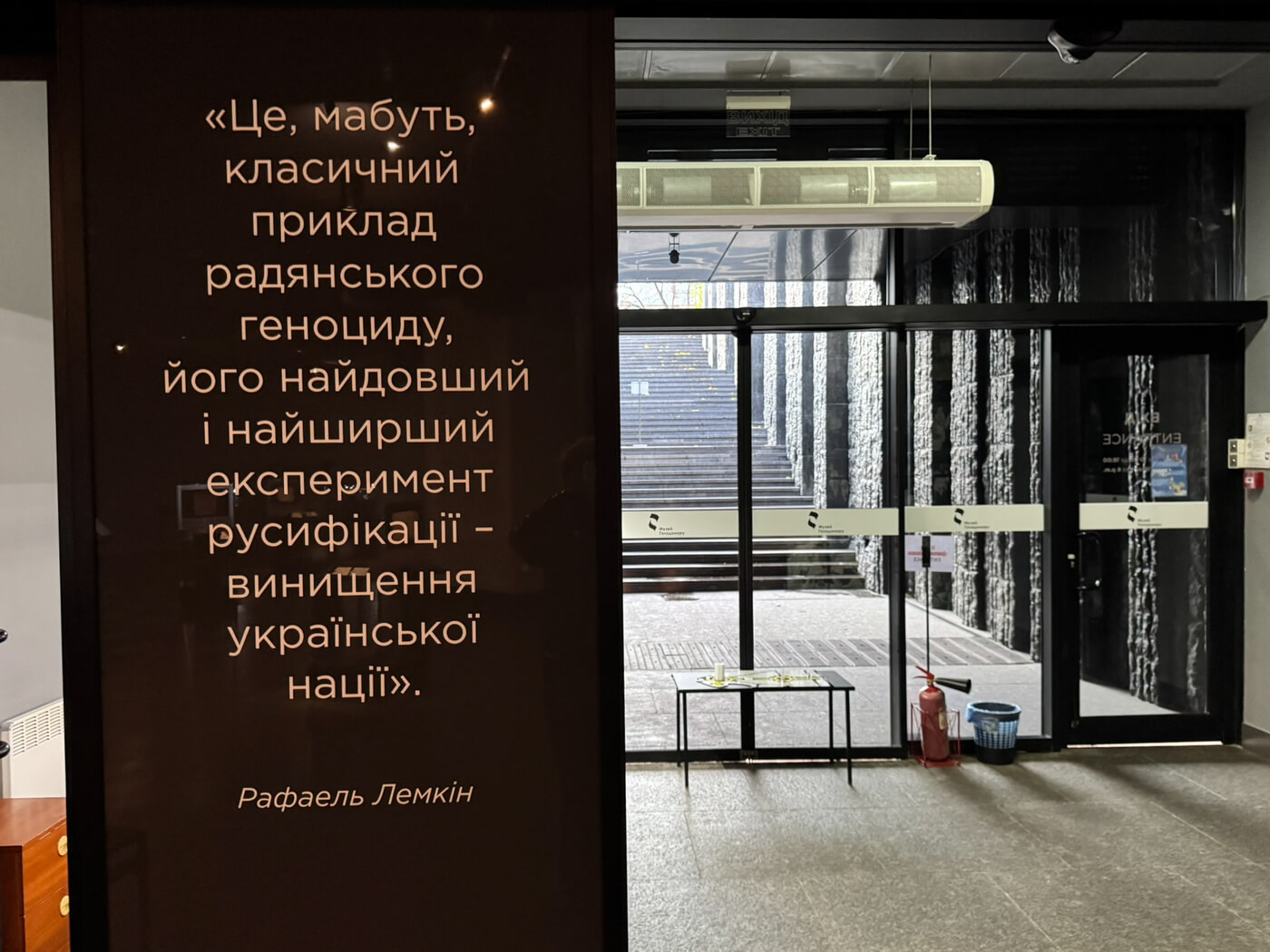
During the tour, the diplomats learned about the Holodomor of 1932–33, a genocide that claimed millions of lives and remains one of the most tragic chapters in Ukrainian history. The visitors also explored the causes, scale, and consequences of the famines of 1921–22 and 1946–47 for Ukrainian society. Particular attention was paid not only to the tragedy of the mass artificial famine but also to the broader context of Soviet policies aimed at destroying Ukrainian national identity: repression, persecution of the educated class, the destruction of cultural and spiritual traditions, and restrictions on the use of the Ukrainian language and on religious life. Personal stories, museum exhibits, and documentary evidence helped the visitors grasp the scale of the crime and its lasting impact on the Ukrainian nation.
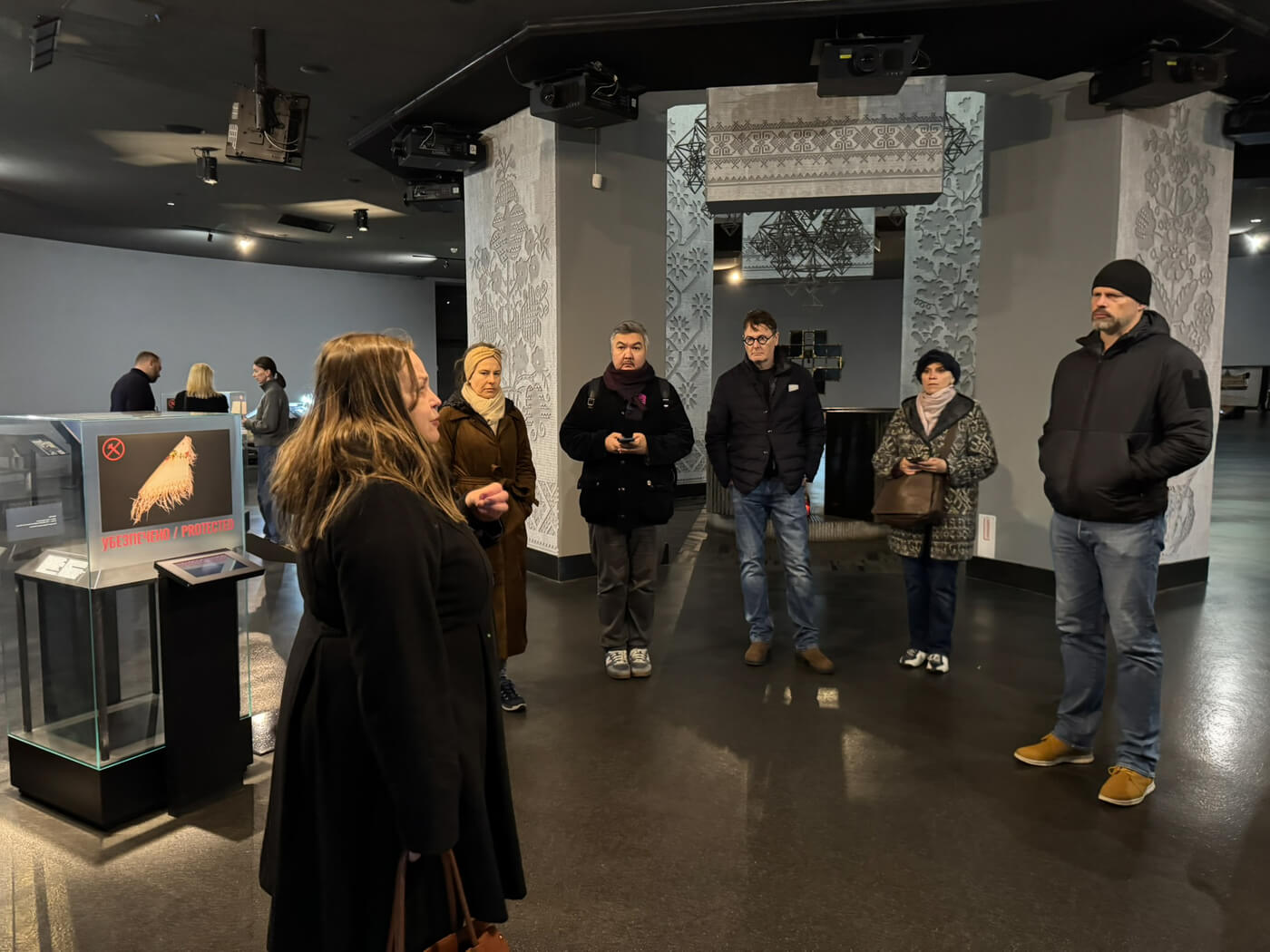
The tour was led by Dariia Chudinova, a well-known Ukrainian lecturer and psychologist who has been researching and raising awareness about the Holodomor since 2015. Her narrative helped the diplomats reflect on the profound psychological and social consequences of the tragedy Ukrainians endured.
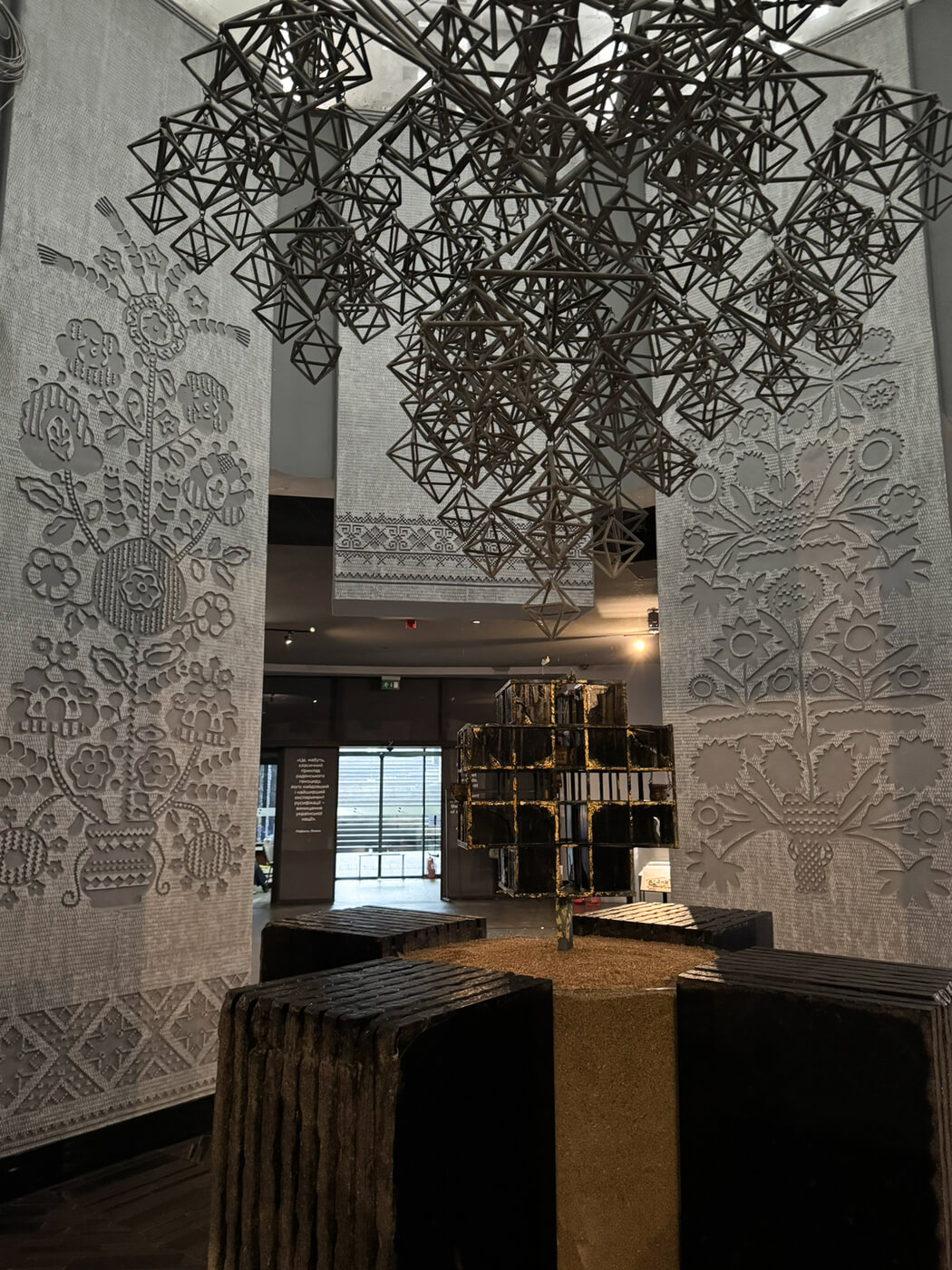
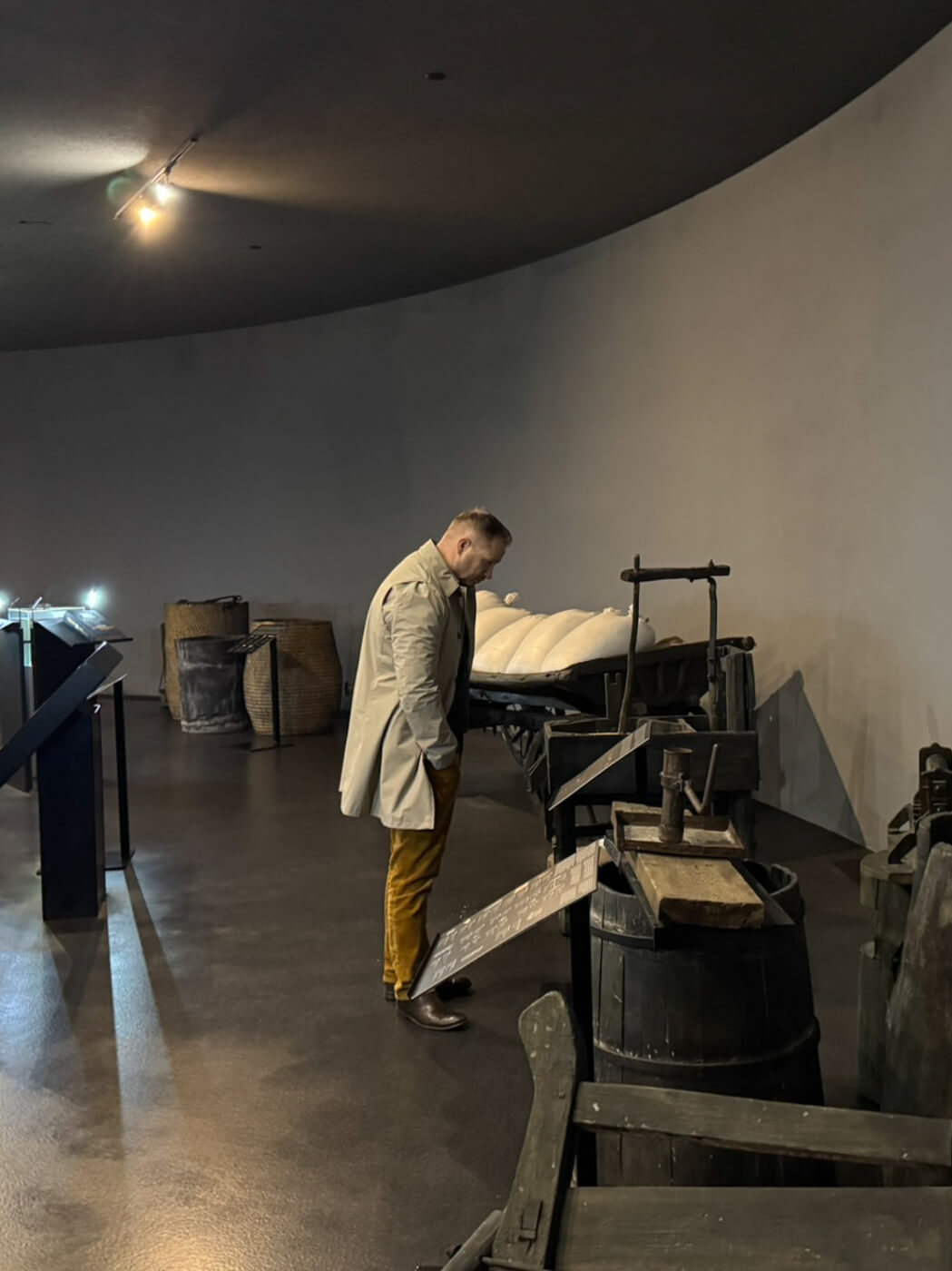
At the same time, the visit also gave the diplomats an opportunity to trace the connections between Ukraine’s history and its present. Awareness of the crimes of the totalitarian regime, the methods it used to suppress Ukrainian identity, and russia’s long-standing policy towards Ukraine sheds light on the origins of the genocidal war russia is now waging against the country.
For the diplomats, the tour was an introduction to both a tragic chapter in Ukrainian history and a history of resilience, dignity, and the pursuit of freedom. Despite everything they have endured, Ukrainians have preserved their identity, their culture, and their commitment to democratic values.
Through events such as this, the Media Center Directorate helps members of the international community get to know Ukraine better. Understanding its history is crucial to comprehending the struggles Ukrainians face today and to supporting their aspirations for freedom.