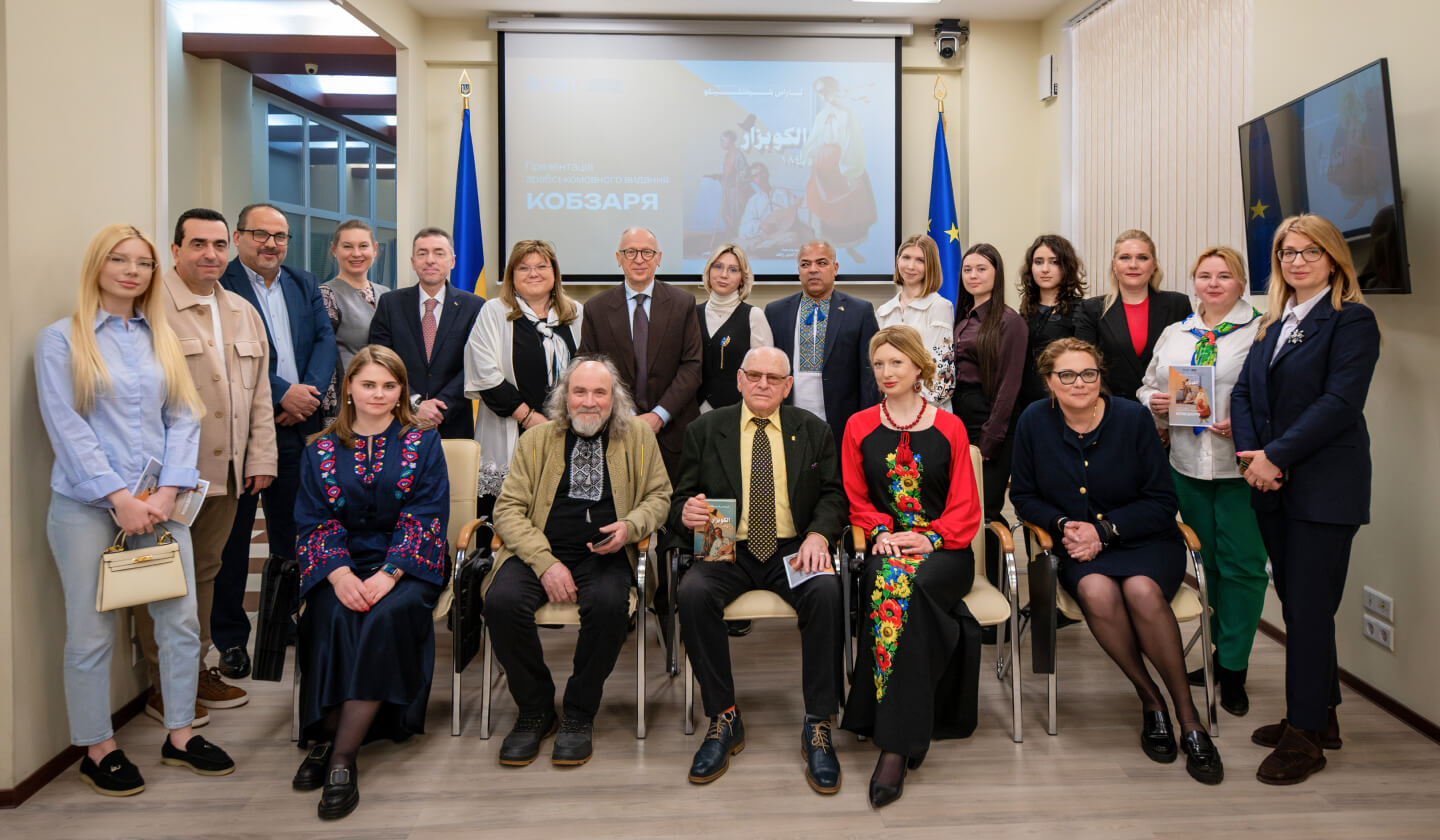
On Tuesday, 10 March 2026, on the occasion of the Shevchenko Days, the Media Centre hosted a presentation of the Arabic version of Kobzar, organized by the Hennadii Udovenko Diplomatic Academy of Ukraine at the Ministry of Foreign Affairs jointly with the State Enterprise ‘Directorate-General for Services to Foreign Missions’.
Ukrainian and foreign diplomats, cultural experts, and young people gathered to participate in the landmark event, which opened the poetic world of Taras Shevchenko to the Arabic-speaking audience and deepened the cultural dialogue between Ukraine and the Middle East.
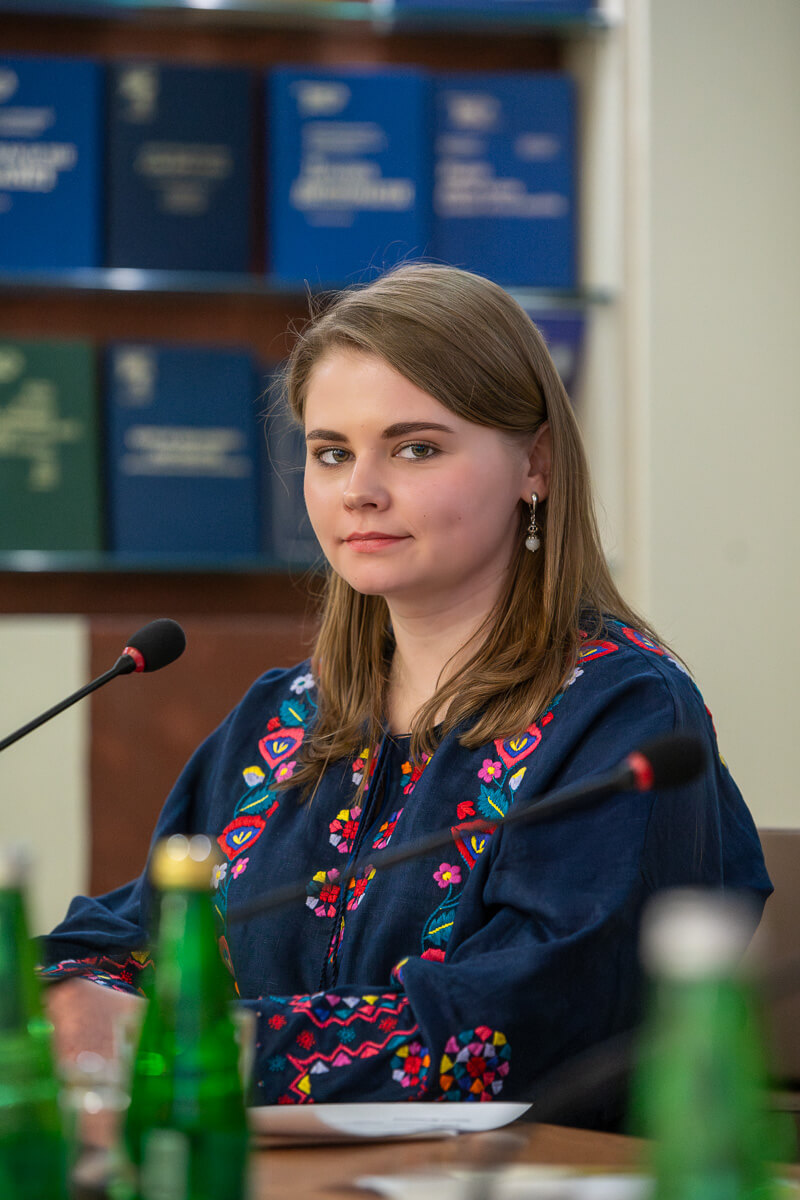
The moderator of the presentation, Assistant Director of the Diplomatic Academy Andriana Bila, opened the event with an introduction, highlighting the symbolism of the date and the importance of Shevchenko’s work for Ukrainians and cultural interaction between Ukraine and the Middle East.
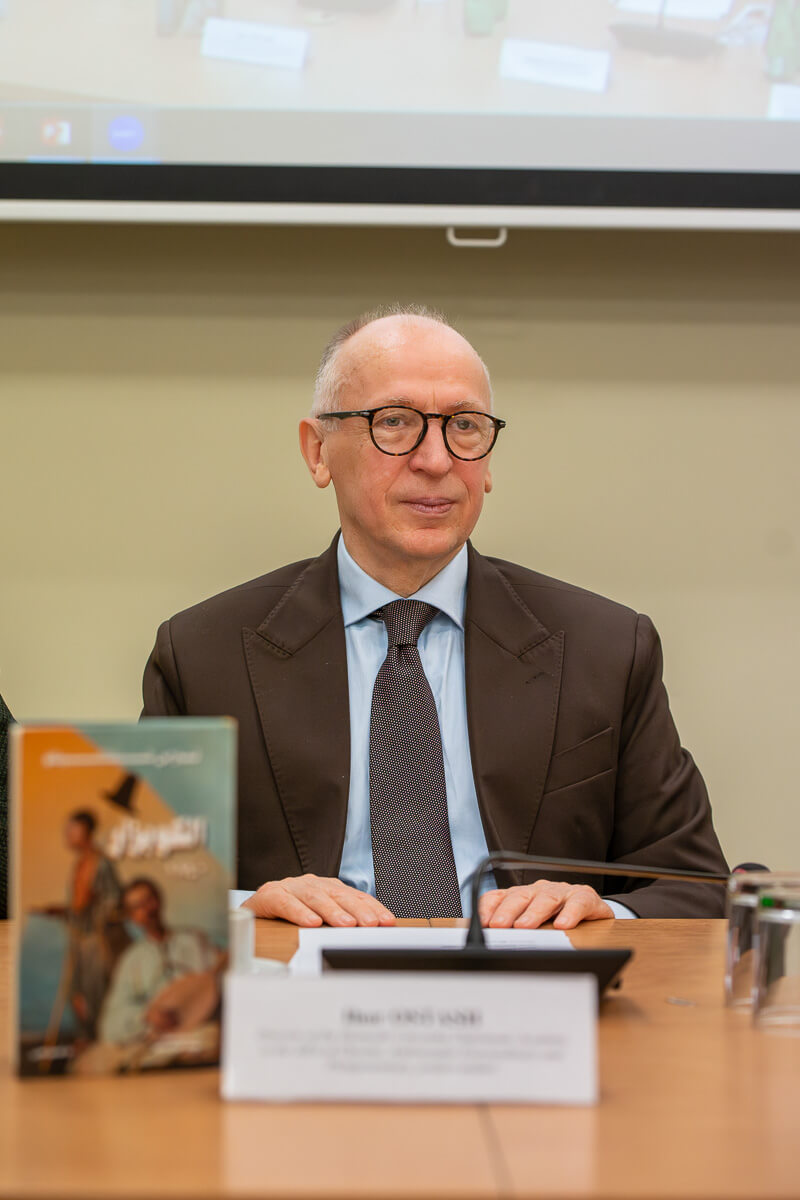
The project’s author, Ihor Ostash, director of the Hennadii Udovenko Diplomatic Academy of Ukraine at the Ministry of Foreign Affairs and Ambassador Extraordinary and Plenipotentiary, spoke about the importance of the Arabic-language translation of Taras Shevchenko’s Kobzar for the spread of Ukrainian culture in the Arab world. The Ambassador noted the relevance of Shevchenko’s words, ‘Fight, and you will win’, for modern Ukraine and stressed that the ideas of truth, glory, and freedom are an important part of Ukrainian national identity. The author of the project spoke about Ukrainian-Lebanese cultural ties: the story of Lebanese writer Michael Nuaime, who translated the Testament into Arabic, as well as the installation of a monument to Shevchenko in Beirut (sculpted by Pierre Karam), cultural support for Ukraine in Lebanon during the russian invasion, and translations of Ukrainian literature into Arabic by Imadeddin Raef. Ihor Ostash emphasised that the publication of Kobzar in Lebanon will be an important step for the further spread of Ukrainian literature and cultural diplomacy in the Middle East:
‘It had the great honour of writing the foreword to this book. The book was released by a Lebanese publishing house in Beirut. This very fact means the book will continue and live on in the Arab world. I’m sure that its print run will be extended because there is a great demand for Taras Shevchenko’s Kobzar.’
As part of the presentation, the guests watched fragments of the documentary Ukrainian Lebanon (written by Ihor Ostash and directed by Stanislav Lytvynov), which explores the connection between the prominent Lebanese writer Michael Nouaime and Ukraine, the influence of Ukrainian nature and culture on his work, and how he popularized Taras Shevchenko’s legacy by translating his Testament into Arabic.
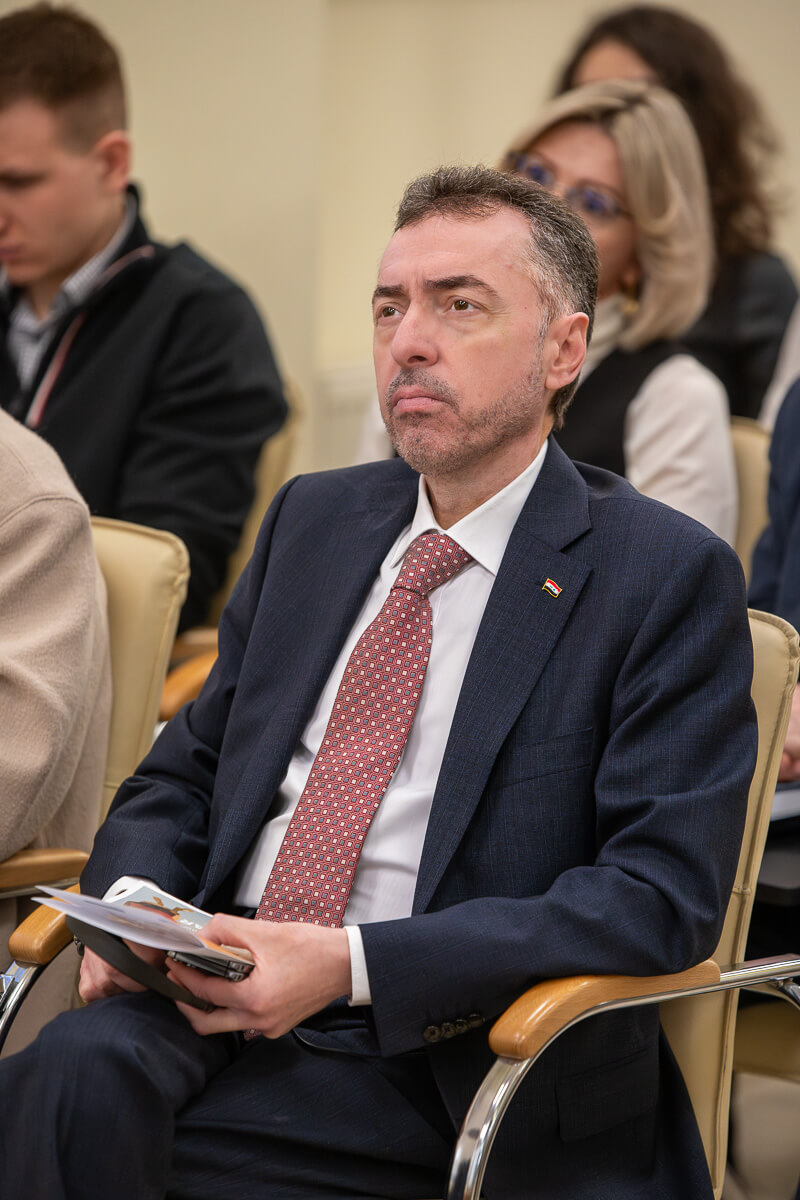
Lebanese writer and translator Imadeddin Raef spoke about his many years of work on creating an Arabic translation of Taras Shevchenko’s Kobzar, noting that he became interested in Shevchenko’s work in 2014 during the 200th anniversary of the poet’s birth, after which he began translating his poems and studying Ukrainian history and literature to better understand the context of his work:
‘In my translation, I strived to allow Arab readers to experience the atmosphere that surrounded the poet’s life and understand his work in the context of the life of his people and country.’
Imadeddin Raef also expressed hope that this translation would be an important step in the cultural dialogue between the Arab world and Ukraine.
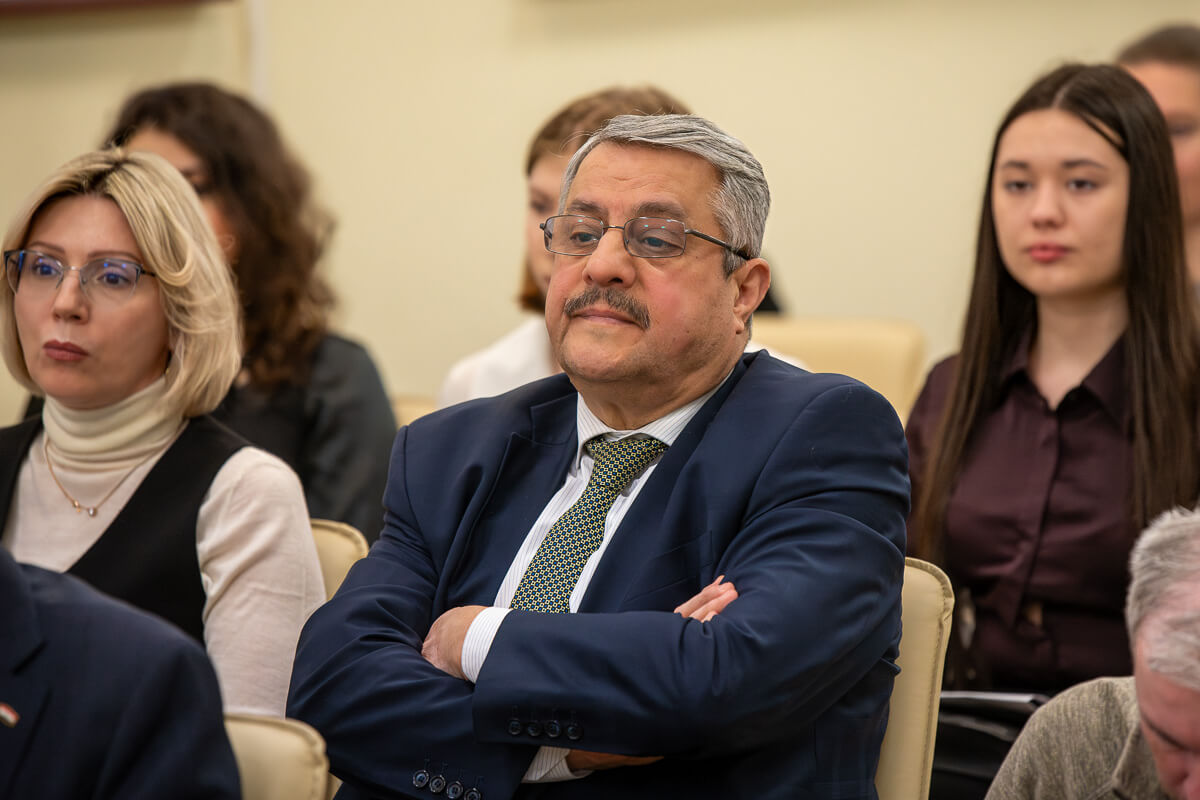
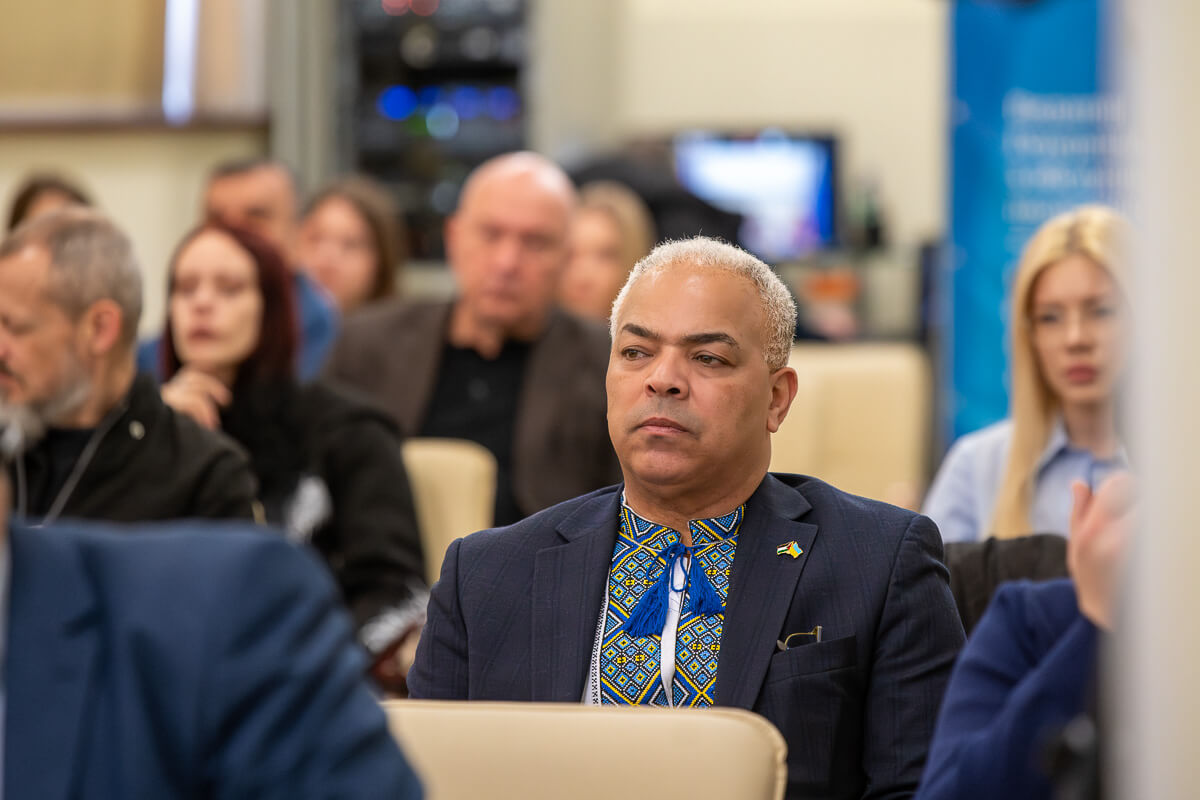
Welcoming remarks on the occasion of the publication’s presentation were also made by Nataliia Bodak, head of the Lebanese Cultural and Information Centre; Iryna Vysota, head of the Ukrainian Community in Lebanon and Zoukan Jaramani, head of the Club of Ukraine’s Universities Graduates in Lebanon; Mykola Zhulynskyi, Ukrainian literary critic, academician of the National Academy of Sciences of Ukraine, director of the Taras Shevchenko Institute of Literature of the NAS of Ukraine; Nataliia Stefanova, vice-rector for scientific and pedagogical work (international cooperation and public relations) of the Kyiv National Linguistic University; Abbas Aziz Ali Said, a translator of the Iraqi Translators’ Association and a member of the General Union for the Literaries and Writers in Iraq.
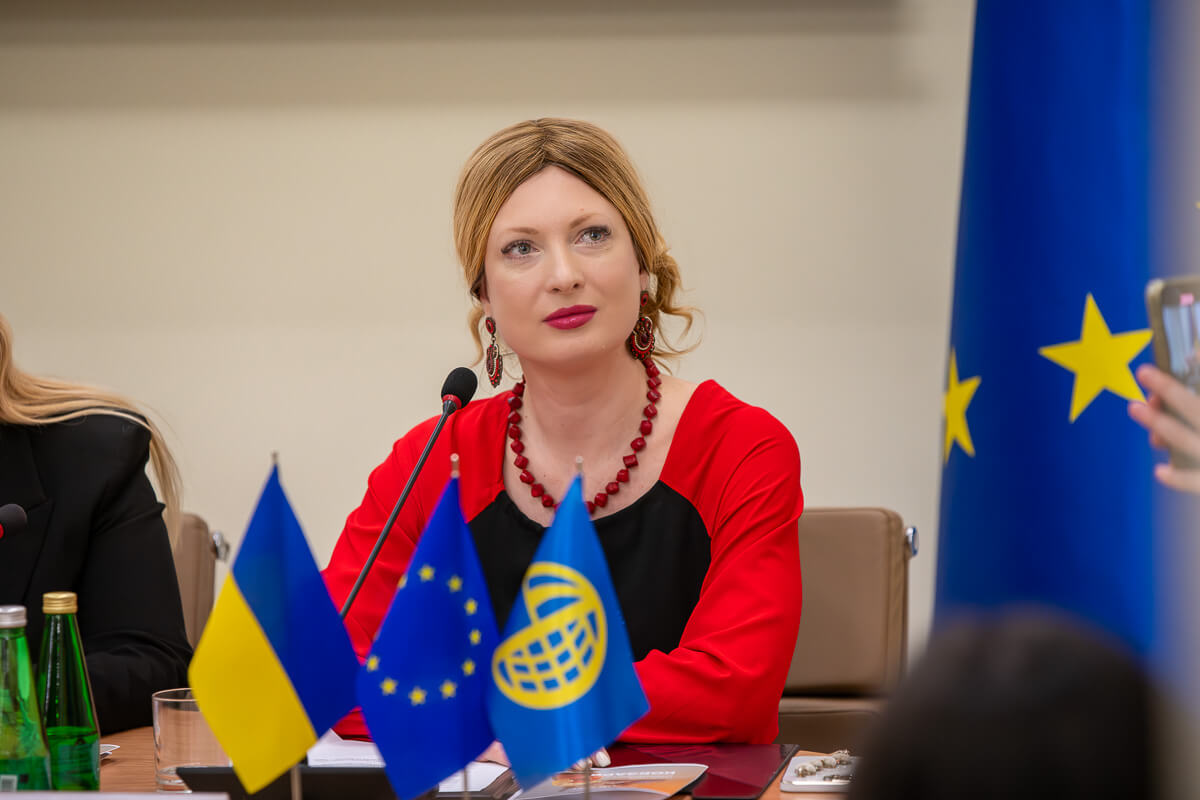
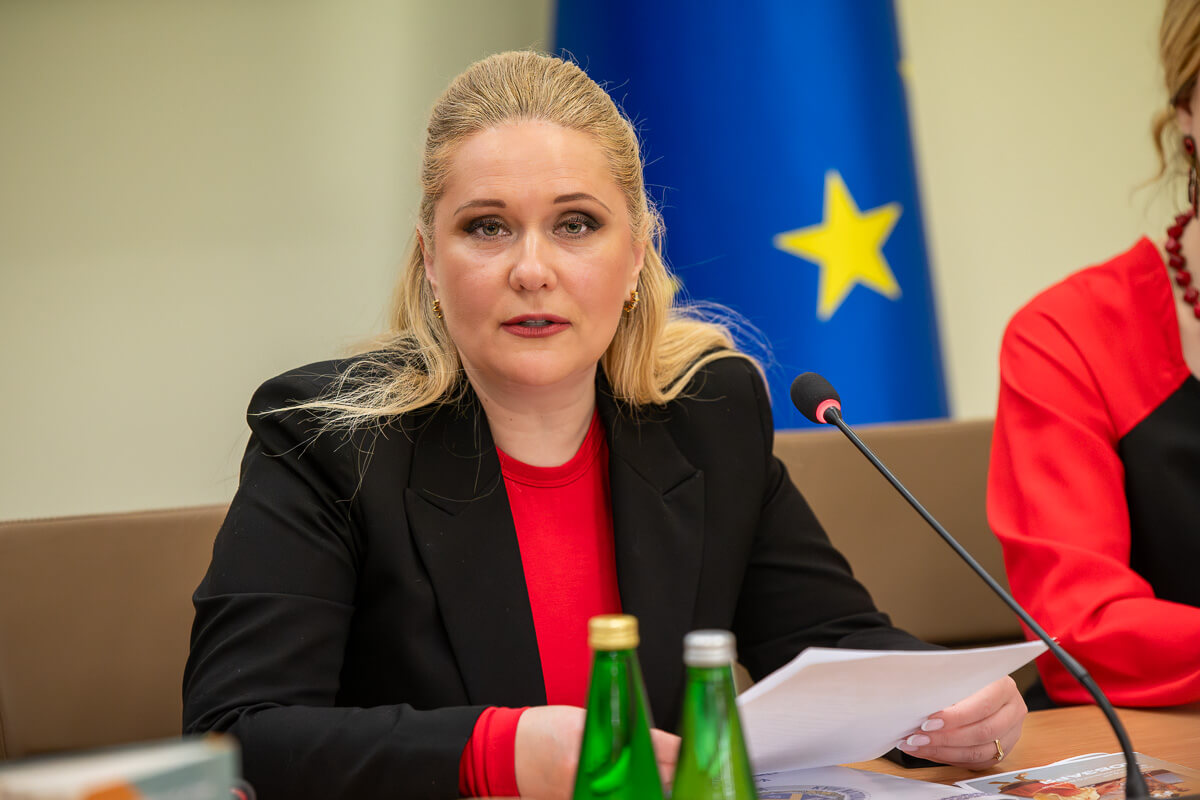
Mykola Zhulynskyi spoke about the significance of Taras Shevchenko’s creative legacy, preserved in the archives of the institute that holds the largest collection of his original writings (a complete 12-volume collection of the poet’s works was prepared on its basis). The literary scholar highlighted Shevchenko’s versatility as a poet and artist, and also emphasized the historical and cultural ties between Ukraine and the Arab world, including Shevchenko’s interest in biblical history and the Middle East, the celebration of his anniversaries in Beirut, and the role of individuals such as Michael Nouaime and Ahatanhel Krymskyi in developing this dialogue. Mykola Zhulynskyi underscored the importance of cultural interaction between the two peoples:
‘There’s nothing that can bring cultures and peoples closer than a national culture that is relatable to another national culture.’
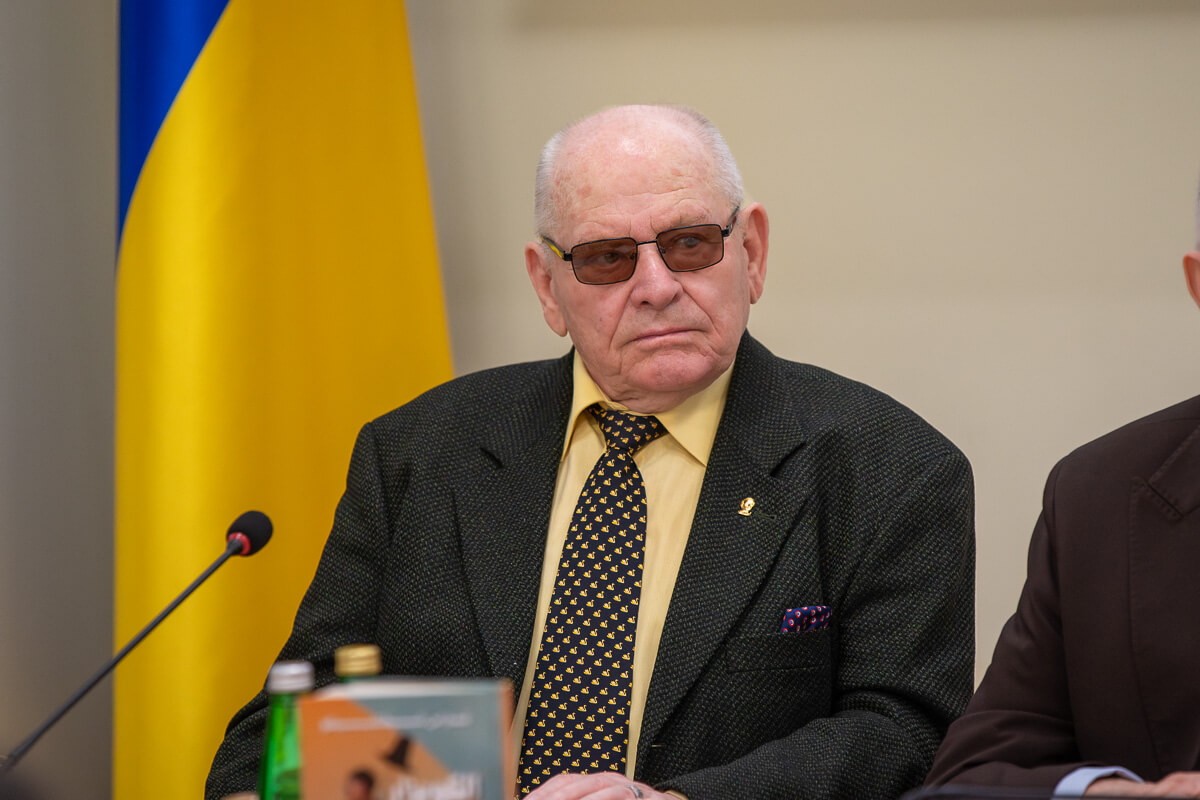
Abbas Aziz Ali Said spoke about his admiration for Taras Shevchenko, whose work he discovered during a 2018 visit to Kyiv. Having taken an interest, the translator began researching the life and work of the poet, translating his works, and even wrote a poem dedicated to Shevchenko.
‘He was a spiritual individual, who only ever thought about how to free his people’, — emphasized Abbas Aziz Ali Said.
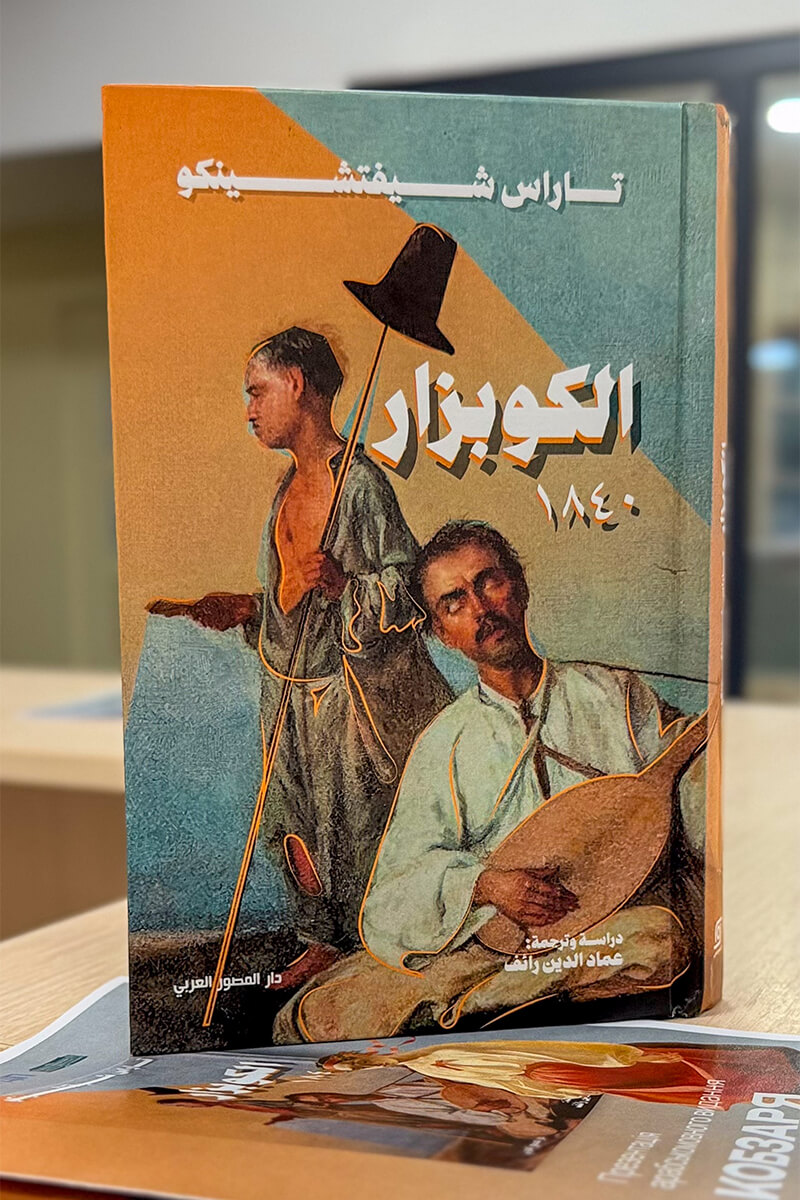
As part of the presentation, Arabic students of the Kyiv National Linguistic University recited excerpts from Taras Shevchenko’s poems in Arabic.
At the end of the presentation, the project’s author, Ihor Ostash, thanked everyone who contributed to the creation and presentation of Kobzar in Arabic.
You can watch the recording of the event by following the link: https://www.youtube.com/watch?v=oQWt9JOHGvw.