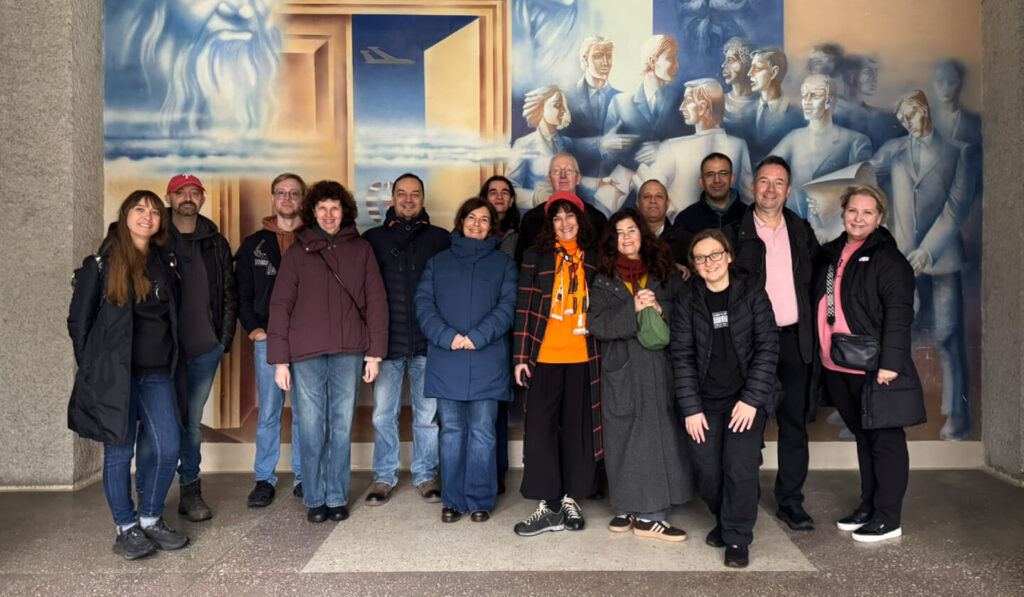
On Saturday, 7 November 2026, the Media Center team took foreign diplomats on a bus tour titled Kyiv’s History across Centuries, allowing them to discover the multifaceted history of the Ukrainian capital, take in its unique atmosphere, and experience the cultural heritage cultivated over many generations.
The journey across the capital brought together Ambassador Extraordinary and Plenipotentiary of Ireland, Orla Mc Breen, with her colleague and representatives of the Embassies of Finland and Romania, as well as international organizations: the European Union Advisory Mission in Ukraine and the United Nations Office on Drugs and Crime.
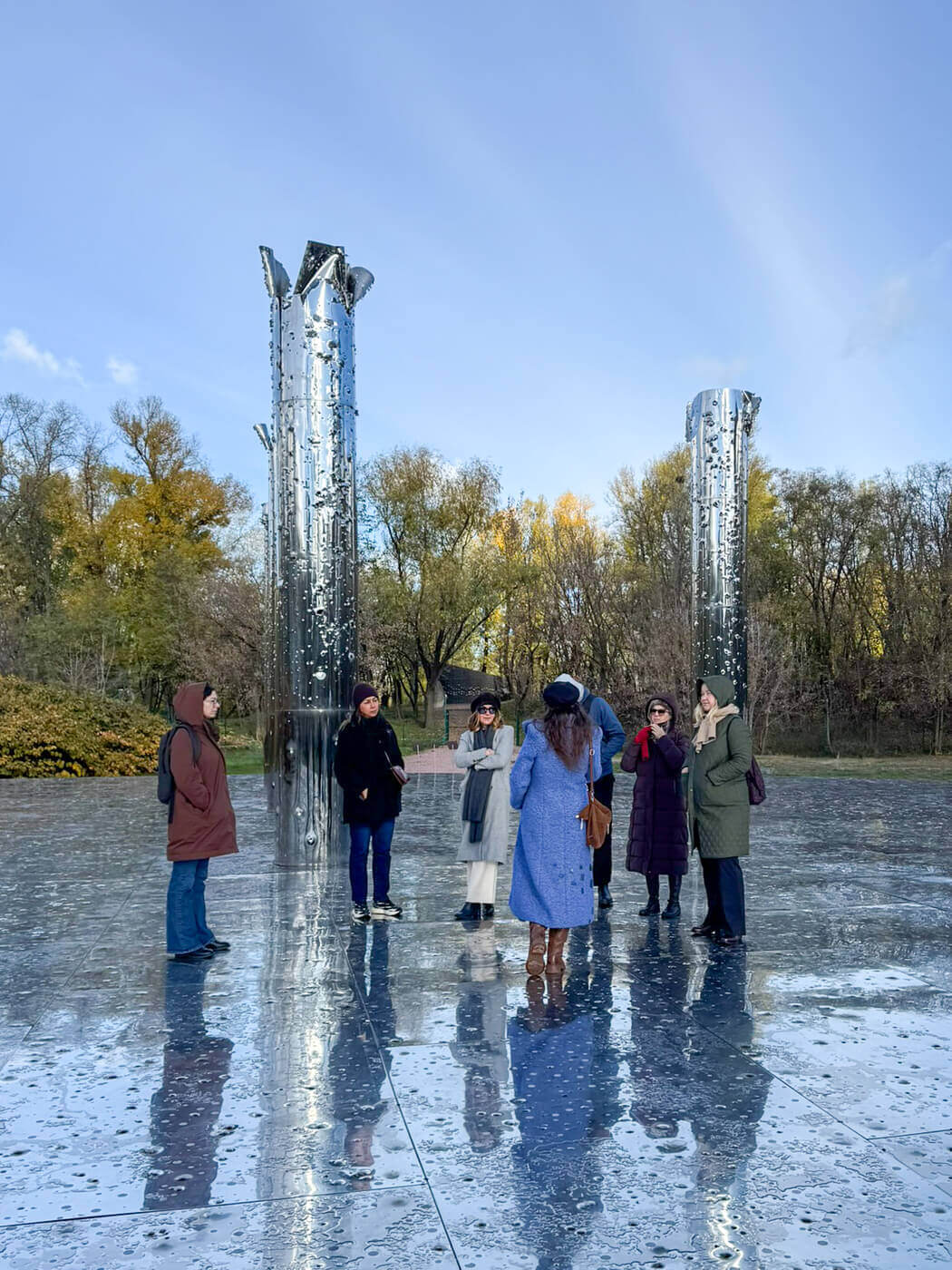
The tour itinerary linked chapters from different eras of Ukrainian history: from tragic accounts of the past to unparalleled examples of sacred art and the mysterious world of ancient pharmaceutical traditions.
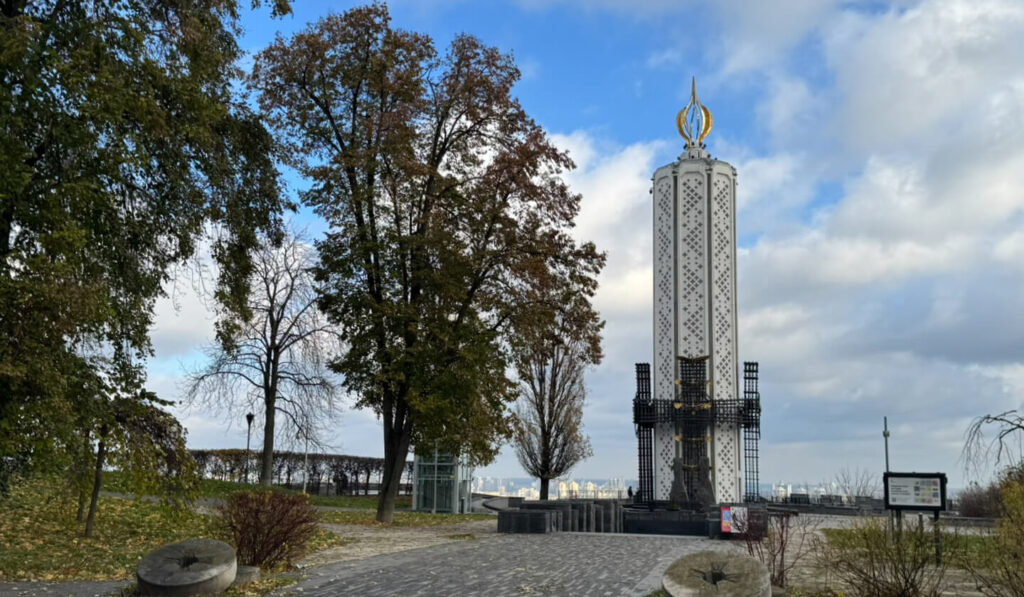
The first important stop was the National Historical and Memorial Reserve Babyn Yar. On this site, the land itself holds the memory of one of the most horrible tragedies of World War II. From 1941 to 1943, it witnessed massive sprees of shootings of Kyiv’s Jewish population, as well as other ethnic and social groups. The Babyn Yar became one of the most infamous symbols of the Holocaust in Eastern Europe. Today it’s not just a place of mourning but also a space for preserving historical memory, reflecting on human dignity, and reminding of the responsibility to future generations. Visiting the Reserve allowed foreign guests to get a better understanding of the tragic pages of Kyiv’s history and honour the memory of the innocent victims.
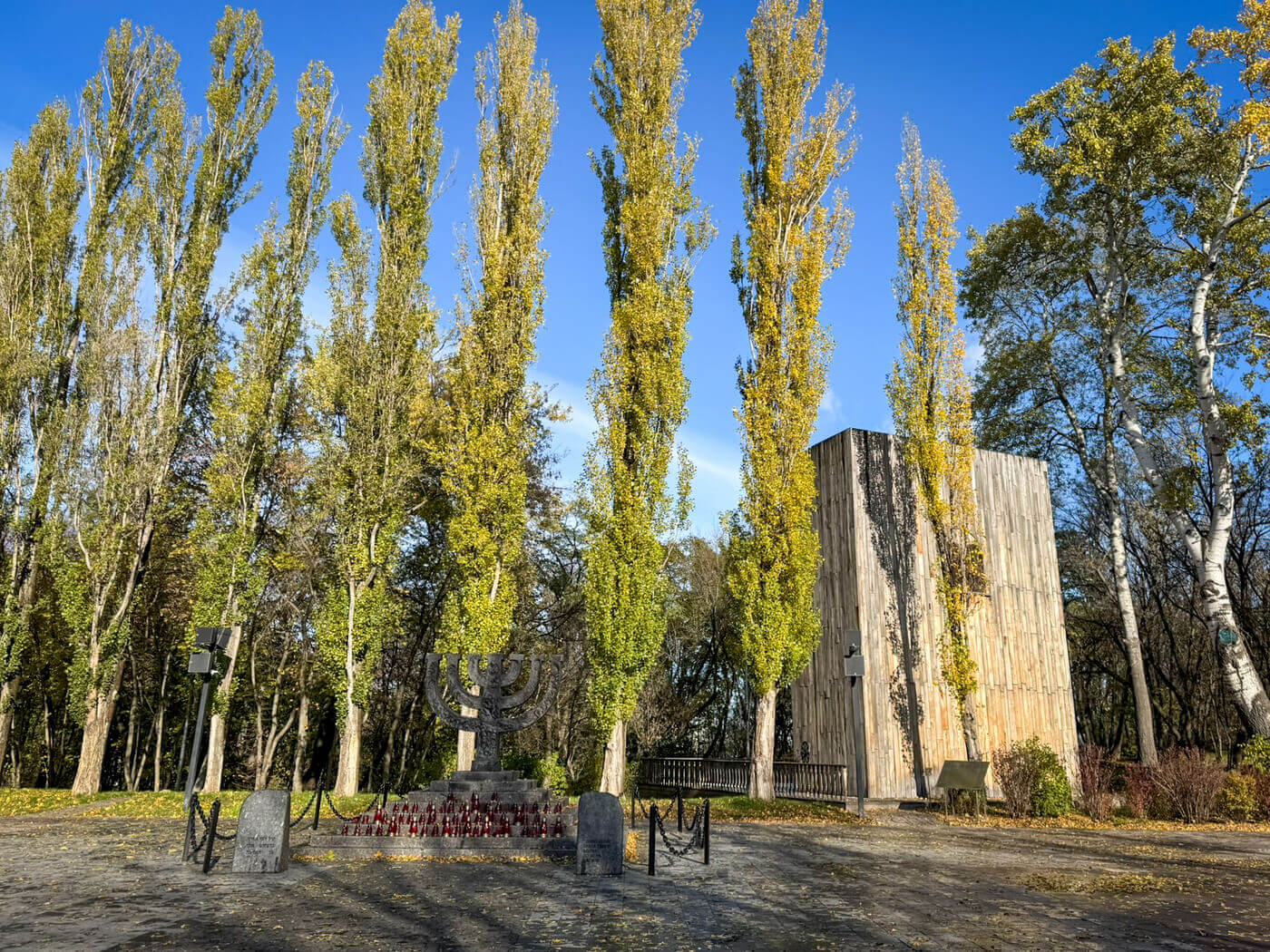
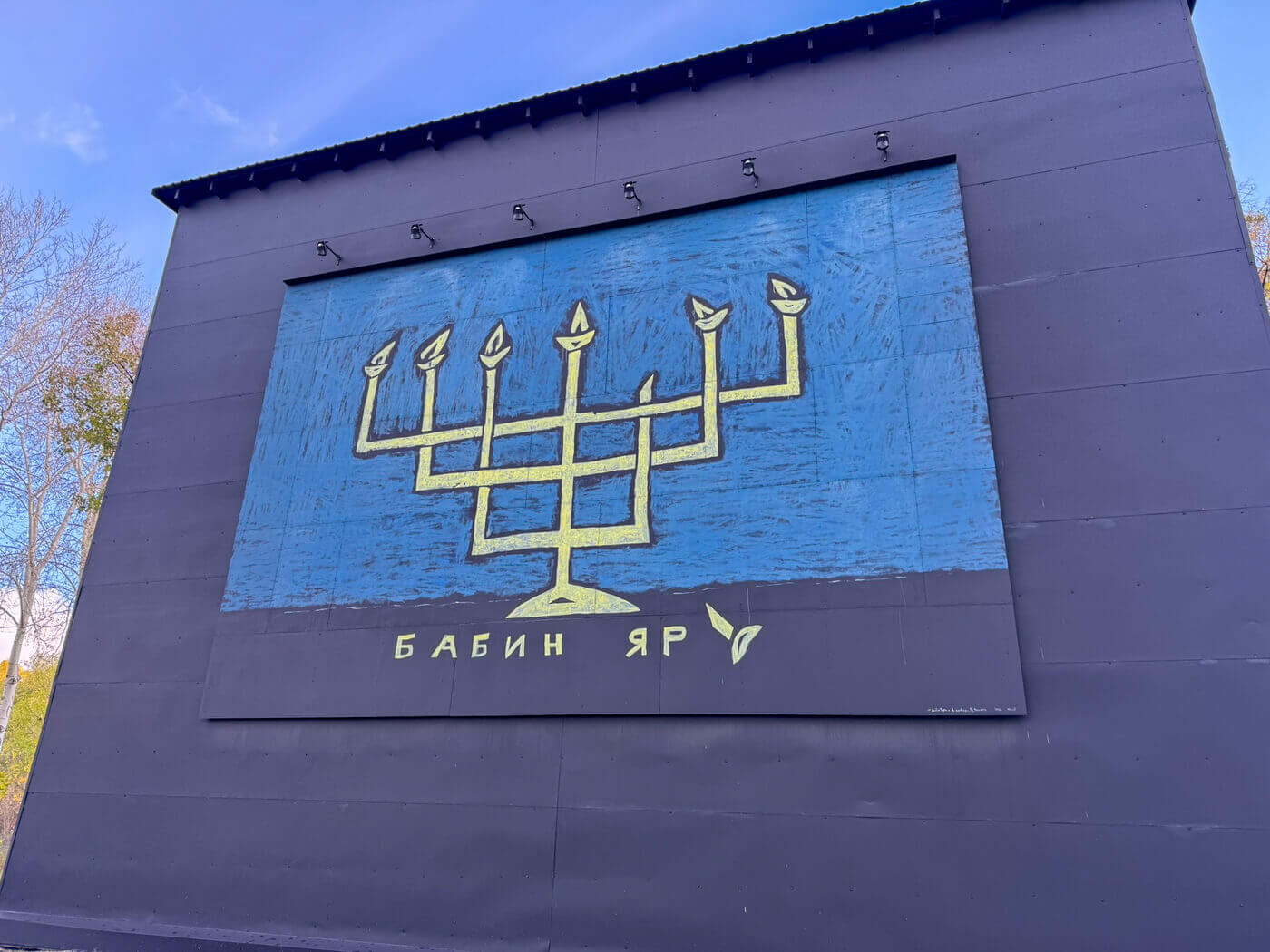
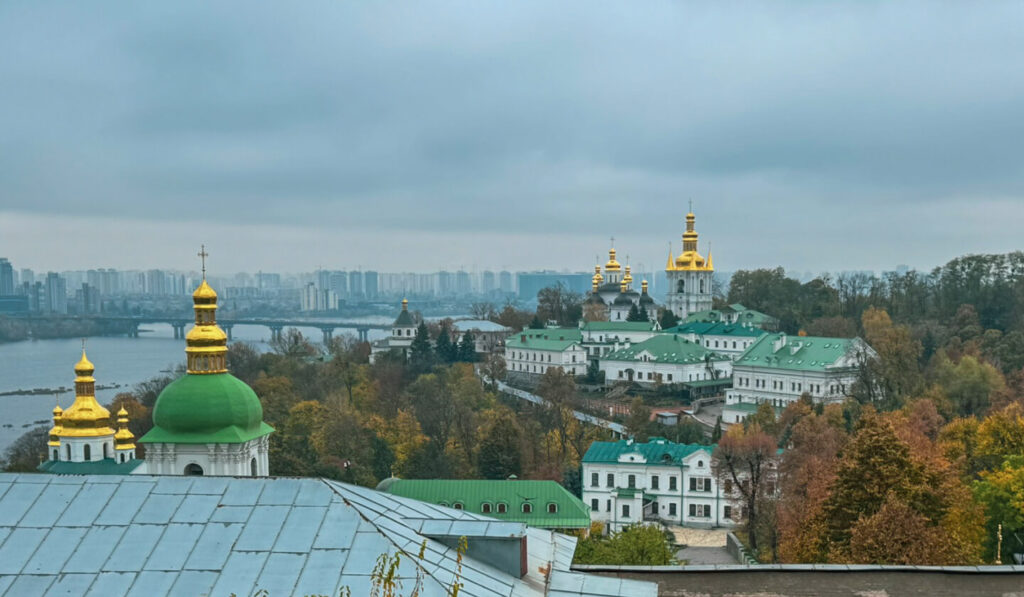
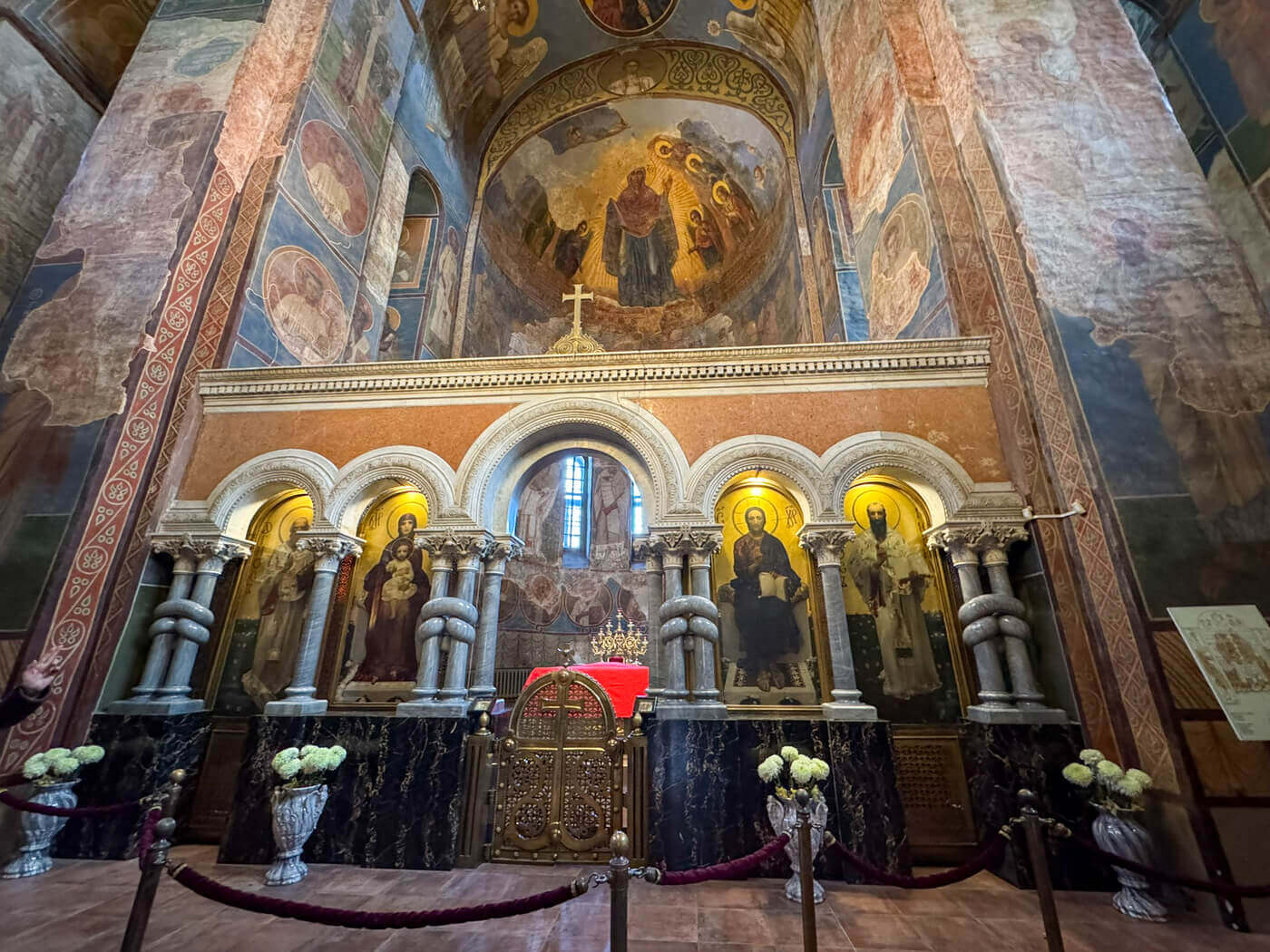
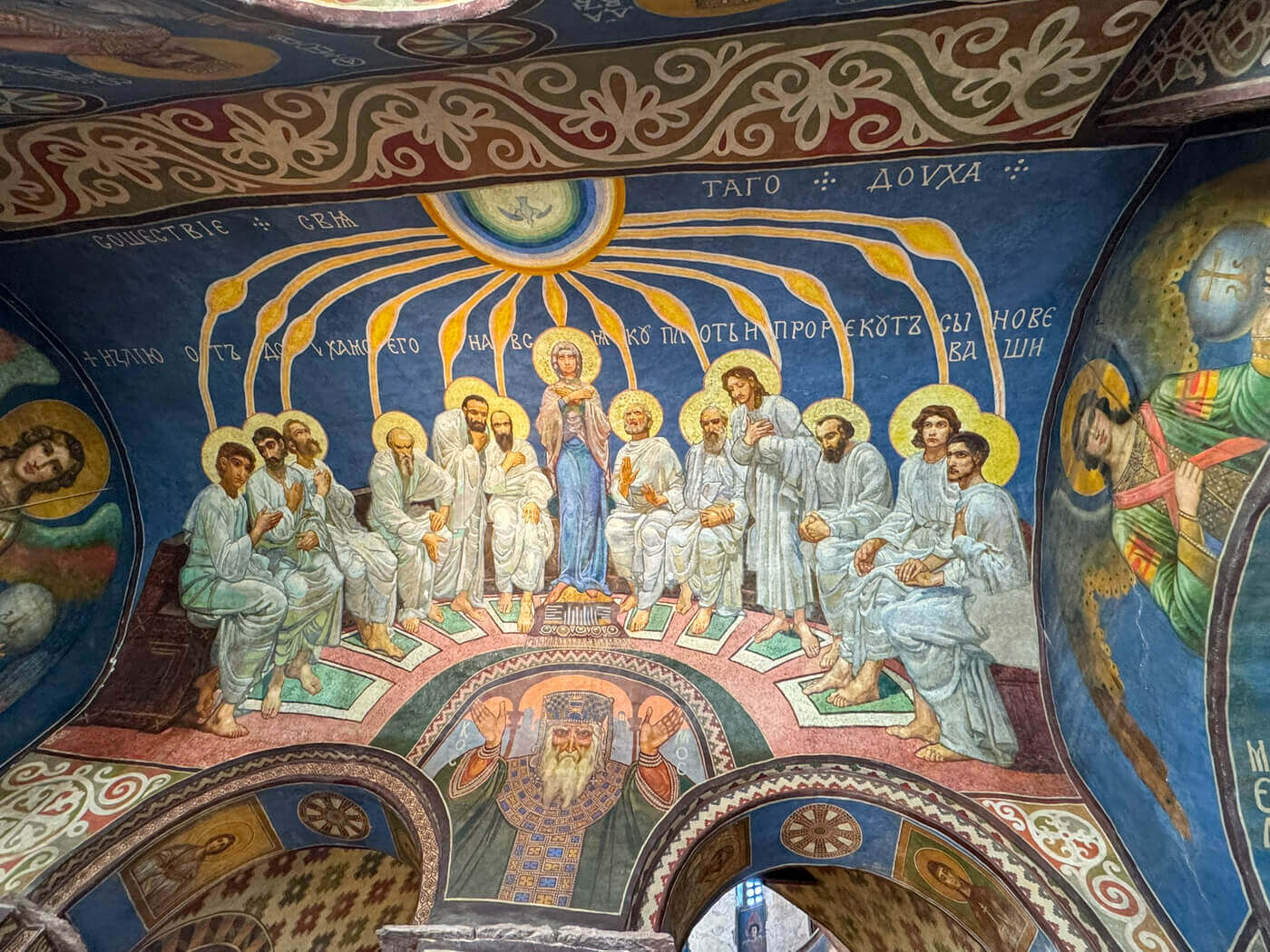
From the sorrowful pages of the past, the route led to one of the capital’s oldest architectural jewels: the St. Cyril’s Monastery. The temple was built during the era of the Kyiv Rus, around the middle of the 12th century, and it stands as a unique testament to the spiritual, cultural, and artistic life of Kyiv at that time. The church’s 12th-century frescoes, which have miraculously survived through the centuries, as well as its 19th-century murals, created with the involvement of outstanding artists, are of particular value. The church’s uniqueness also lies in its preservation of a significant portion of its medieval pictorial decoration, allowing modern visitors to glimpse the artistic world of ancient Rus.
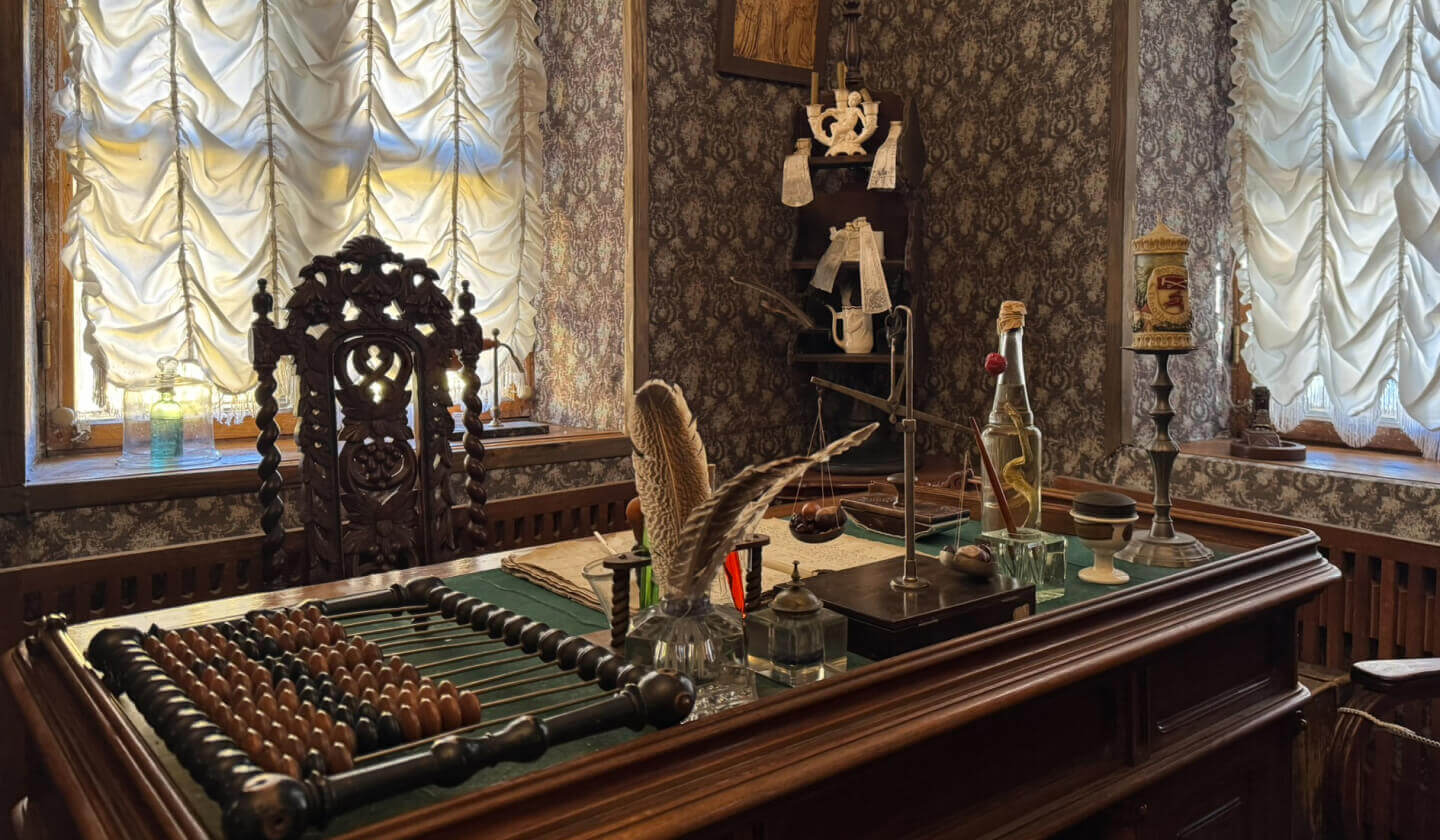
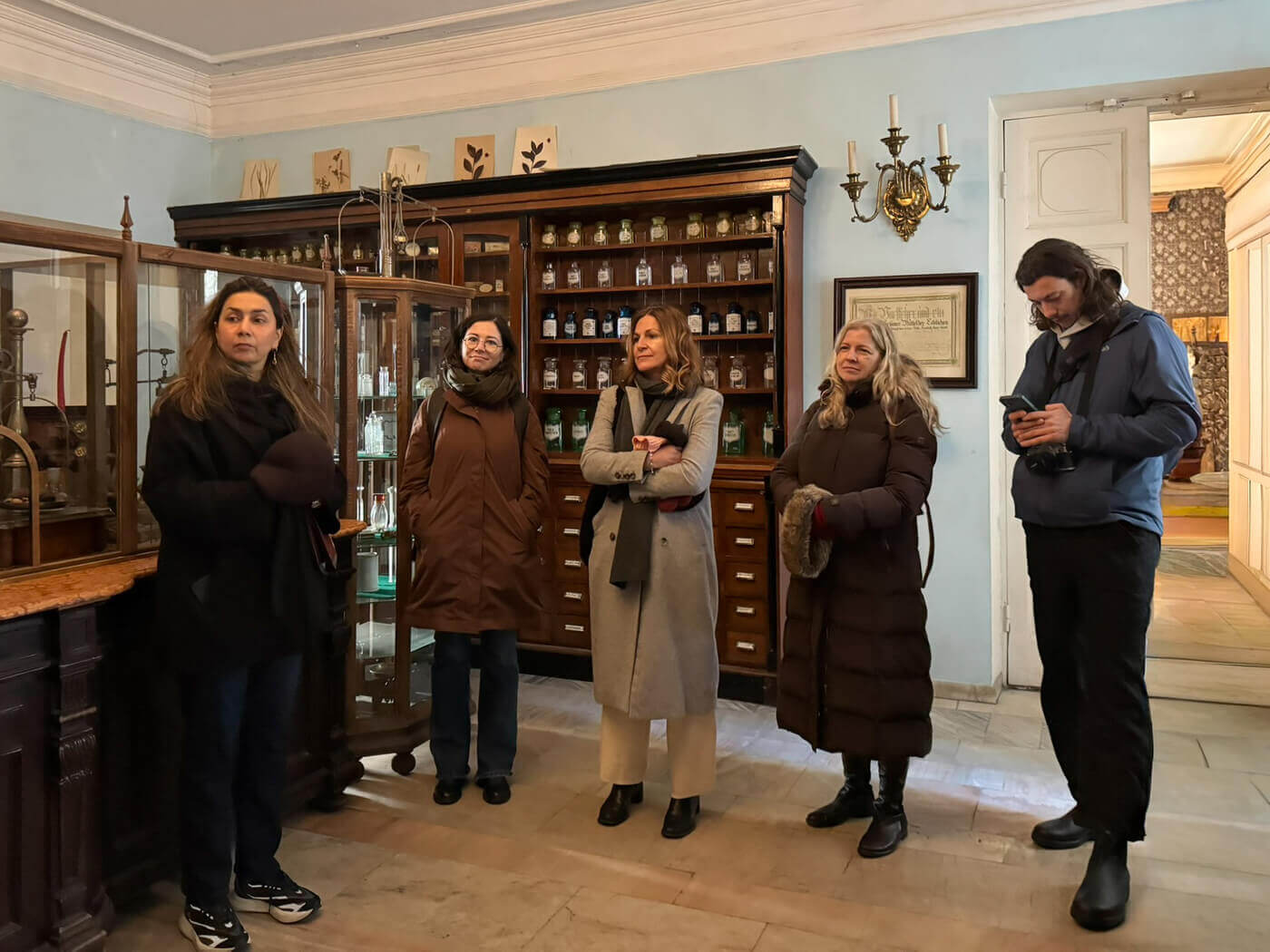
The next stop on the bus tour was the pharmacy museum. In this special place, the history of pharmacy comes to life amid antique furniture, apothecary tools, glass vessels, and numerous fascinating exhibits. Here, the tour participants immersed themselves in the world of ancient apothecaries, learned about the origins of the pharmaceutical industry in Kyiv, the traditions of medicine-making, and the unusual treatment methods of past centuries. The museum’s exhibition revealed many fascinating chapters in the history of medicine to visitors: from the preparation of healing tinctures and herbal mixtures to the use of natural ingredients in the medical practices of that time.
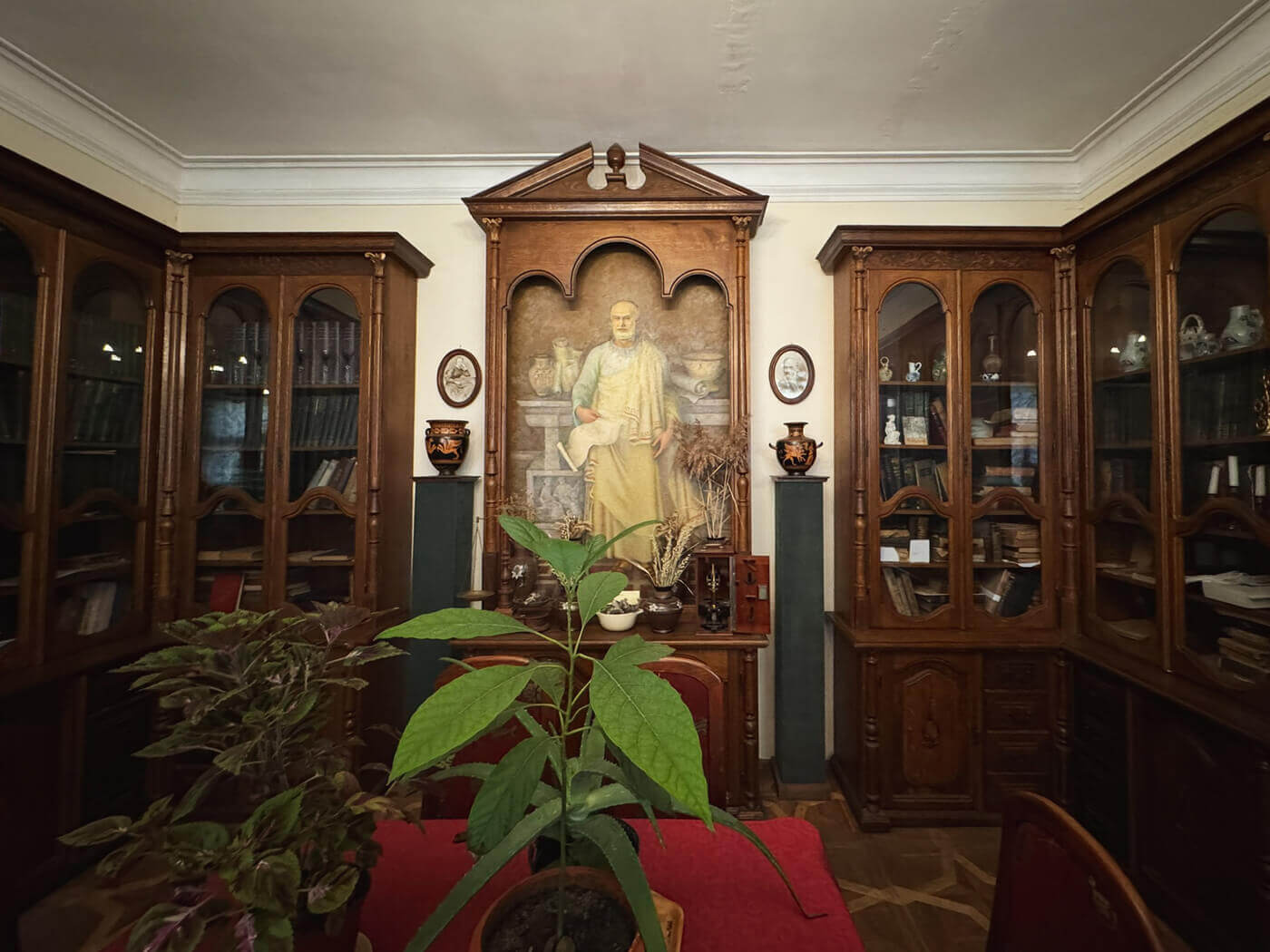
At the end of the tour, participants had the opportunity to relax in a cosy underground hall, where fragrant herbal teas awaited them. Over a cup of this aromatic beverage, the guests listened to a talk about the healing properties of plants, the traditions surrounding their use, and the role of herbal medicine in human history. This warm and relaxed atmosphere served as a wonderful conclusion to an eventful journey.
The tour titled Kyiv’s History across Centuries was not only a visit to the city’s prominent sites, but a true journey through time, where each location opened a distinct page of its multi-century history. After all, Kyiv is a city where memory coexists with modernity, and ancient temples preserve echoes of bygone eras, while streets and monuments tell stories that remain relevant.