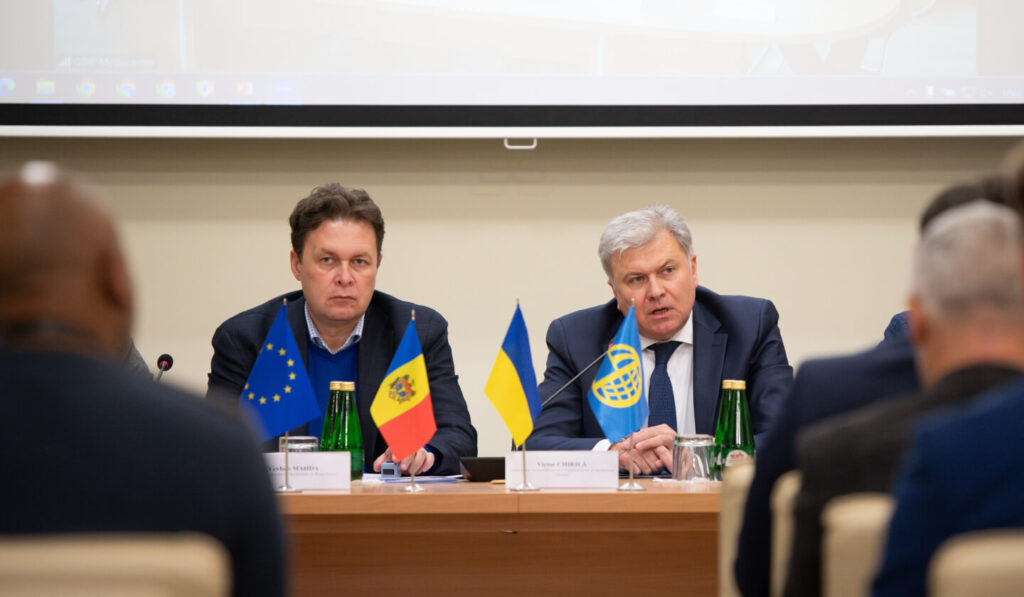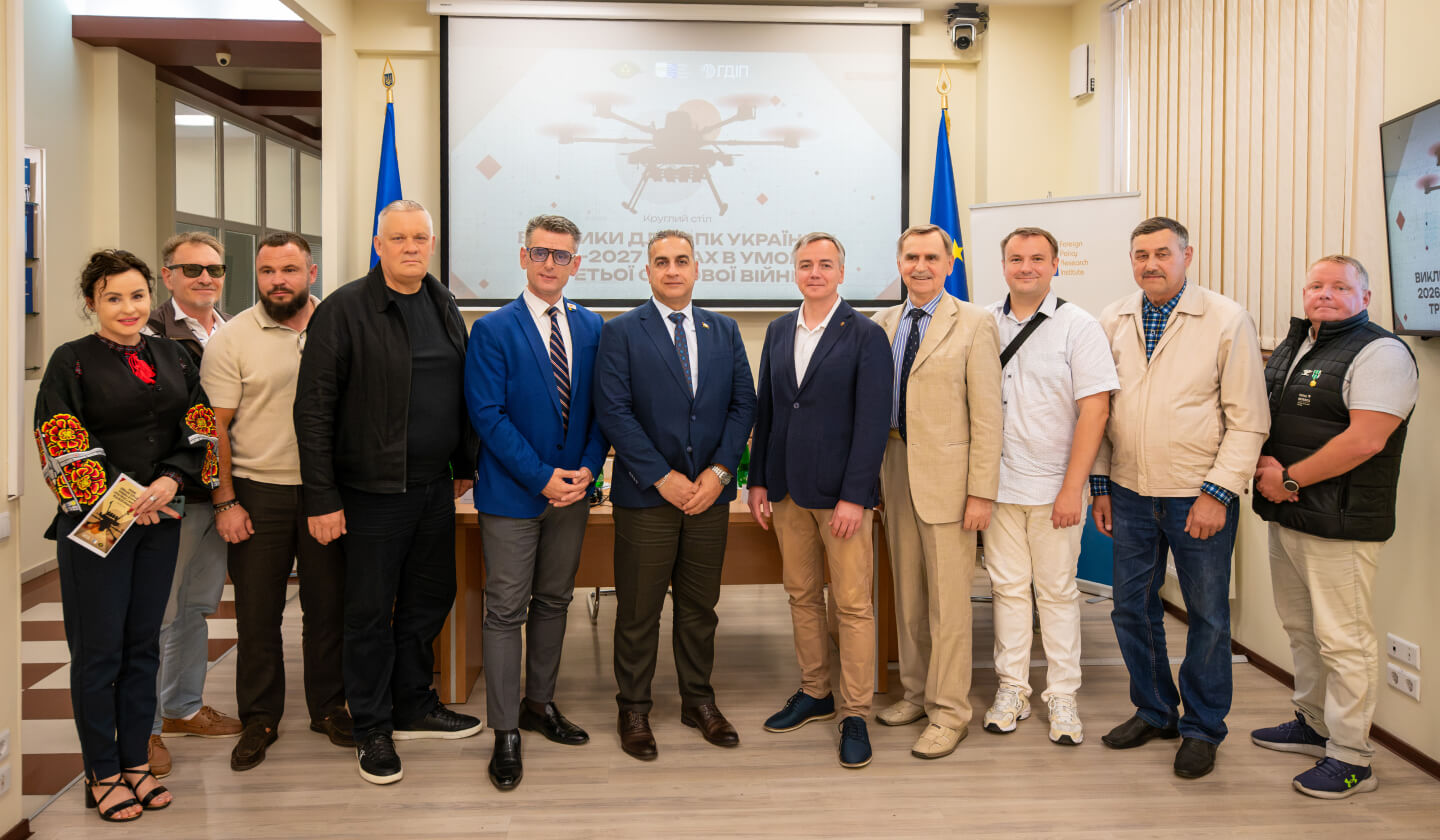
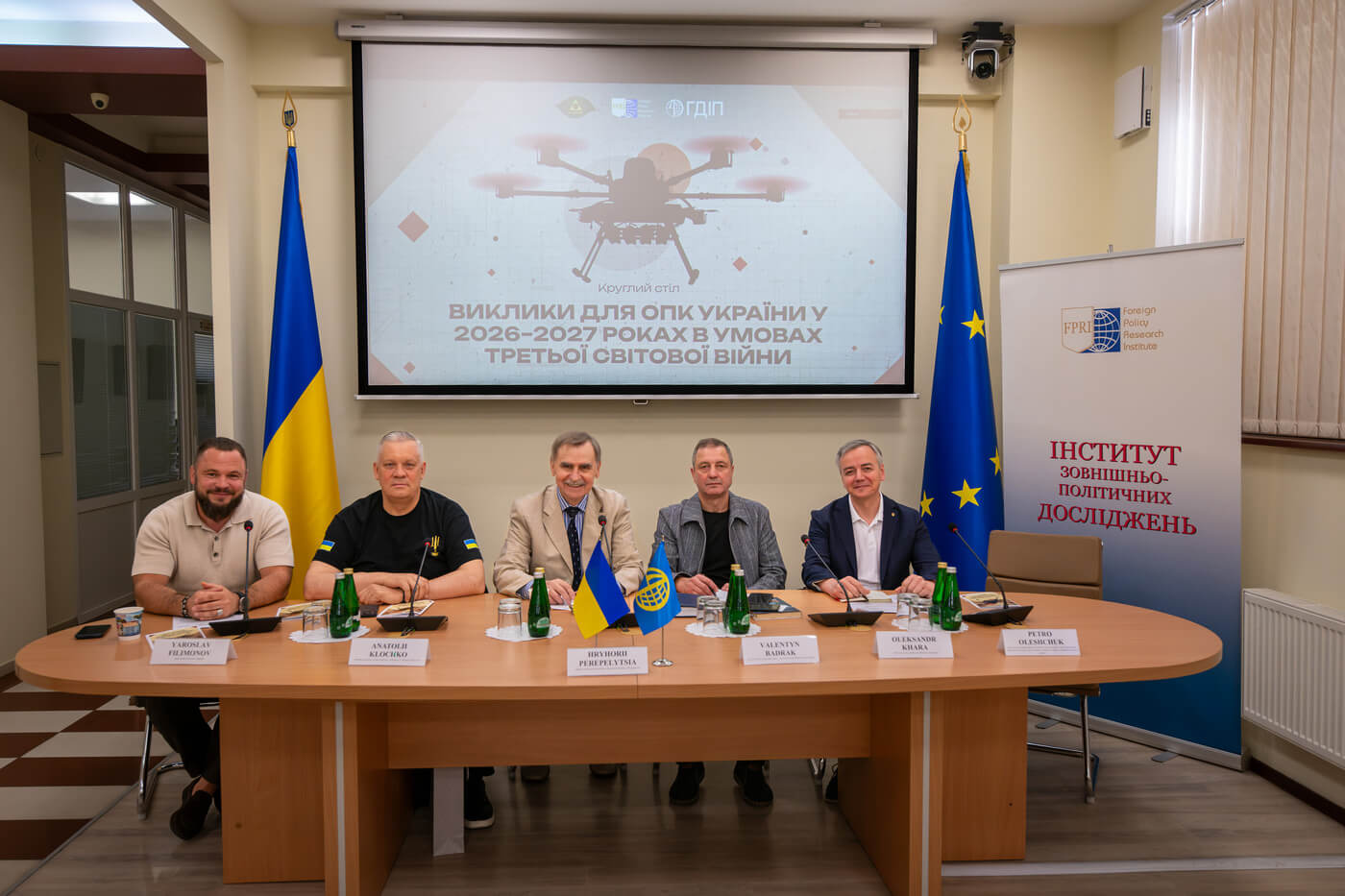
On Wednesday, 26 August 2026, the GDIP Media Center hosted a roundtable discussion entitled Challenges for Ukraine’s Defence Industry in 2026–2027 amid the Third World War, organised by the Foreign Policy Research Institute and the Center for Army, Conversion and Disarmament Studies, with organisational support from GDIP.
The discussion brought together representatives of the foreign diplomatic corps, the defence sector, and the expert and academic community. Hryhorii Perepelytsia, director of the Foreign Policy Research Institute, a full professor and doctor of political science, moderated the event. Among the speakers were Valentyn Badrak, director of the Centre for Army, Conversion and Disarmament Studies; Anatolii Klochko, brigadier general, deputy minister of defence of Ukraine (2024–26); Oleksandr Khara, director of the Centre for Defence Strategies; Petro Oleshchuk, lecturer at the Department of Political Science of the Taras Shevchenko National University of Kyiv, doctor of political science, Ukrainian political analyst; and Yaroslav Filimonov, head of the Kvertus company.
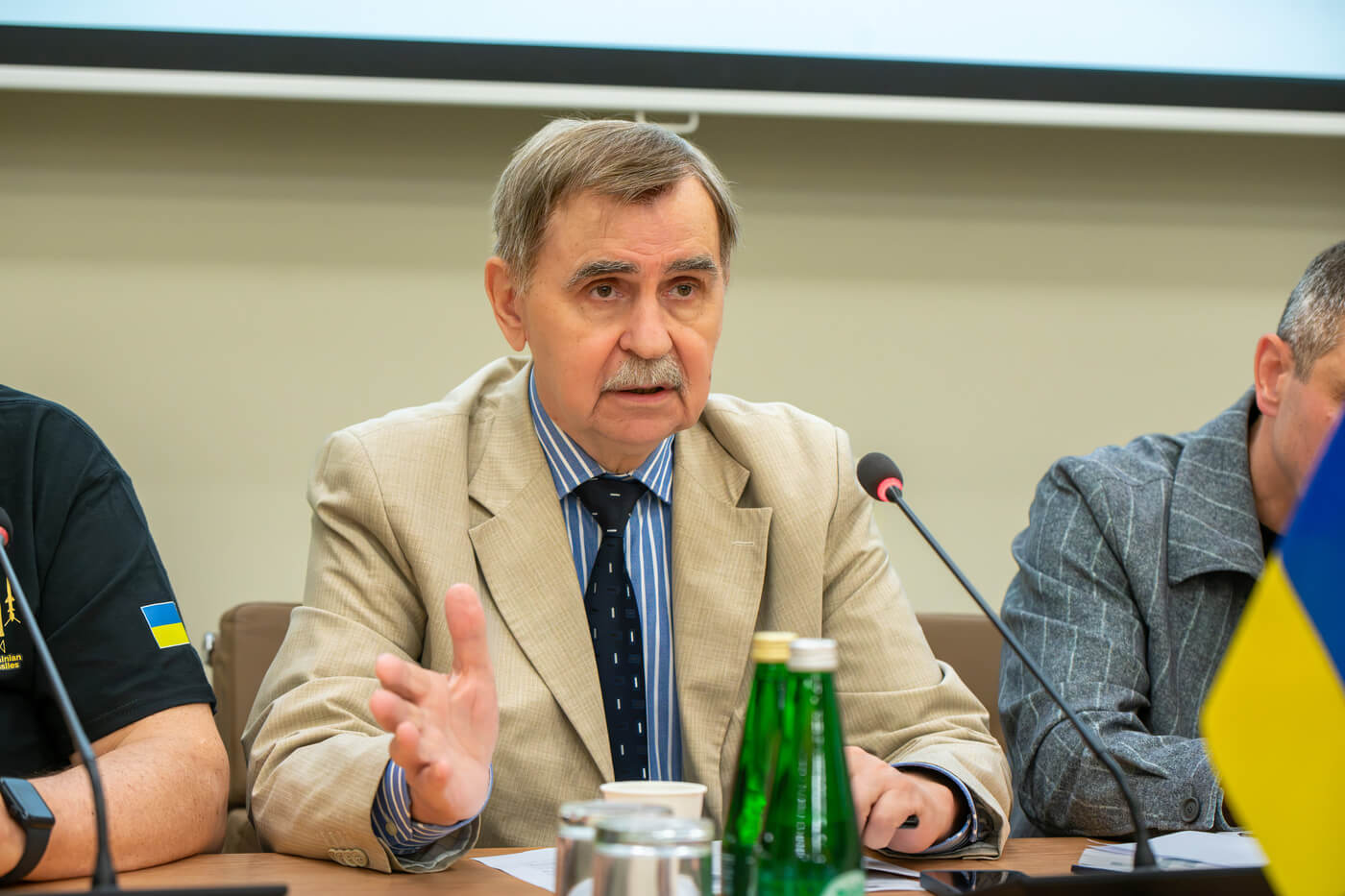
Participants discussed the capacity of Ukraine’s defence industry to meet frontline needs in 2026–27, the development of defence technologies, the technological competitiveness of Ukrainian weaponry, and the strengthening of the state’s defence potential. Particular attention was paid to military-technical cooperation, international technological partnerships, and Ukraine’s role in shaping the future architecture of European security.
In his remarks, Anatolii Klochko focused on the development of Ukraine’s missile programme and its key directions — from ballistic missiles and air-defence systems to guided aerial bombs and radar systems. According to him, ‘Ukraine’s missile programme has never gained such momentum as it has now,’ and the changes laid down in 2024–26 are backed not only by decisions but by funding as well. At the same time, he stressed that the main challenge remains the transition from single prototypes to serial production.
For his part, Oleksandr Khara outlined the industry’s main problem areas: funding, human resources, dependence on individual components, a shortage of gunpowder and nitro compounds, the vulnerability of production facilities, and the short horizon of state contracts. He also stressed the importance of deepening joint arms production with partners: ‘Interdependence is more reliable than written guarantees. We will not become a NATO member in the near future, although we should keep this goal in mind. Nevertheless, jointly producing critically important types of weapons and equipment will guarantee that Ukraine becomes part of this security architecture — and not merely a shield or some unit behind the wall of the European Union and NATO.’
Valentyn Badrak, meanwhile, expressed the view that NATO accession can no longer be regarded as a priority for Ukraine, and focused on the search for new formats of security cooperation and the development of joint defence production: ‘We no longer need to try to become a NATO member, since the bloc is currently too weak,’ he said, naming as a promising alternative the Joint Expeditionary Force. Mr Badrak cited examples of joint development projects between Ukrainian companies and foreign partners — from missile seeker heads to munitions — and called on European countries to accelerate joint production of air-defence, missile, and artillery systems, including long-range artillery with ramjet engines. Concluding his remarks, the expert emphasised: ‘This war is already a shared cause. Europe will not stand if Ukraine does not stand.’
Petro Oleshchuk presented his assessment of the development of the defence industry in a broader international and security context. In his view, while Western states tried to manage escalation by limiting the types and volumes of weapons supplied to Ukraine, russia and its allies acted differently: ‘While the West was managing escalation, or believed it was managing escalation, the other side was not doing so. Instead, it openly laid claim to victory.’ Mr Oleshchuk stressed that the anti-democratic camp perceives the West’s caution as weakness, which only fuels further escalation, and noted the growing attention of European media to the possibility of the war spreading to NATO countries.
Yaroslav Filimonov outlined the technological dimension of modern warfare in his address. He stressed that the rapidly changing nature of combat operations requires the defence industry not only to increase production volumes but also to accelerate the development and updating of technological solutions continuously: ‘Modern warfare has turned technological advantage into an ongoing process. The defence industry must not simply produce more. It must develop, integrate, and update solutions faster.’
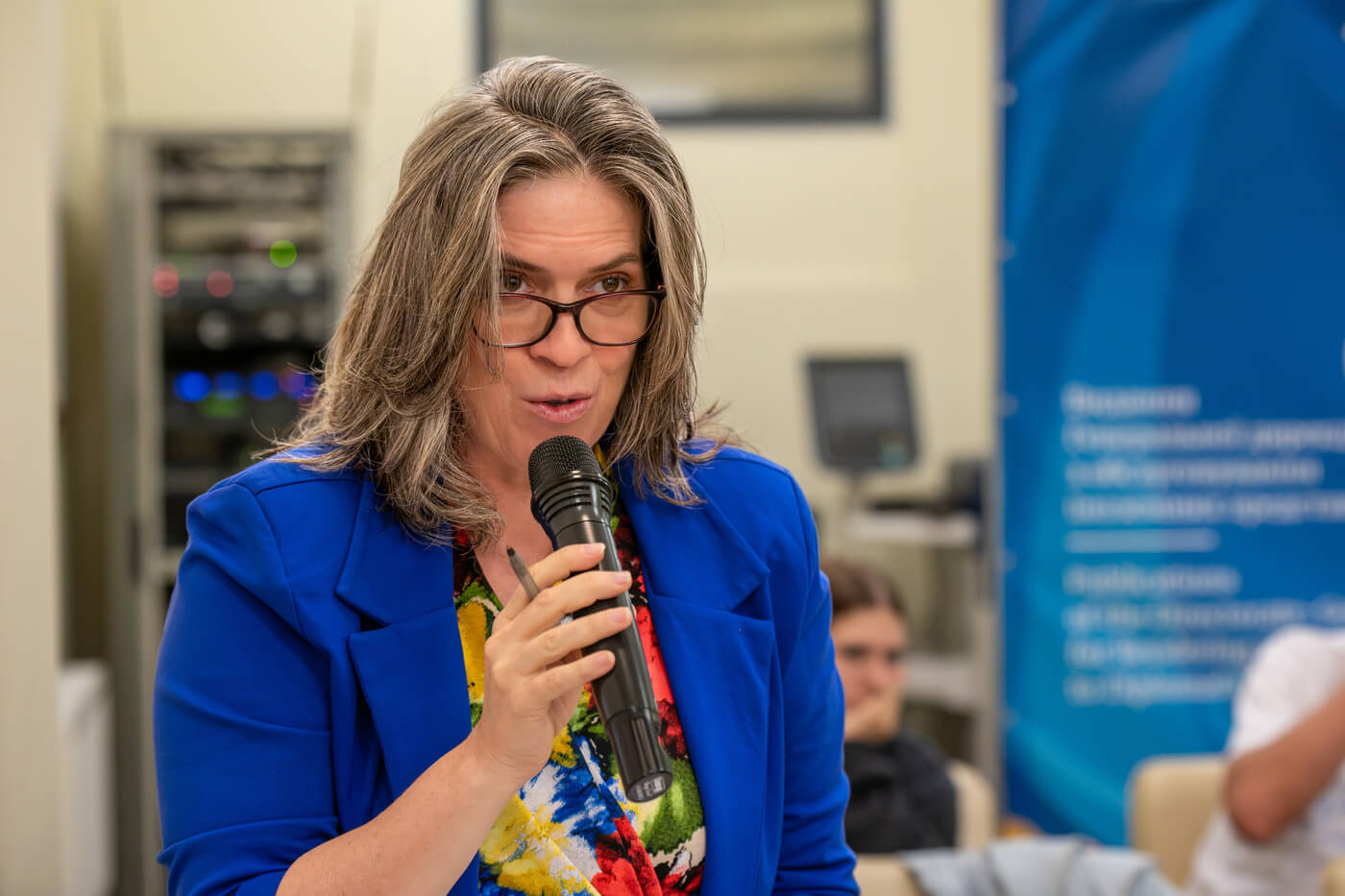
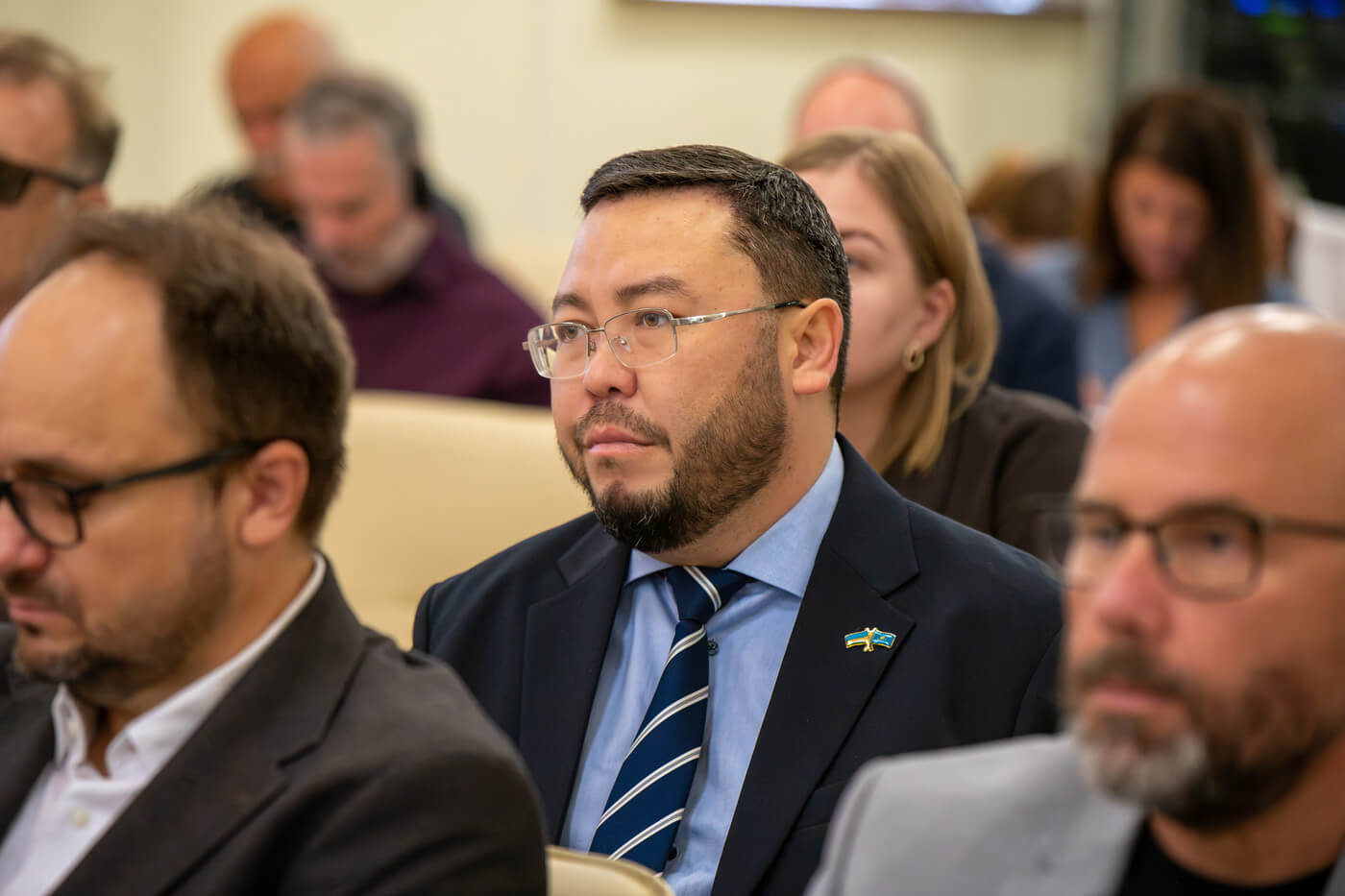
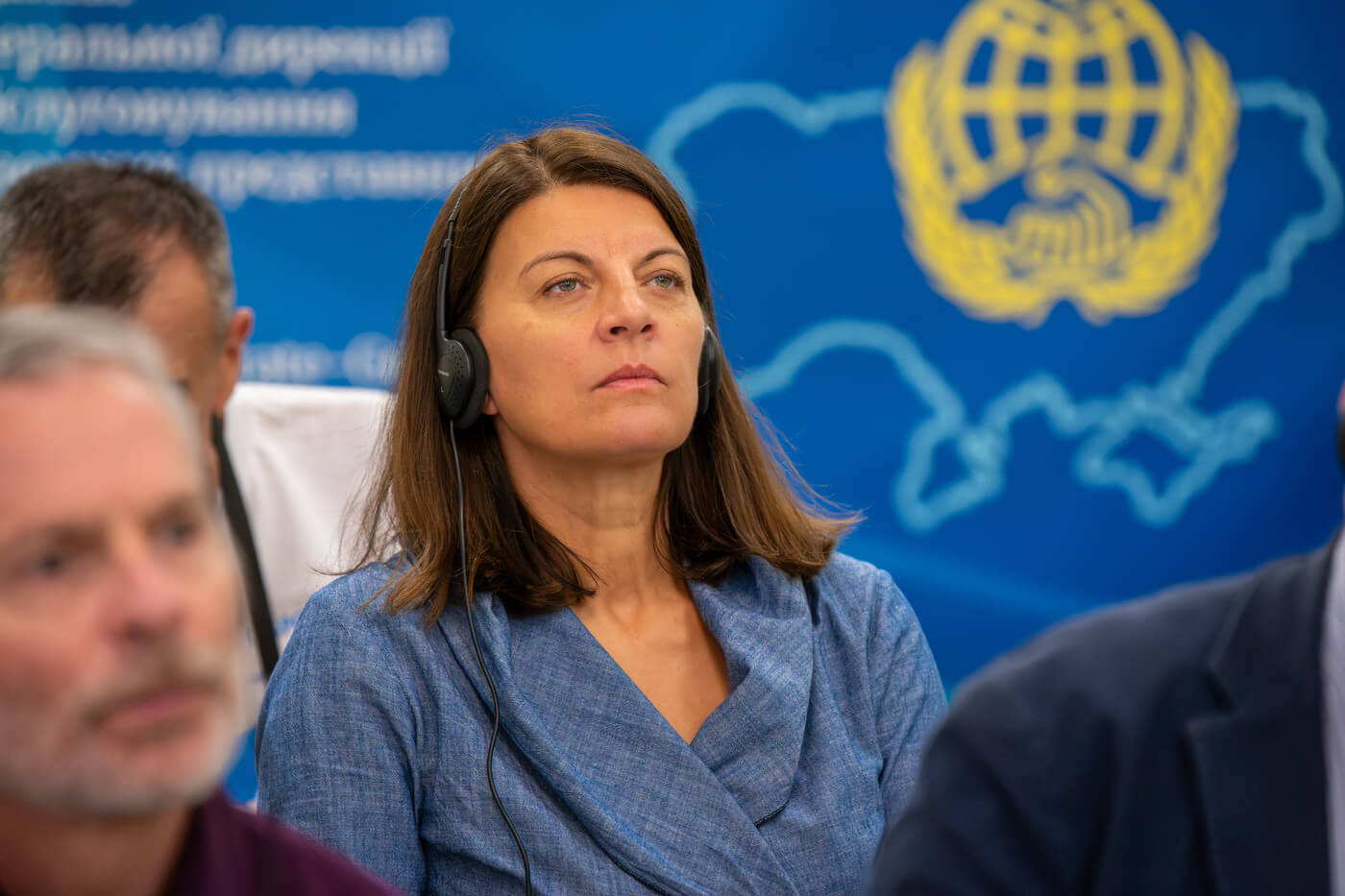
Following the speakers’ remarks, a lively discussion ensued, with scholars, experts, and representatives of the diplomatic corps in attendance.