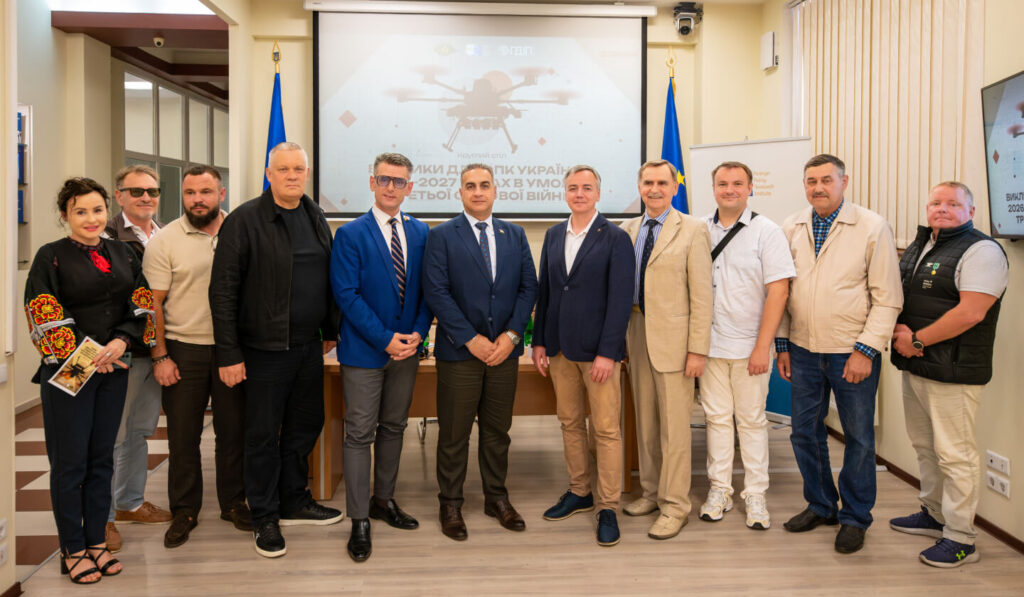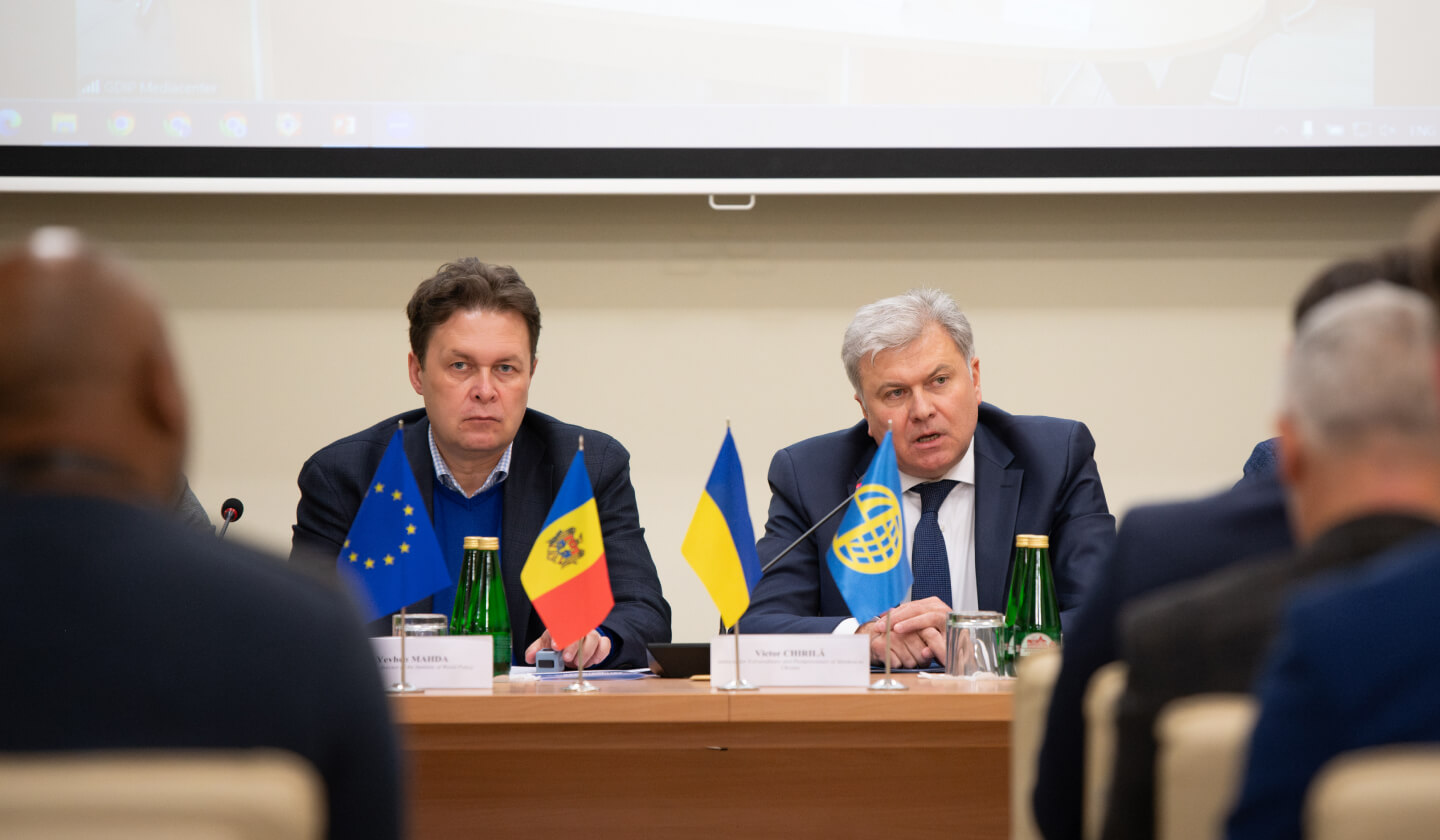
On Thursday, 16 April 2026, the Ukrainian Center of Peacebuilding and the Bukovyna Political Science Center NGOs jointly with the Institute of World Policy and with the organizational support of the State Enterprise ‘Directorate-General for Rendering Services to Diplomatic Missions’ held a roundtable entitled Security and European Integration in the Black Sea Region: Ukraine–Moldova in the GDIP Media Center.
The foreign and Ukrainian diplomats, representative of Ukrainian media, universities, and expert community joined the event.
Yevhen Mahda, director of the Institute of World Policy, moderated the roundtable. The event featured Victor Chirilă, Ambassador Extraordinary and Plenipotentiary of the Republic of Moldova to Ukraine; Vadym Halaichuk, people’s deputy of Ukraine, first deputy head of the Committee of the Verkhovna Rada of Ukraine for Ukraine’s Integration in the European Union; Adrian Băluțel, former chief of staff to the President of the Republic of Moldova; Anatolii Kruhlashov, doctor of political science, full professor, head of the Department of Political Science and Public Management, director of the Scientific and Research Center for European Integration and Regional Studies of the Yurii Fedkovych Chernivtsi National University; Olha Brusylovska, full professor, head of the Department of International Relations of the Odesa I. Mechnykov National University; Diana Ignatenco, head of the Ukrainian Language and Culture Center of the Alecu Russo State University of Bălți; Denys Bordiian, the Ukrainian Center of Peacebuilding NGO; Vitalii Kulyk, head of the Educational and Research Laboratory for Countering Disinformation of the Vadym Hetman Kyiv National Economic University; Andrei Curăraru, policy and security expert of the WatchDog.md NGO; Ivan Kapsamun, an ethnic Gagauz, journalist, and political analyst; Mihail Sirkeli, journalist, founder of the Nokta.md media project; Borys Babin, expert at the Association of Reintegration of Crimea; Viktor Yahun, military and public figure, major general (reserve) of the Security Service of Ukraine (SBU), deputy head of the SBU (2014–15), director of the Agency for Security Sector Reform; Rosian Vasiloi, analyst of security and military affairs, retired colonel, former head of the Moldovan Border Police.
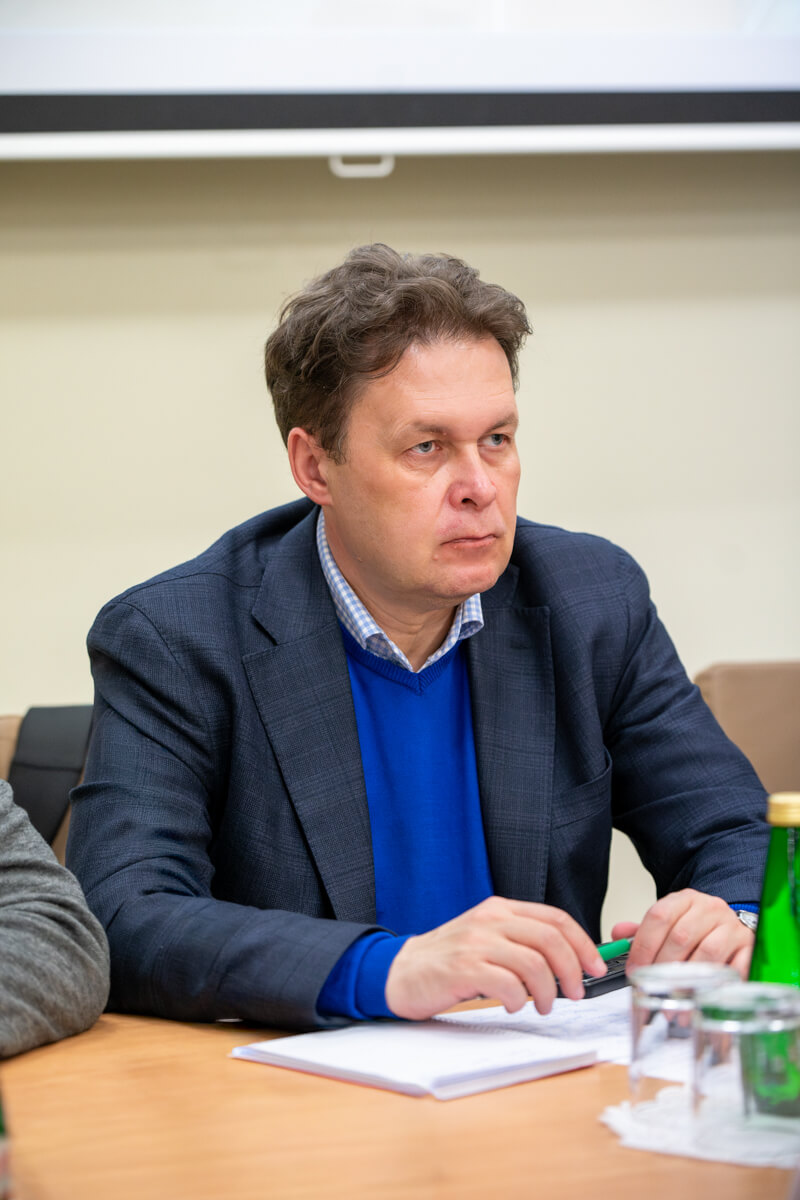
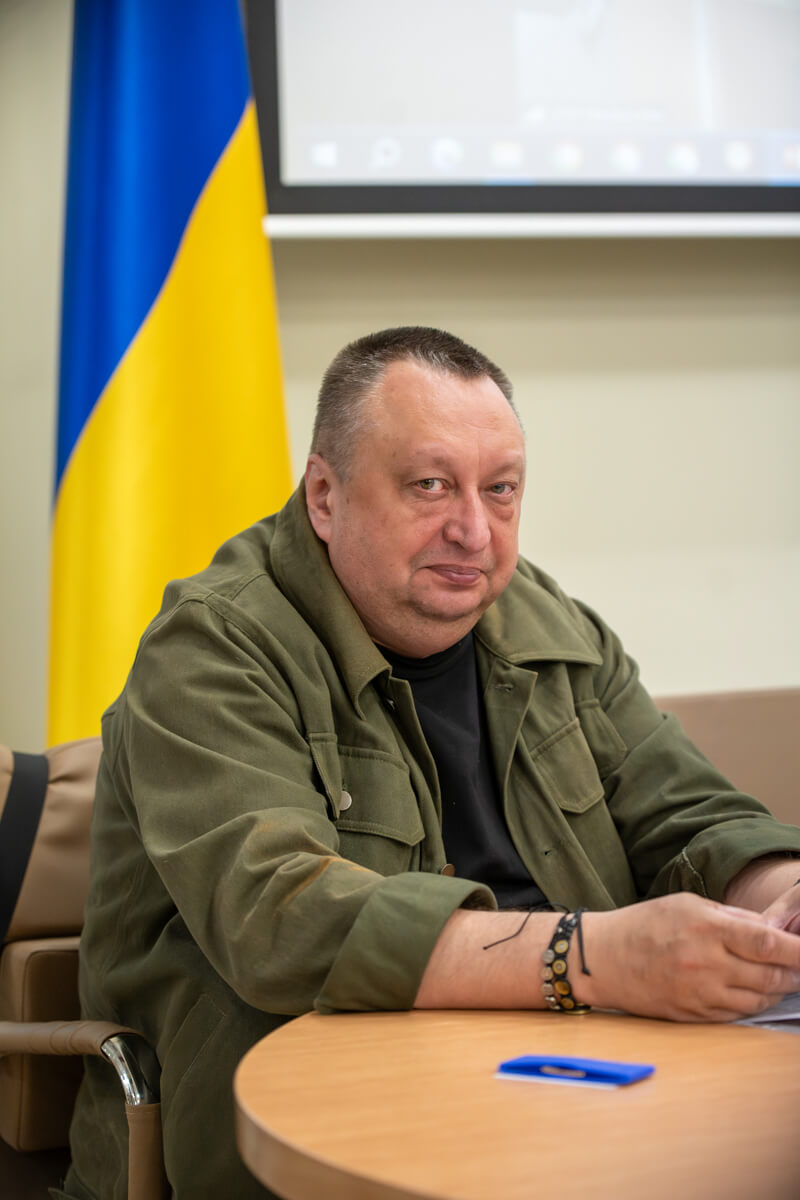
During the event, a professional discussion of several issues took place, namely an analysis of the current state of Ukraine’s and Moldova’s European integration process; new trends in russian information operations aimed at undermining the European future of both states; challenges and threats posed by russian influence in the Ukrainian-Moldovan cross-border region; prospects for developing bilateral cooperation in the fields of education and science; and mechanisms for countering the subversive practices of russian neo-imperial policy.
The roundtable was opened by the Ambassador Extraordinary and Plenipotentiary of the Republic of Moldova to Ukraine, Victor Chirilă, who expressed condolences to the victims of russian attacks and emphasized that such actions are unacceptable and must be prosecuted as war crimes in a future just peace. The Ambassador expressed Moldova’s profound gratitude to Ukraine and its people for their resilience and sacrifices, which, in his words, have ensured the security and independence of Moldova itself. The diplomat stressed unwavering support for Ukraine until victory and the establishment of a lasting peace, and added that European integration for Moldova is not merely an economic project but, above all, a matter of security and the very existence of the state and that this path is inextricably linked with Ukraine.
‘My message to both our countries, to the authorities in Chișinău and Kyiv: we must integrate economically, politically, and in the areas of security, transport, and energy. This will strengthen our shared security. Ukraine benefits from having Moldova as a stable, independent, and prosperous neighbour, just as Moldova depends on Ukraine,’
the diplomat stated, underscoring the shared strategic goals of both countries, namely EU accession, strengthening regional stability and security, and deepening cooperation between the two states at all levels.
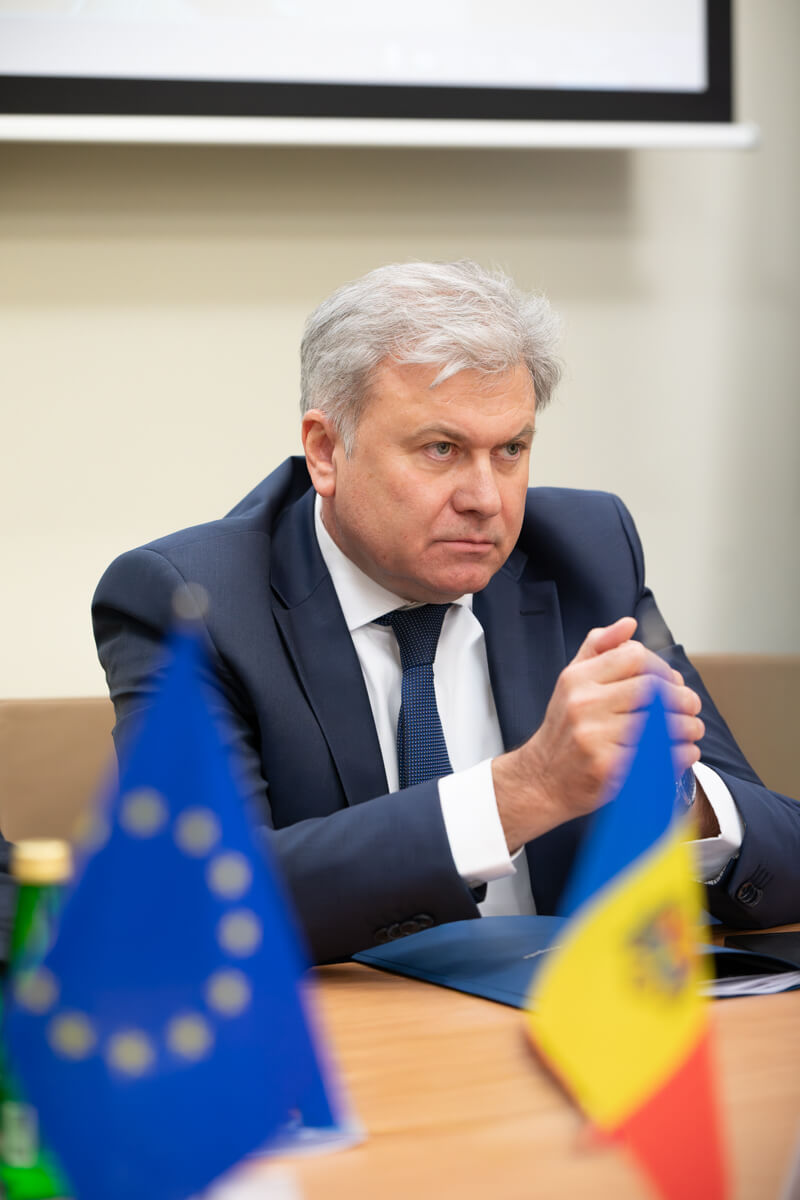
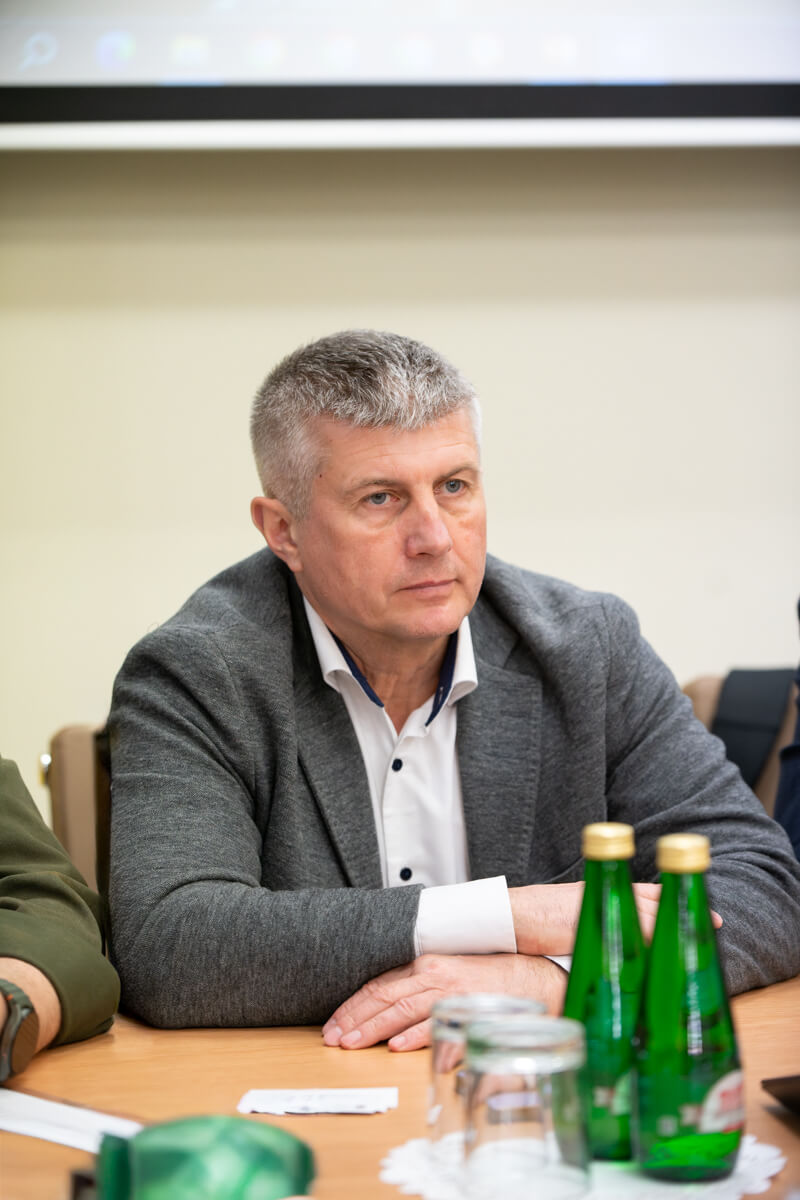
People’s deputy of Ukraine and first deputy chairman of the Verkhovna Rada Committee on Ukraine’s Integration into the European Union, Vadym Halaichuk, likewise emphasized the shared nature of Ukraine’s and Moldova’s European integration path and the importance of moving towards EU accession in synchrony. The expert outlined key temporal benchmarks — 2027 for technical preparation and 2029 for the completion of political processes — and noted that the current window of opportunity has emerged largely as a result of russian aggression.
‘Our paths are very similar: we started almost simultaneously, we are moving within a comparable negotiating framework, and we are using similar instruments — legislative adaptation and national programmes. Ukraine adopted such a programme recently, while Moldova did so back in 2025. At the same time, Ukraine is navigating this path under conditions of full-scale war, whereas Moldova faces an intensive hybrid and information war that has been particularly pronounced during elections and referendums. The aim of these influences is the same — to obstruct European integration. That is precisely why it is important to maintain Ukraine’s and Moldova’s synchronized movement towards the EU,’
the expert stated. He also highlighted the geopolitical significance of EU enlargement, the role of Ukraine and Moldova in strengthening European security, and the importance of practical cooperation, including through joint infrastructure and economic projects.
In his address, former chief of staff to the President of the Republic of Moldova Adrian Băluțel argued for the importance of opening EU accession negotiations for Ukraine and Moldova as swiftly as possible, stressing that this carries not only technical but also strong political significance. The speaker noted Moldova’s progress in preparing for the negotiations and its ambition to conclude them by 2028. Adrian Băluțel further emphasized that both countries must move forward together, making use of opportunities for joint investment, infrastructure projects, and EU funding. The analyst observed that the outcomes of European integration must be tangible for citizens, improving quality of life, creating jobs, and developing infrastructure:
‘…European integration must reach beyond Brussels and turn into processes that ordinary citizens feel in their own communities.’
The expert also noted that close cooperation between Ukraine, Moldova, and Romania is key to this process, and that Ukraine plays a vital role in Moldova’s security.
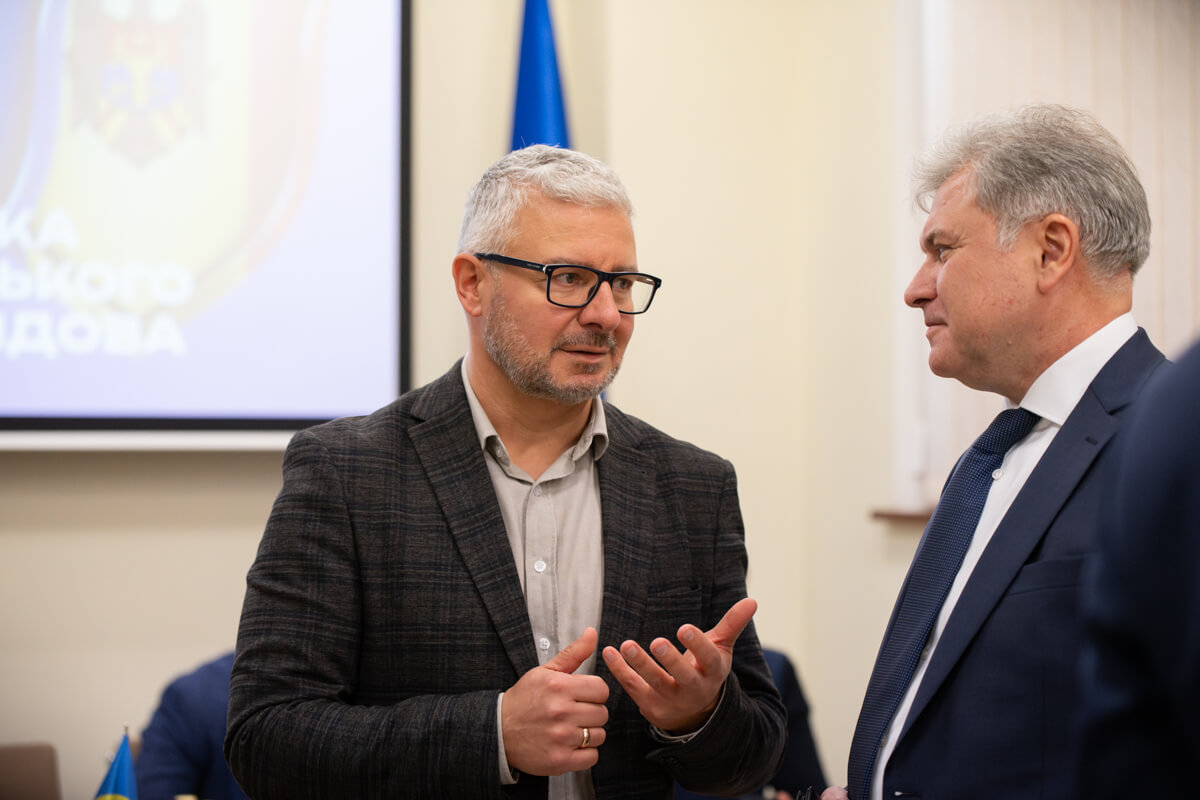
Following the experts’ presentations, the guests joined a lively discussion.