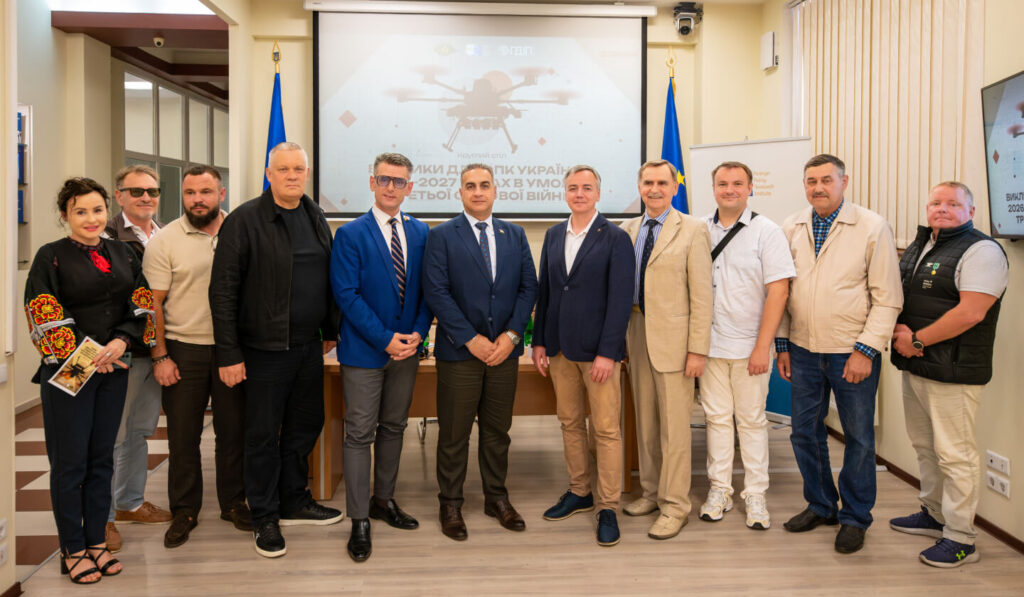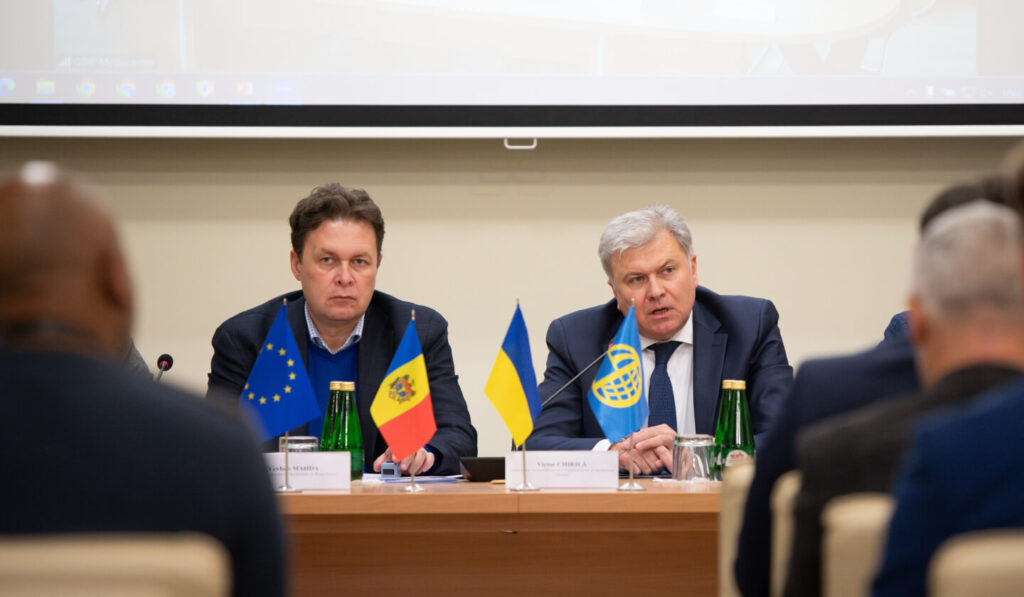
On Wednesday, 15 April 2026, a roundtable discussion entitled Escalation of Confrontation: The World on the Brink of World War III. What Are the Possible Consequences? took place at the GDIP Media Center.
The event was organized by the Ukrainian Academy of Geopolitics and Geostrategy with organizational support from the State Enterprise ‘Directorate-General for Rendering Services to Diplomatic Missions’.
Pavlo Hai-Nyzhnyk, Doctor of History, leading research fellow of the Kuras Institute of Political and Ethnic Studies of the National Academy of Sciences of Ukraine, and president of the Ukrainian Academy of Geopolitics and Geostrategy, moderated the event.
The speakers were Oleksandr Savchenko, Doctor of Economics, rector of the International Institute of Business, Deputy Minister of Finance of Ukraine (2009–10), academician of the Ukrainian Academy of Geopolitics and Geostrategy, deputy head of the National Bank of Ukraine (1991–92; 2005–9), and author of the book, as well as Volodymyr Ohryzko, Minister for Foreign Affairs of Ukraine (2007–9), Ambassador Extraordinary and Plenipotentiary, head of the Centre for russian Studies, and academician of the Ukrainian Academy of Geopolitics and Geostrategy.
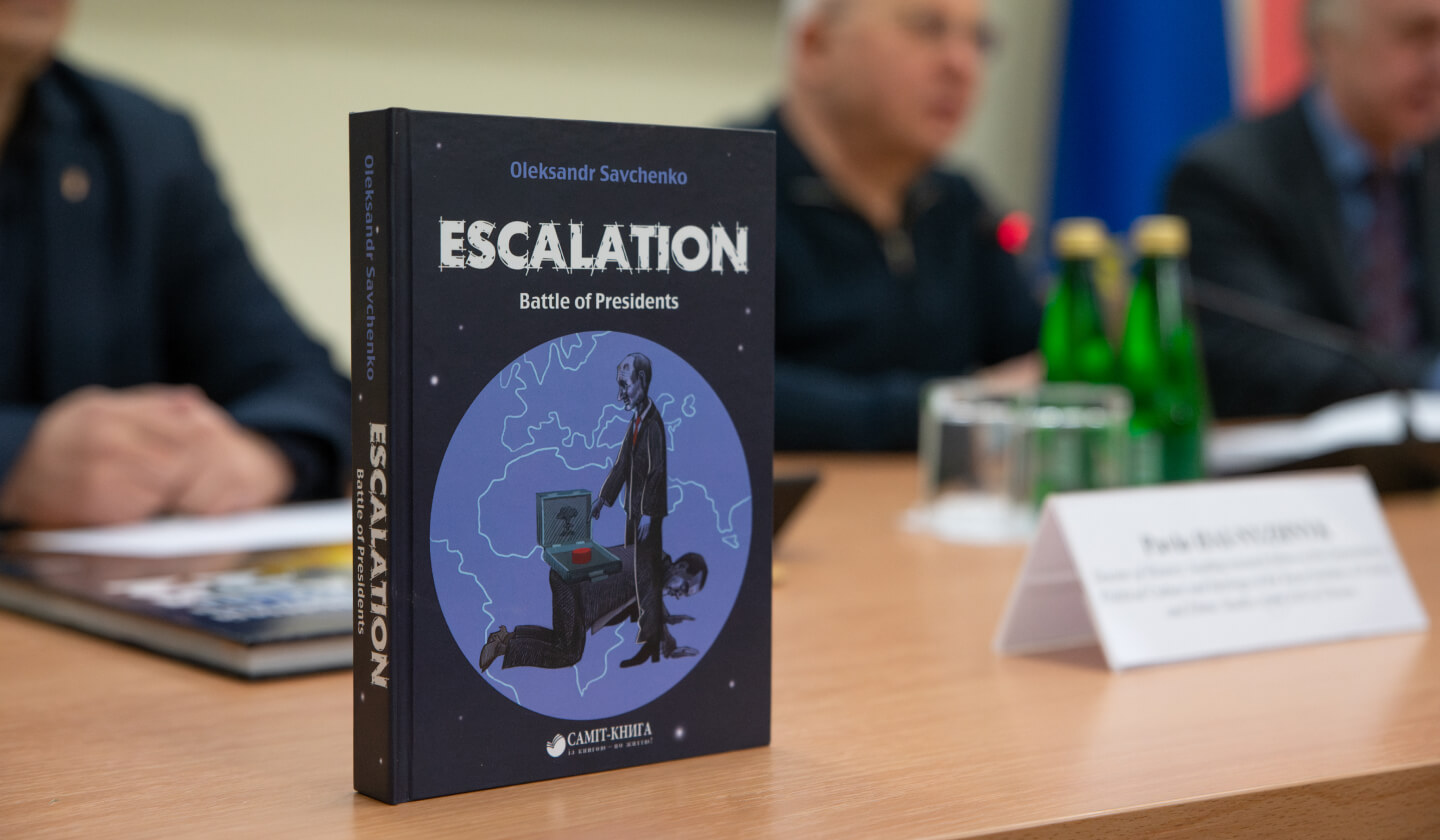
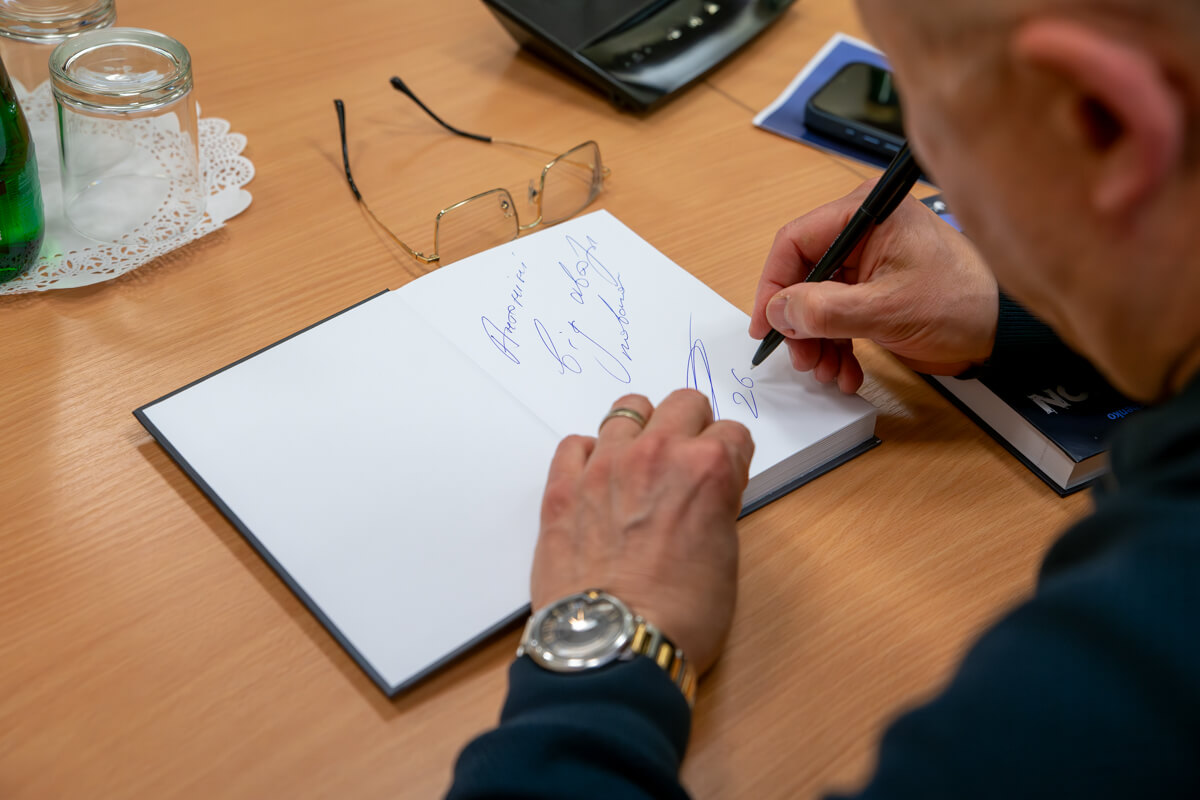
As part of the event, Oleksandr Savchenko’s English-language book Escalation. Battle of Presidents was presented.
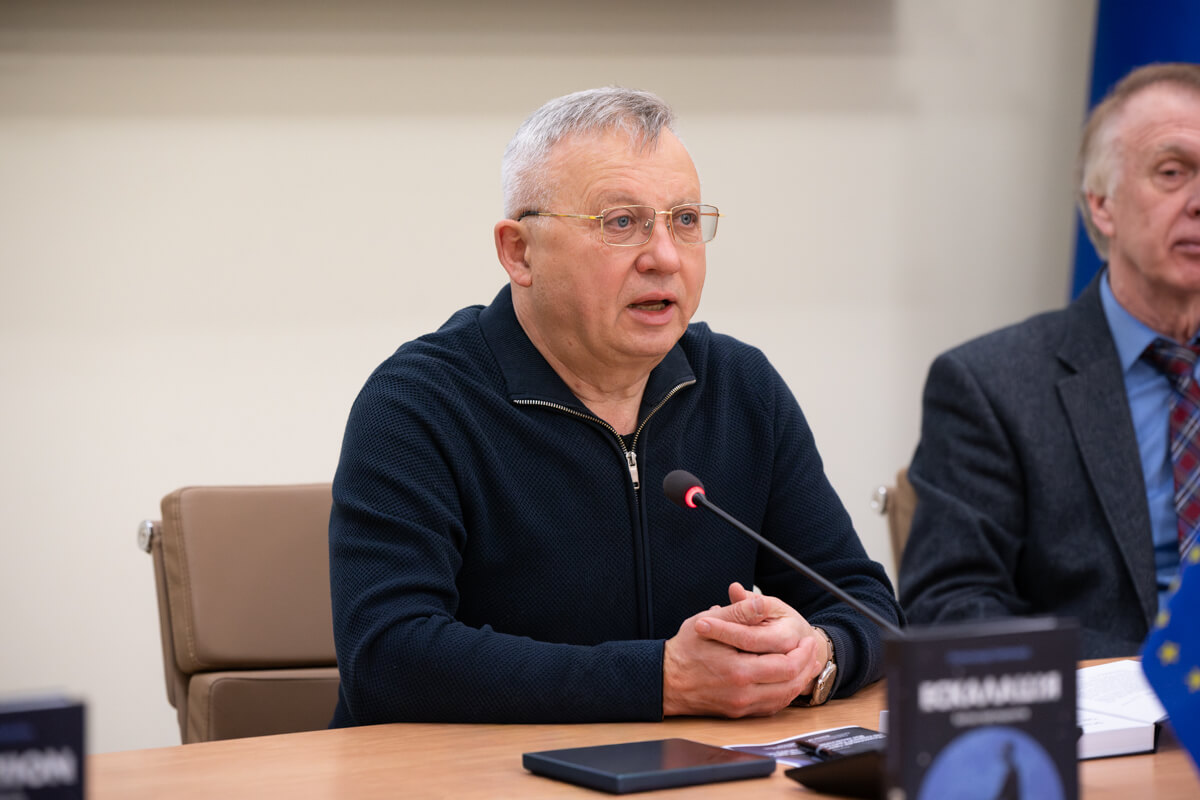
The author spoke about the background to the creation of the book, its central idea, and his intention to offer a fictional interpretation of the fundamental political, historical, and civilizational processes that shape Ukraine’s fate and its confrontation with russia. Oleksandr Savchenko explained that through a narrative combining elements of political analysis and literary fiction to provide a deeper understanding of contemporary challenges (including the possible end of the war, internal transformations in russia and the struggle for power in Ukraine), he sought to convey his own vision of the causes of prolonged setbacks, the role of historical memory and the threats of external influence. Oleksandr Savchenko paid particular attention to issues of identity, language, the influence of ideologies and civilizational choice, and emphasized the importance of shaping a shared vision of the past and the future:
‘The main idea of the book is an attempt to show, honestly and without embellishment, what Ukraine is, why failures have pursued us for more than 1,000 years, and what awaits us after the war ends. And we cannot answer these questions without answering another one: “What, in fact, are russia and the core russian people?” […] The correct idea is this, and it is something we must instil into the minds of the core russian people and their elite: in reality, you russians do not come from ancient Rus. That is our history, our proto-state. You, Russians, come from a far more powerful and grand state, namely the Mongol Empire. They simply do not know this, and it is something that must be impressed upon them. Because I am convinced that a country which lacks a shared vision of the past will not be able to form a shared vision of the future.’
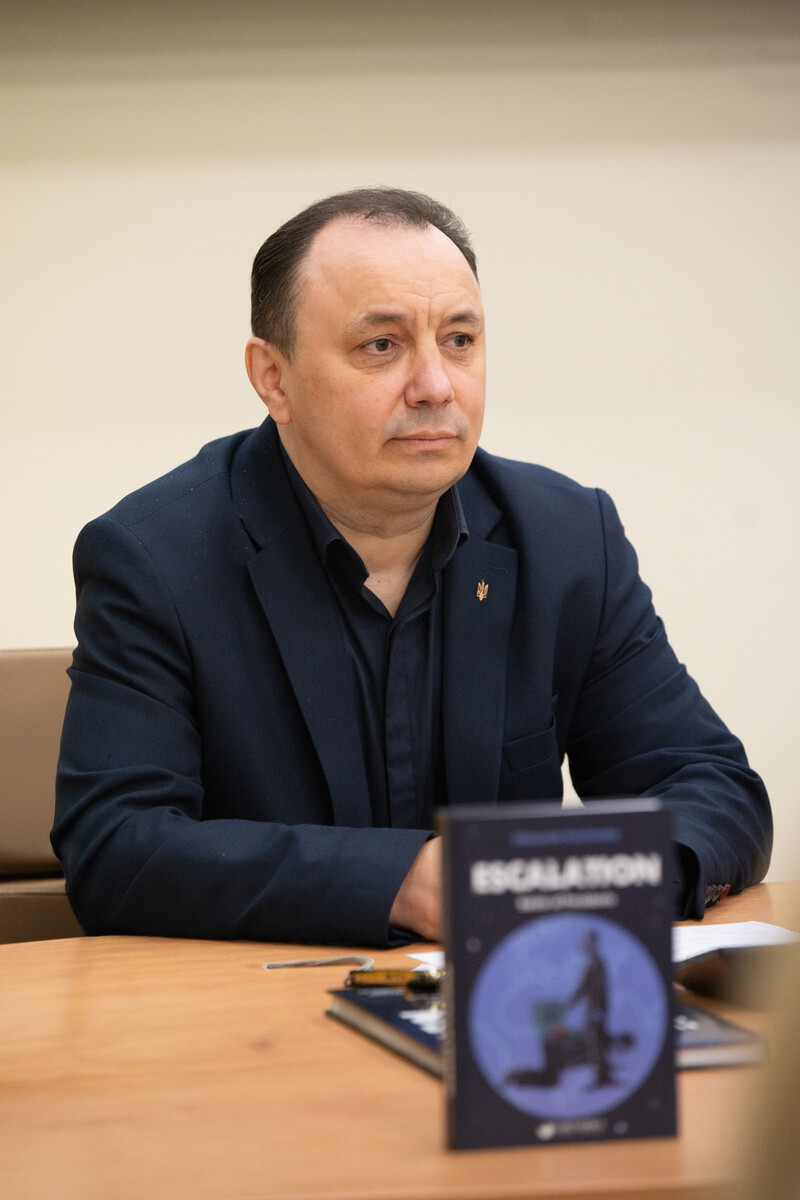
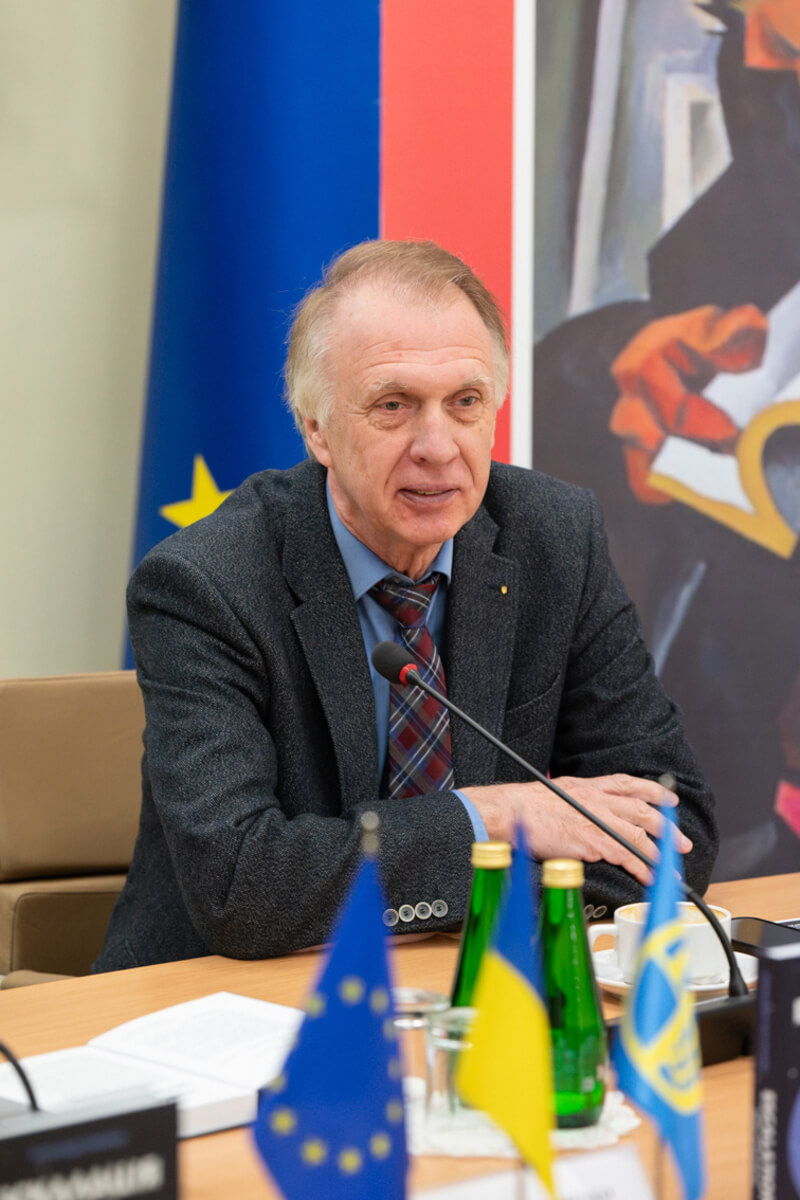
Volodymyr Ohryzko highlighted the author’s professional path as an economist and, at the same time, his talent as a writer, emphasizing that the book raises important political and social issues in a fictional form:
‘As for Ukraine, the book contains important ideas about its future. One of them is the formula: “Ukrainians, enrich yourselves.” A poor person thinks only about survival, not about development. A true society of the future is a society of free, independent, and thinking people. The book contains many interesting ideas — about language, the social system, and the development of the state. That is why I sincerely recommend reading it, but above all, reflecting on it. What distinguishes intelligent people is that they think, analyze, and draw conclusions.’
The diplomat also shared his own vision of russia’s future, expressing the conviction that it has entered the final stage of its existence and may collapse under the influence of internal and external factors, much like the USSR. He stressed that the disappearance of such a state as a global threat would be positive for the world.
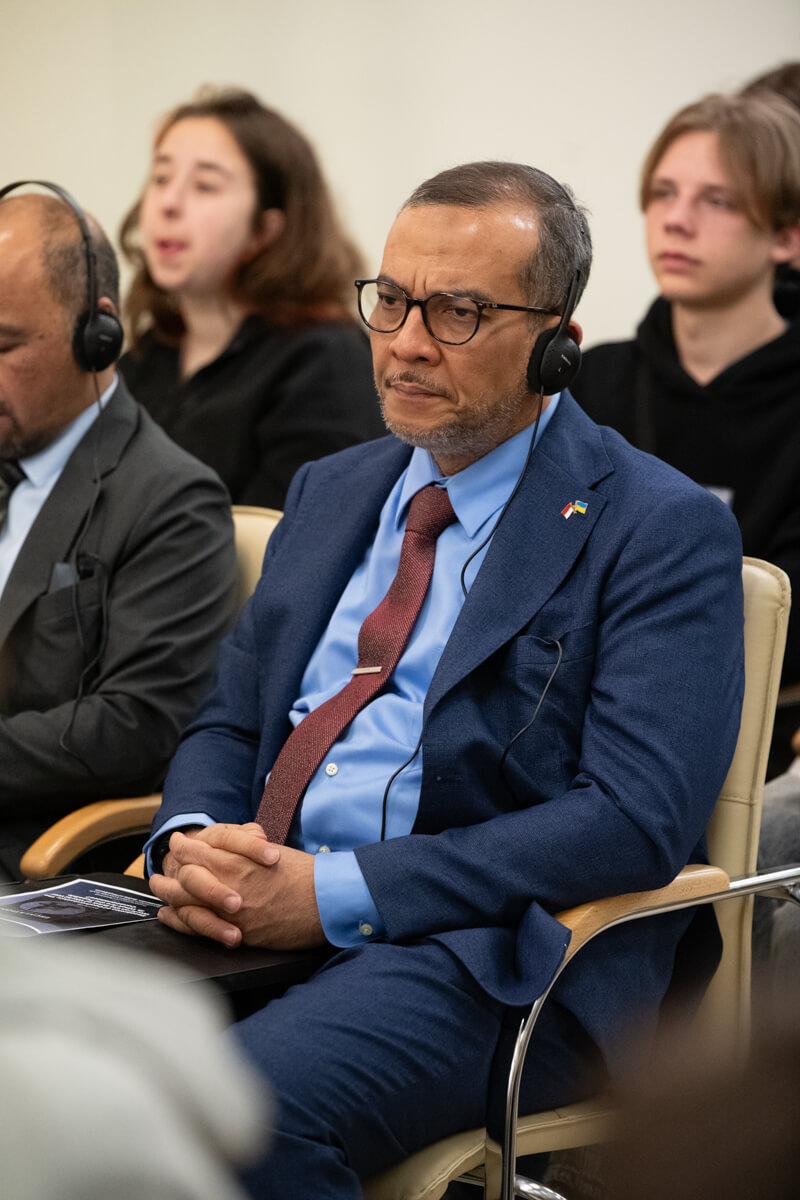
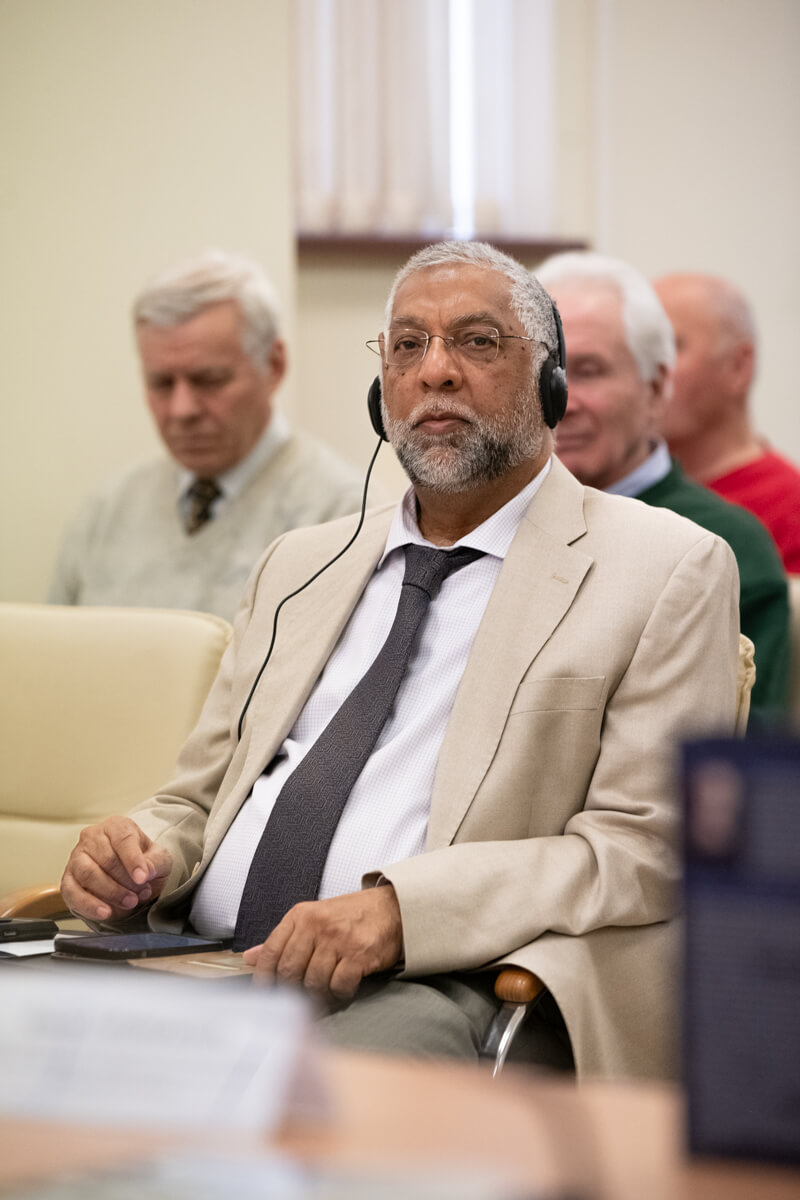
Following the presentation of the book, the guests moved on to discuss the conceptual issues raised by the roundtable, including the possible political and financial-economic consequences of escalating global confrontation; the way in which such escalation affects the redistribution of energy resources and influence; the implications for Ukraine’s national security; and possible ways of addressing them.
In his opening remarks to the roundtable, Pavlo Hai-Nyzhnyk drew attention to the worsening situation in the Middle East, in particular the risks facing the oil and gas market and maritime shipping, and raised the issue of possible changes in the global financial system. The moderator noted that part of oil trade settlements is already being conducted in yuan, which could undermine confidence in the petrodollar, and also pointed to the uncertainty surrounding future fuel prices and their impact on the global economic balance.
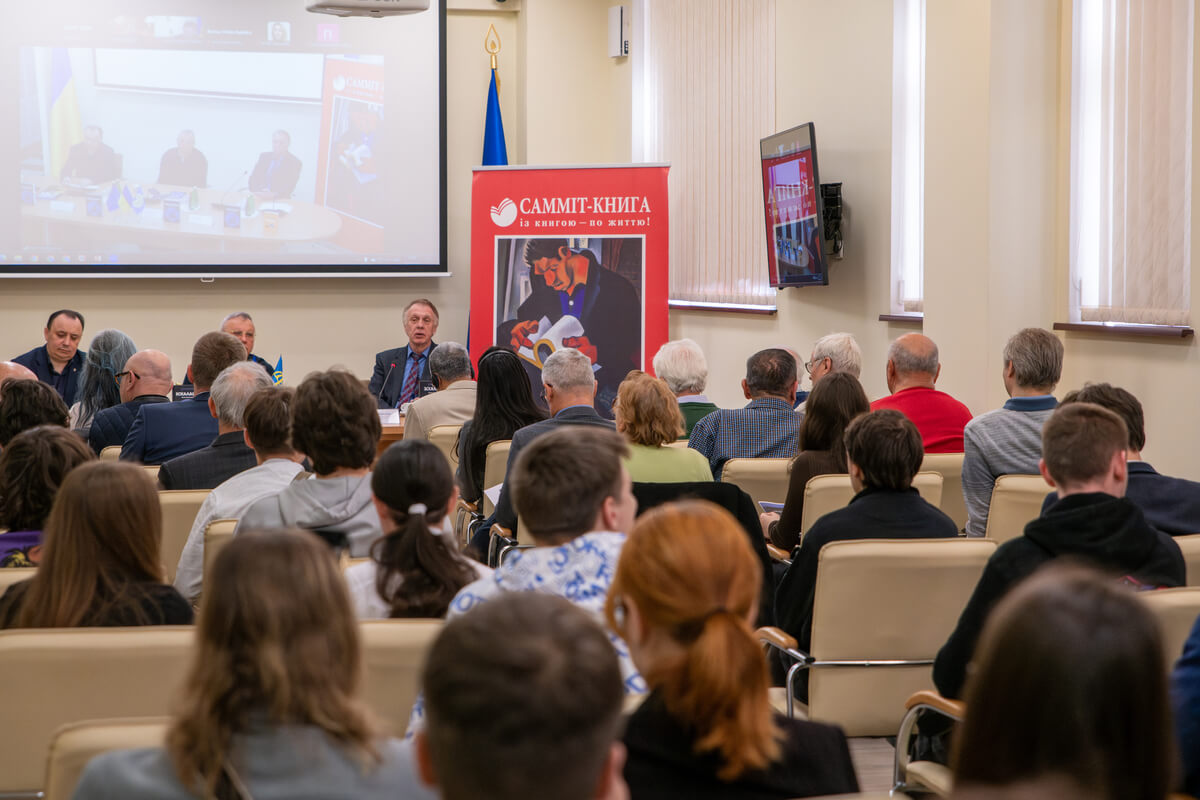
Oleksandr Savchenko analyzed the global economic situation through the prism of wars and political decisions, arguing that the economy has now become hostage to politics. The expert suggested that the United States had informally facilitated actions beneficial to russia, in particular through political steps that drove up oil prices and enabled russia to secure additional revenues for waging war. He also stressed that wars destroy global trade and cause the greatest harm to China, which is losing economic benefits. Oleksandr Savchenko further highlighted the topics of dollar instability, changes in global energy markets, and the risks of a stronger Iran, emphasizing that contemporary political elites often make unprofessional decisions that destabilize the world economy.
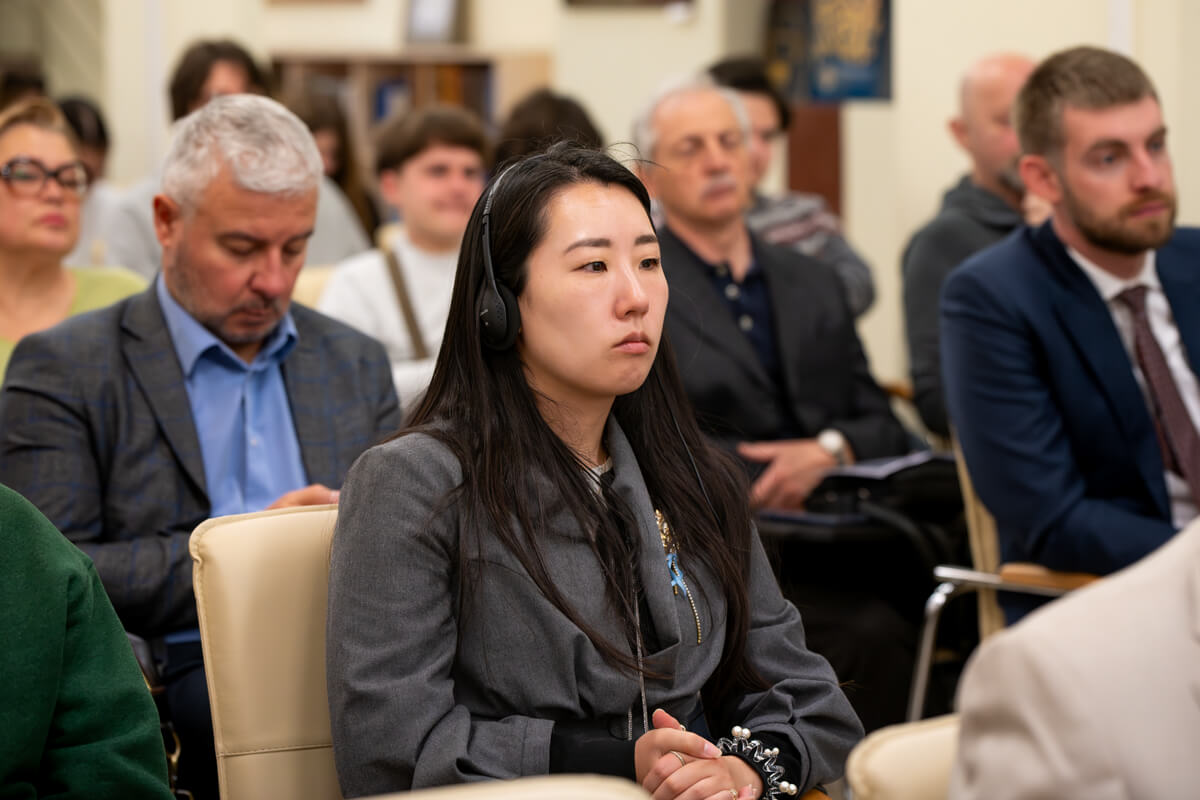
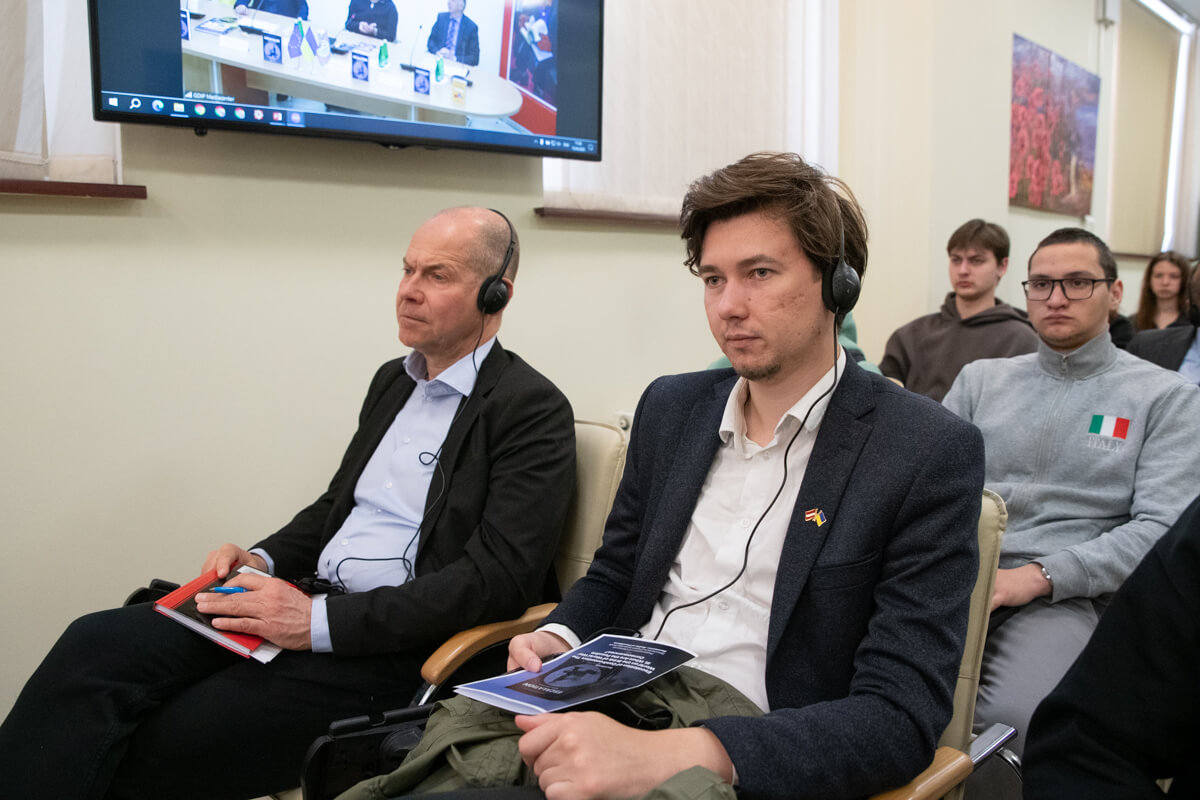
In his speech, Volodymyr Ohryzko spoke about the global loss of trust in the United States as the leader of the democratic world as a result of Donald Trump’s policies, which, in his view, undermine international law and the established world order. He stressed that this creates a period of instability that compels Europe to rethink its role and take greater responsibility for its own security, transforming itself from a purely economic actor into a fully-fledged military and political power. In this context, the expert noted the growing importance of Ukraine as a core element of the new European security system and as an increasingly self-standing actor on the international stage, including in the Middle East. He also pointed to the historical tradition of Ukrainian statehood and the country’s ability to defend itself, expressed confidence in continued support from Europe and the emergence of new opportunities for Ukraine, and raised the issue of changes in Europe, including the elections in Hungary and the need for pragmatic cooperation among states and for resolving contradictions in order to preserve unity and advance Ukrainian interests.
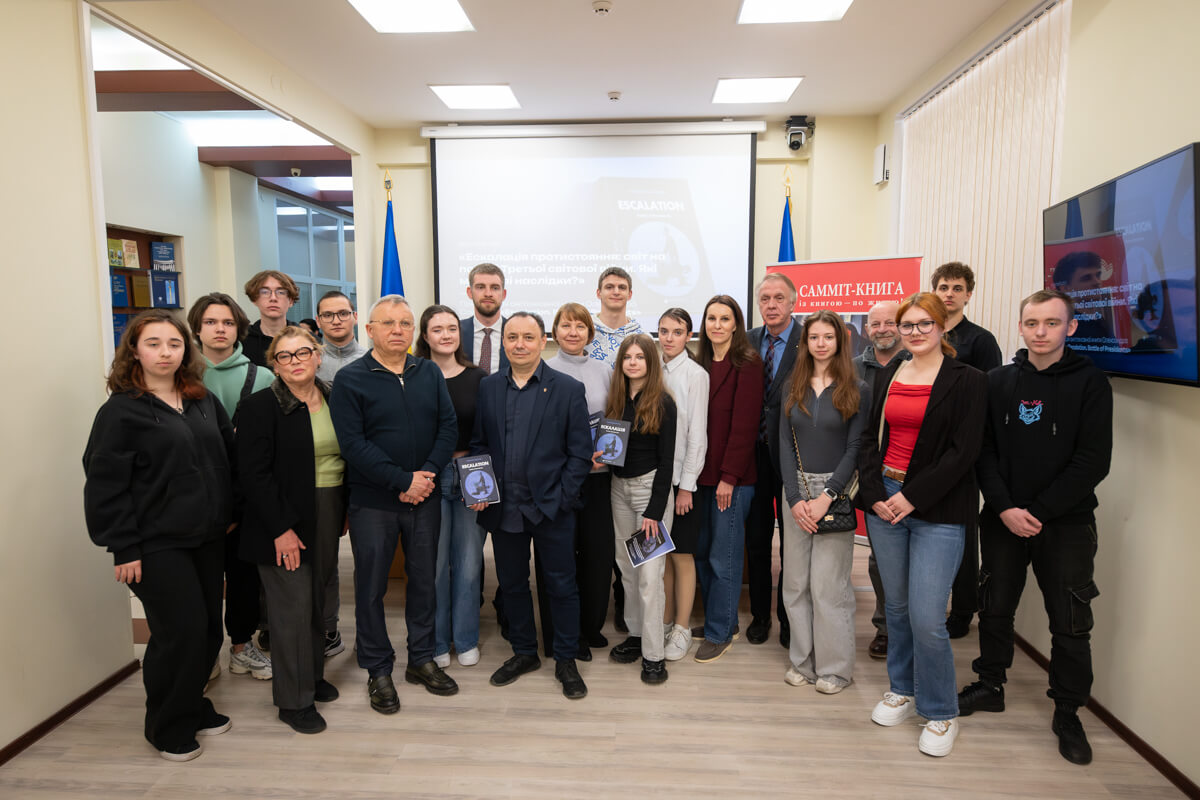
Diplomats, researchers, university lecturers, and students also joined the discussion.