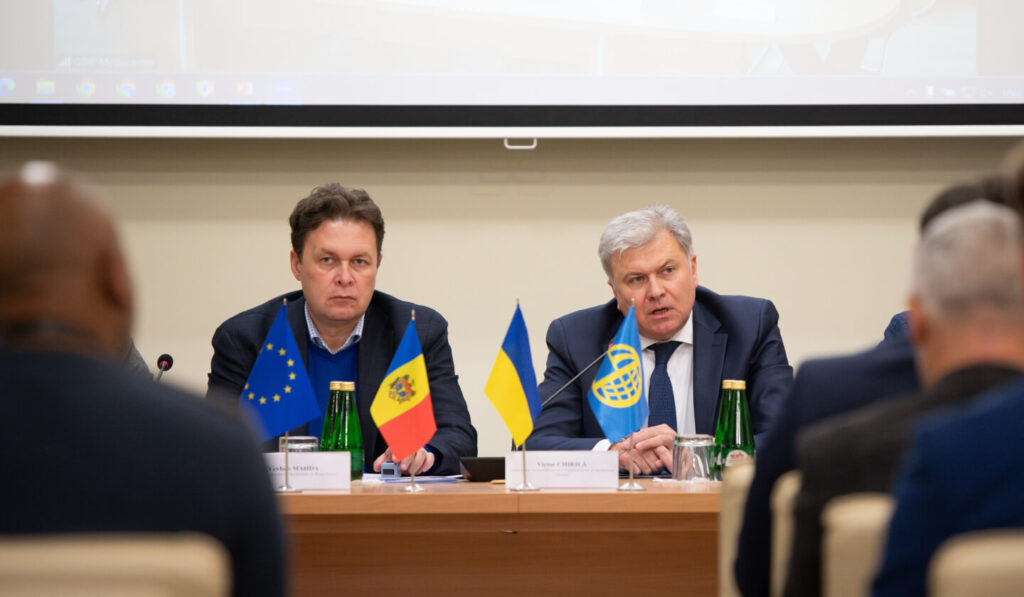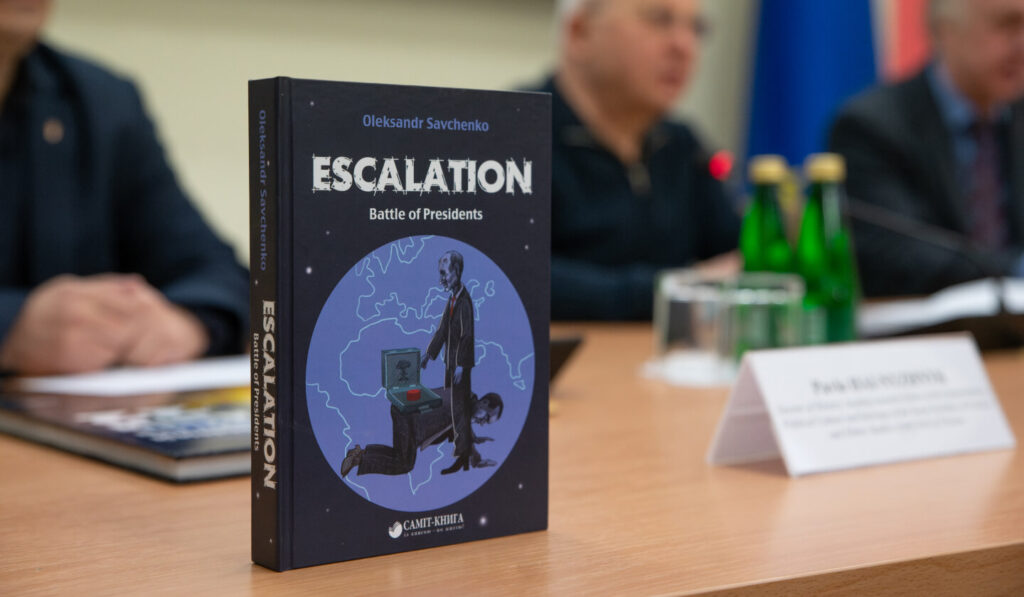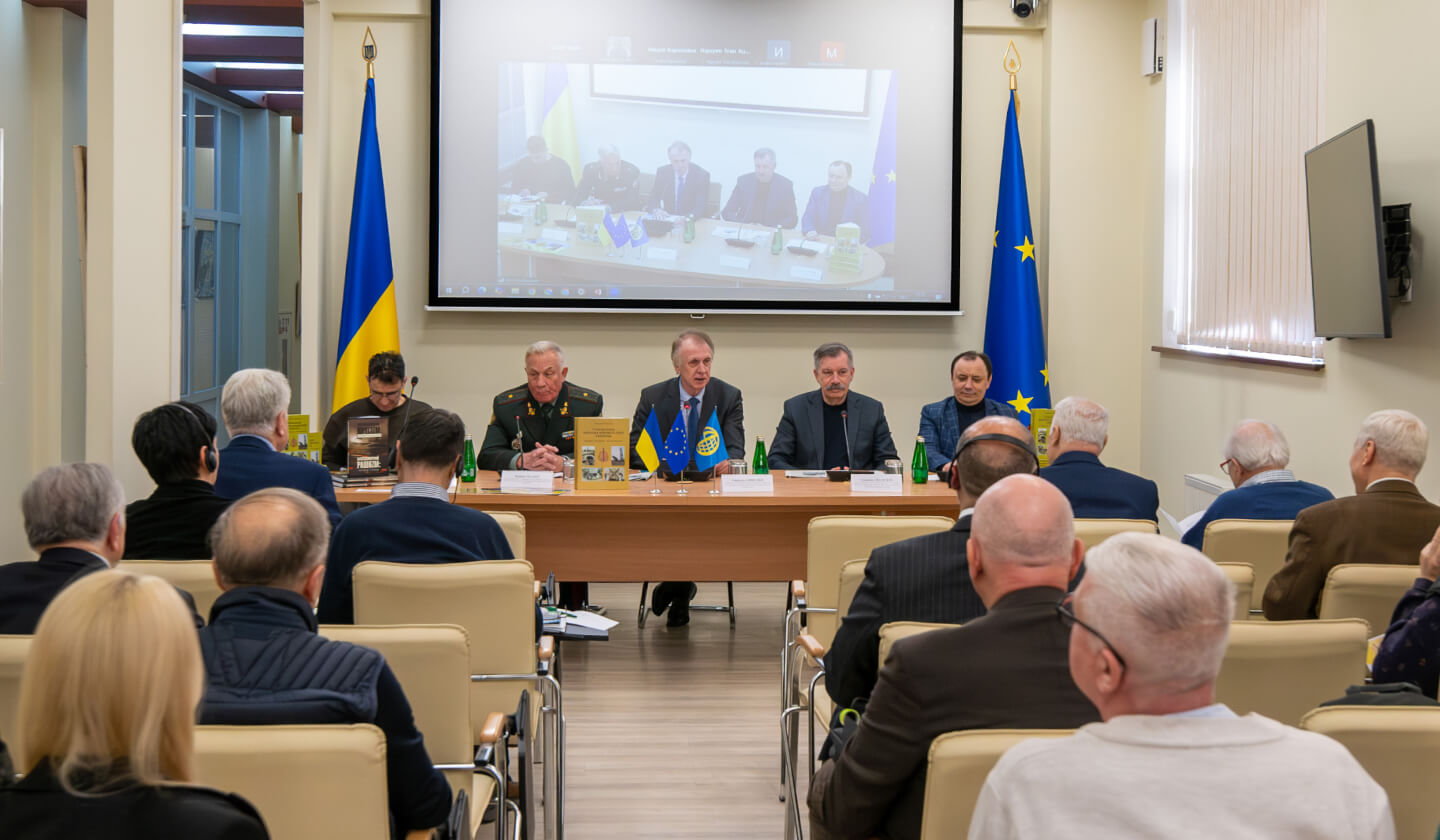
On Thursday, 12 March 2026, the GDIP Media Center hosted a roundtable discussion titled Nuclear Blackmail as the kremlin’s Last Argument: Should Europe Tremble?
The event was co-organized by the Centre for russian Studies and the State Enterprise ‘Directorate-General for Rendering Services to Diplomatic Missions’.
The roundtable’s moderator was Volodymyr Ohryzko, minister for foreign affairs of Ukraine (2007–9), Ambassador Extraordinary and Plenipotentiary, head of the Centre for russian Studies.
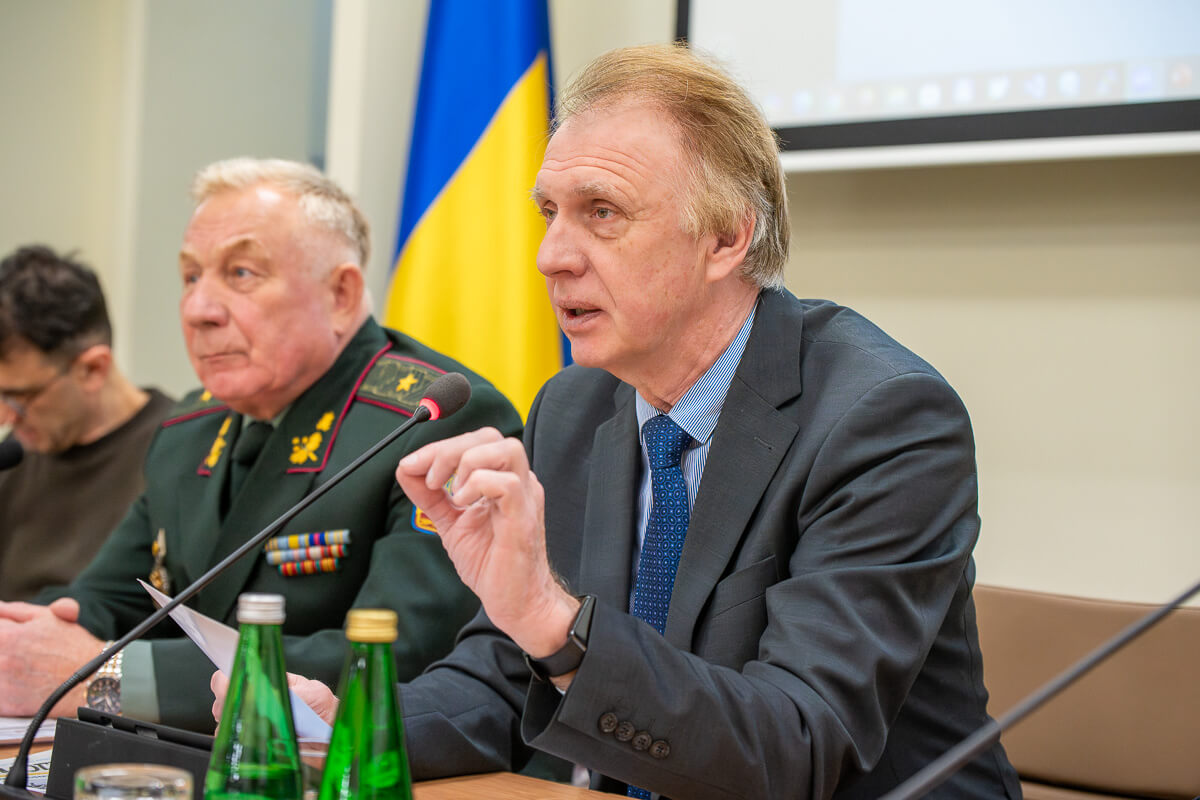
In his opening remarks, Volodymyr Ohryzko outlined the theme of the roundtable and described two main messages of russian propaganda that influence Western leaders:
‘Today’s topic of the roundtable is very relevant and practical. Losing on the battlefield, russia has recently stepped up its other war, the propaganda war, placing emphasis on two main ideas. The first is that they claim russia is a great nuclear power, so it cannot be defeated. And the second is that there is no way to break up russia, because then nuclear weapons will spread throughout the post-russian space and a major civil war will break out. These are, in fact, the two main messages in recent russian “deterrence propaganda”. And the worst part is that this logic works’
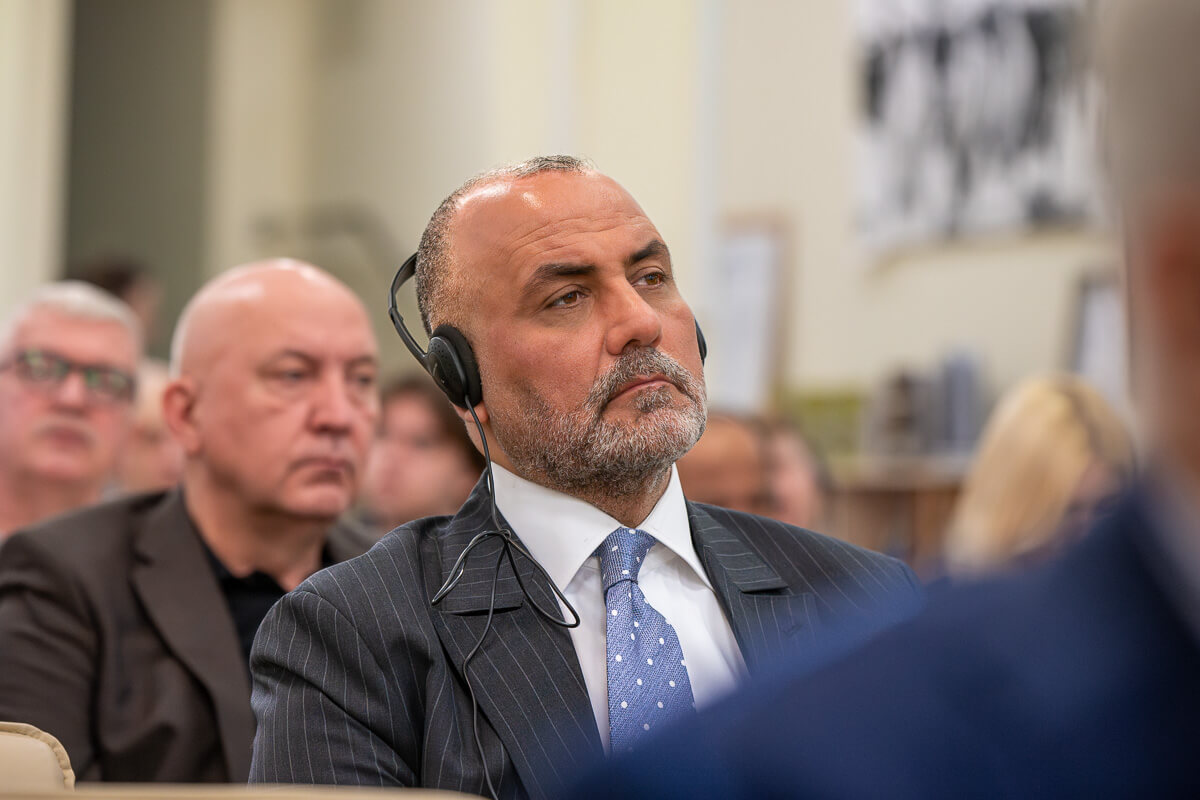
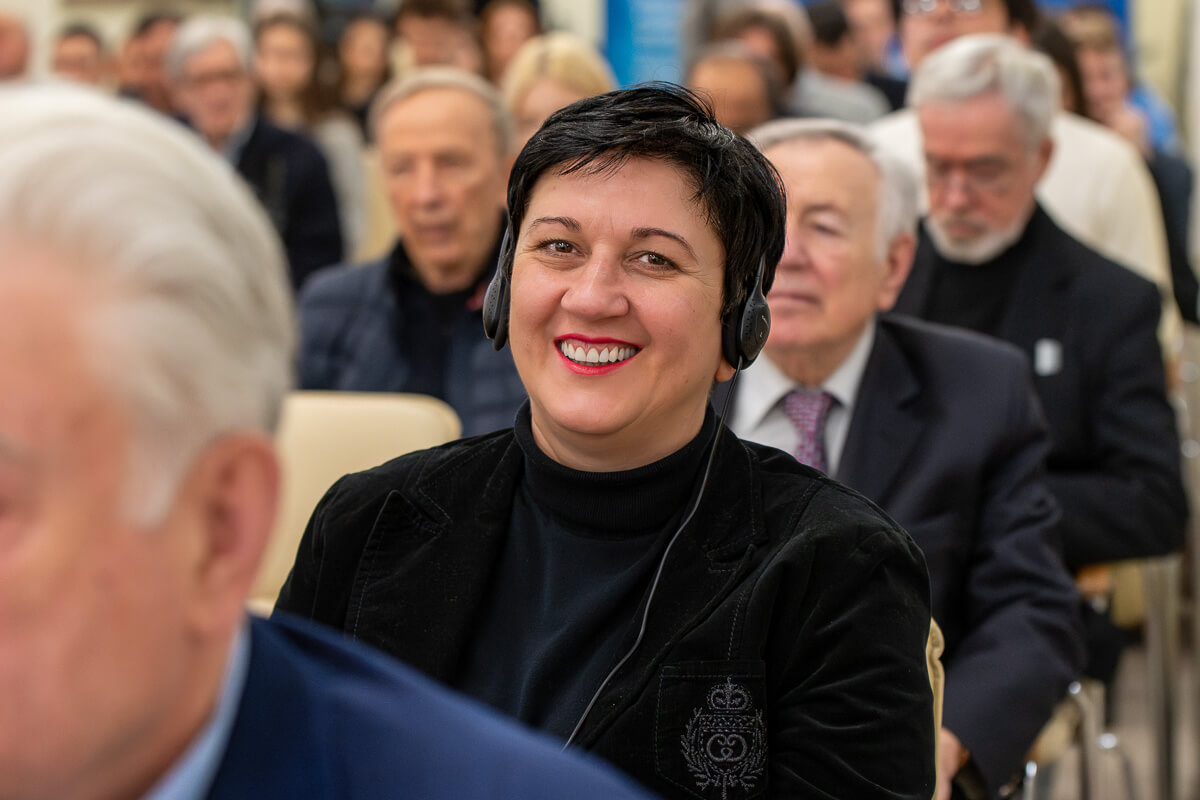

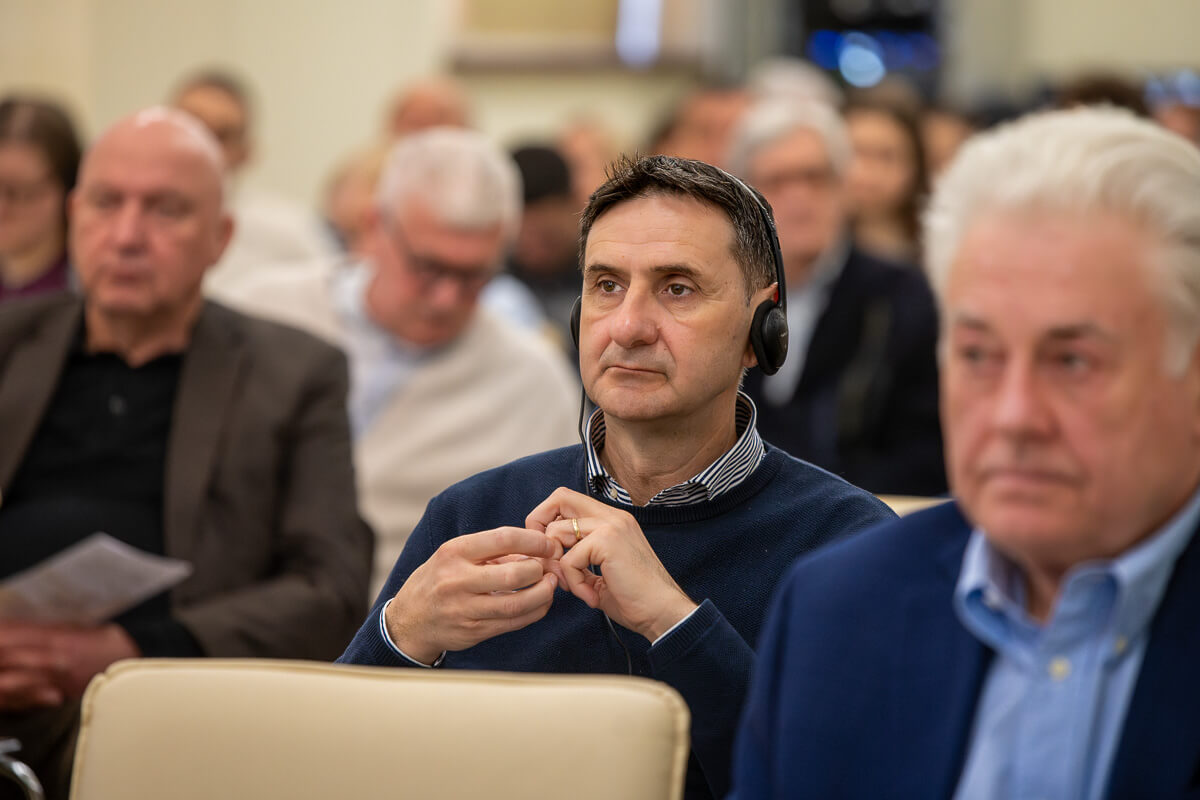
The event featured the following speakers: Volodymyr Havrylov, major general of the reserve of the Armed Forces of Ukraine, deputy minister of defence of Ukraine (2022–23); Mykola Filatov, major general (retired), commander of the 46th missile division (1990–94), first deputy commander of the 43rd missile army (1994–97); Pavlo Hai-Nyzhnyk, doctor of history, leading research fellow of the Kuras Institute of Political and Ethnic Studies of the NAS of Ukraine; Oleksii Yichak, head of department at the National Institute of Strategic Studies.
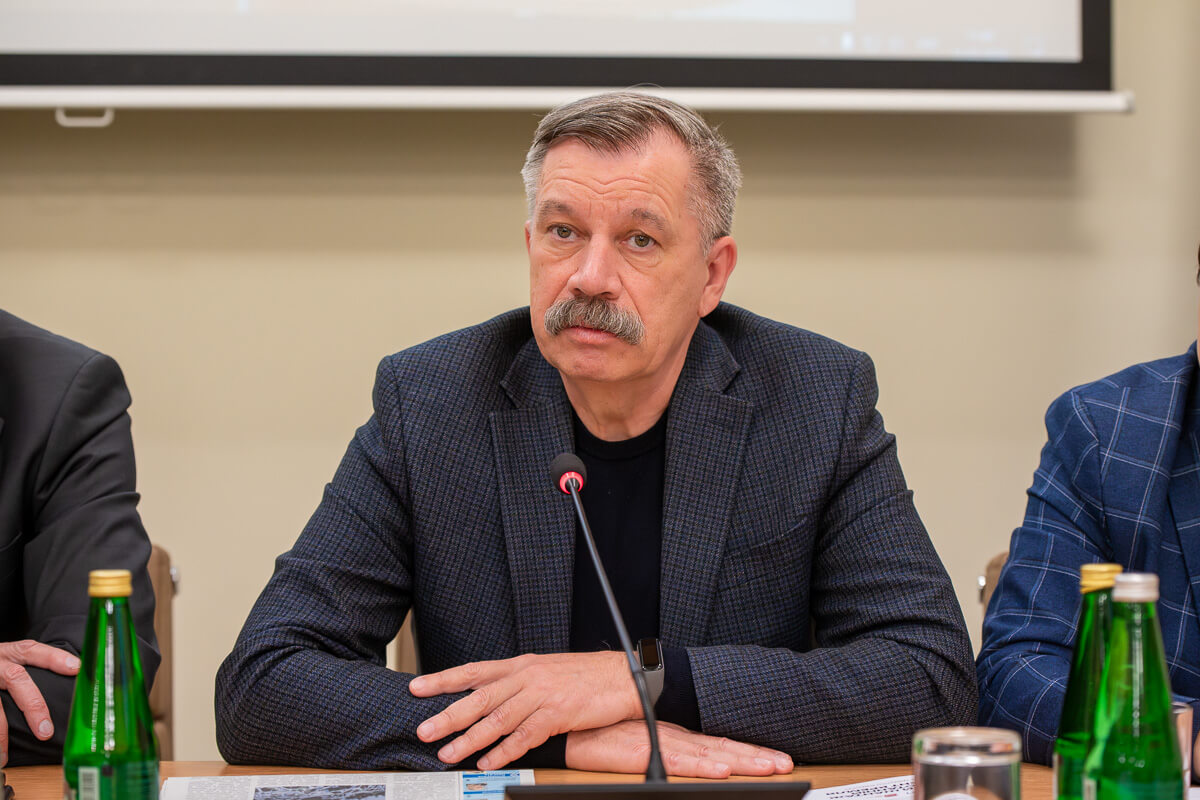
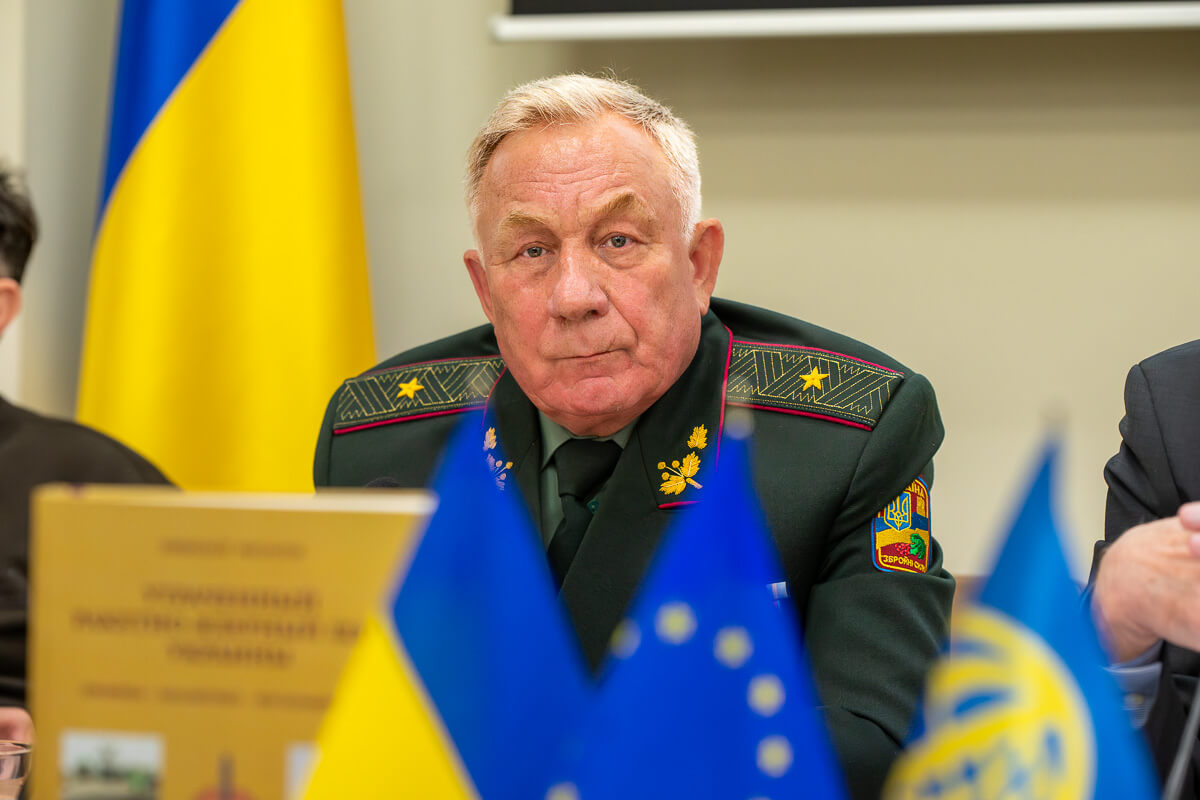
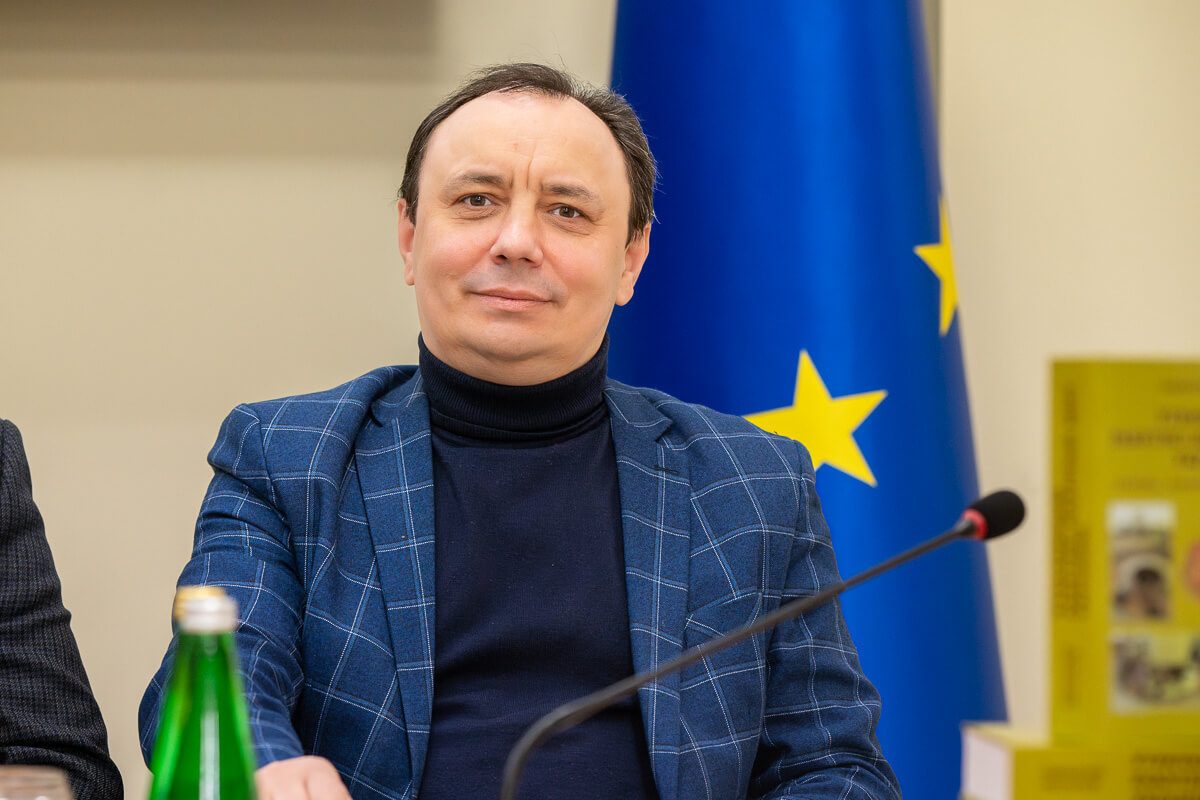
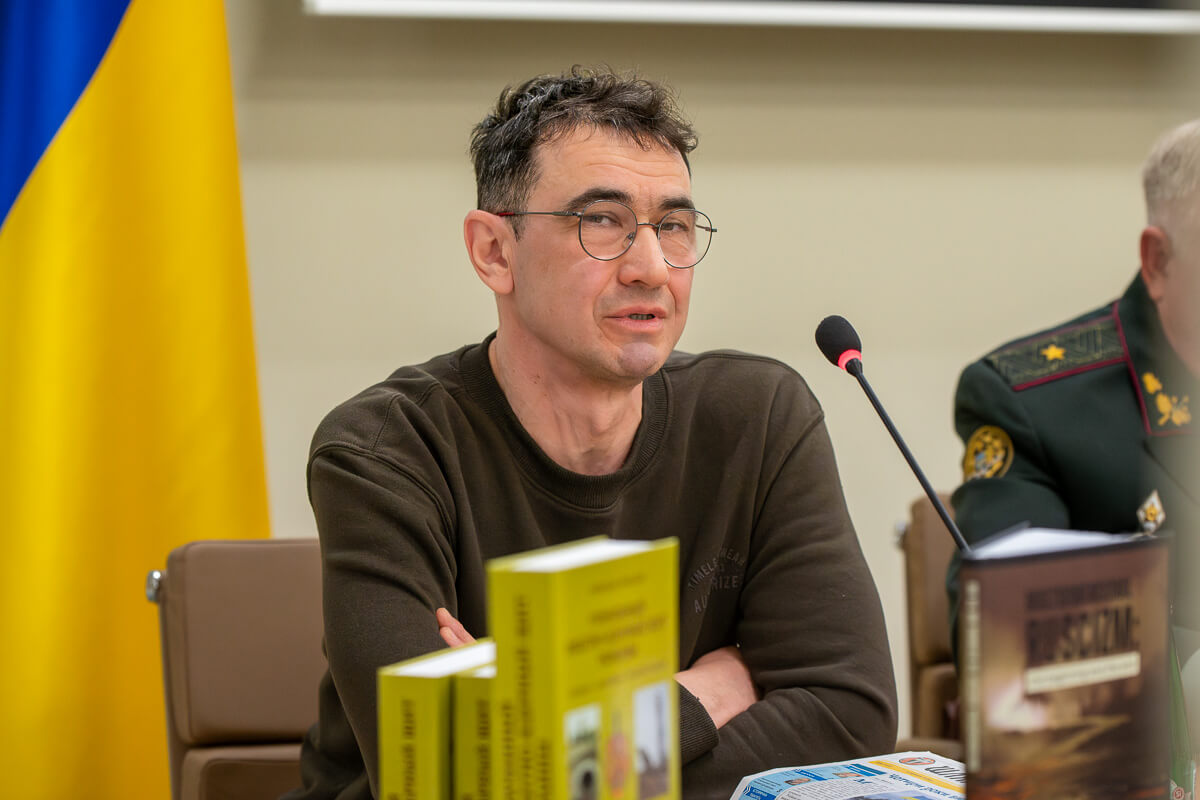
During the roundtable discussion, the speakers professionally explored a number of conceptual issues, including the following: nuclear blackmail as the primary instrument for intimidating the West; the current state of russia’s nuclear triad and whether the kremlin can employ nuclear weapons; the ‘danger’ of russia’s disintegration as a propaganda ‘scare’ tactic; Europe’s options of continuing to tremble or emerging as a global actor; lessons for Ukraine in the context of russia’s nuclear propaganda.
Diplomats, academics, university professors, and students joined the active discussion.
You can watch the recording of the event by following the link: https://youtu.be/9Si4A9PSdZ8?si=Cd2kdygDalSjdrDb.