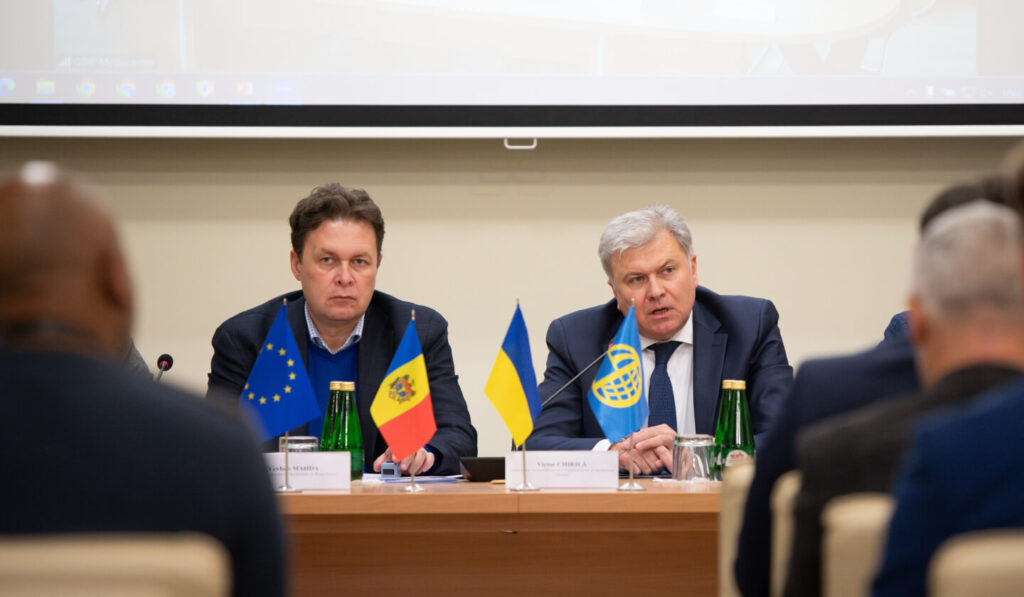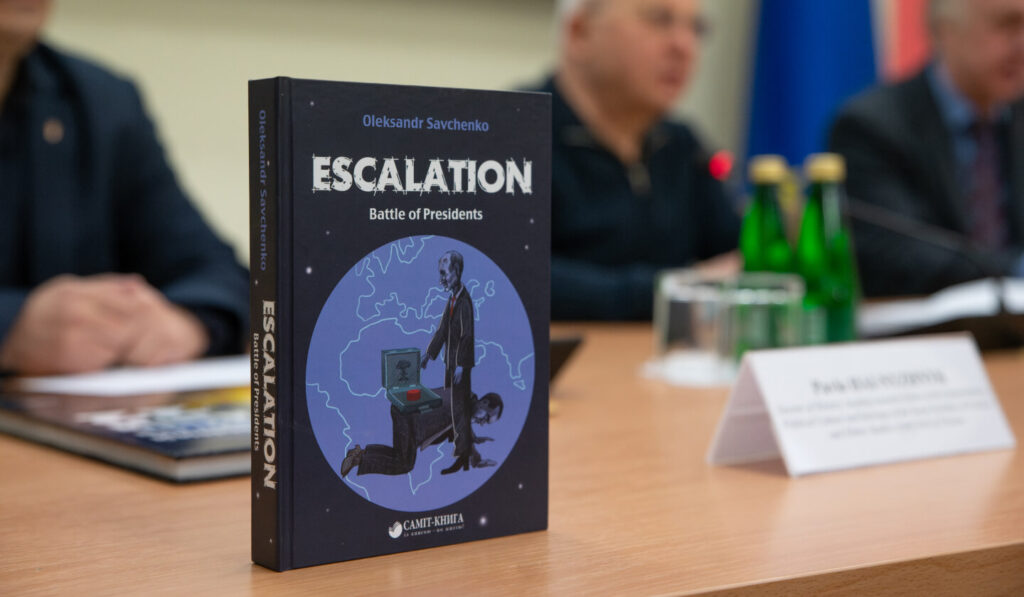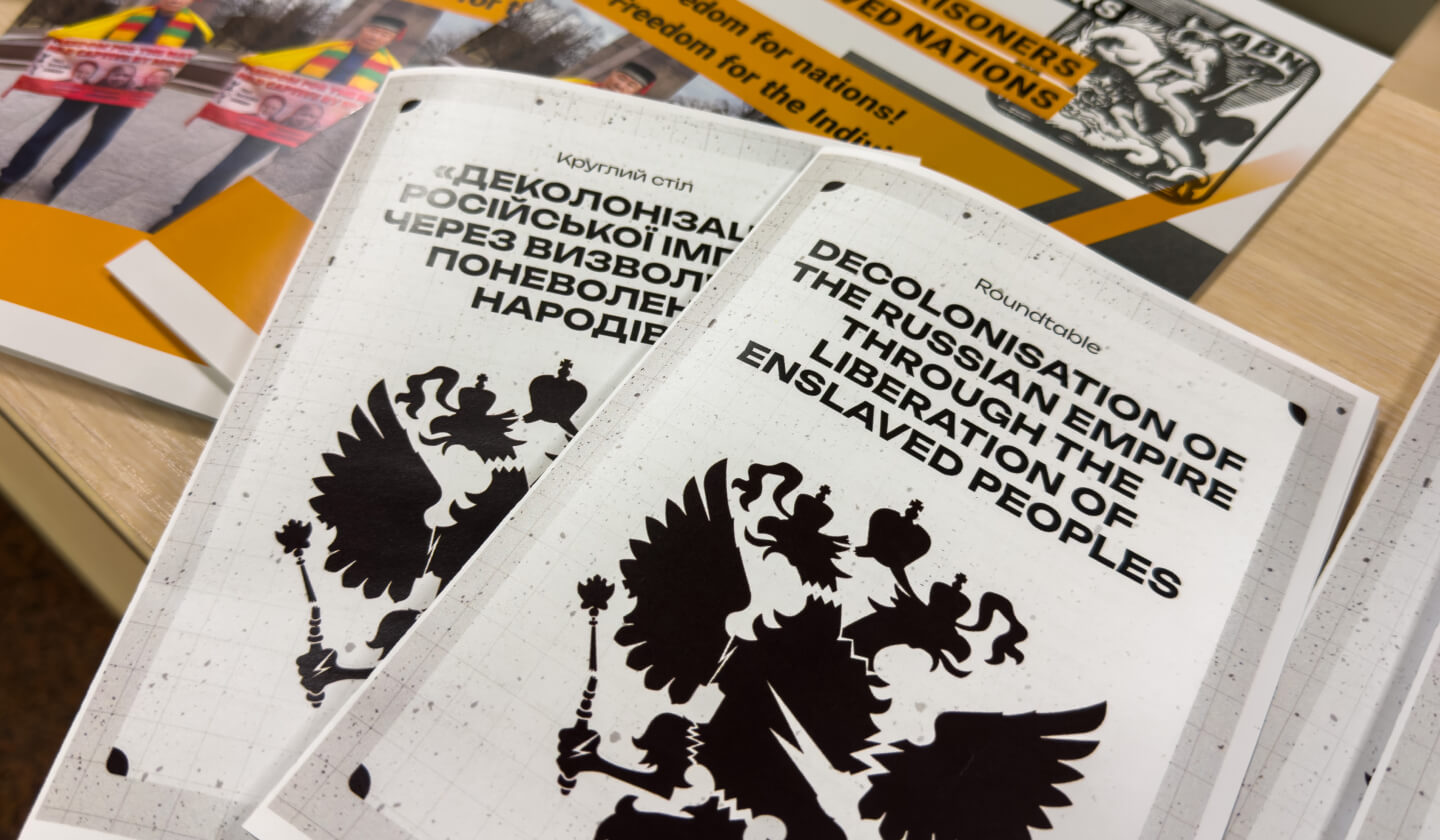
On Tuesday, 27 January 2026, a roundtable discussion entitled Decolonization of the russian empire through the Liberation of Enslaved Peoples took place at the premises of the GDIP Media Center. The event was organized by the Anti-Imperial Bloc of Nations in cooperation with the Ukrainian Centre for Peacebuilding NGO, with the support of the Directorate-General for Rendering Services to Diplomatic Missions.
Representatives of the foreign diplomatic corps, Ukrainian state authorities, Ukrainian academic institutions, and the media attended the event.
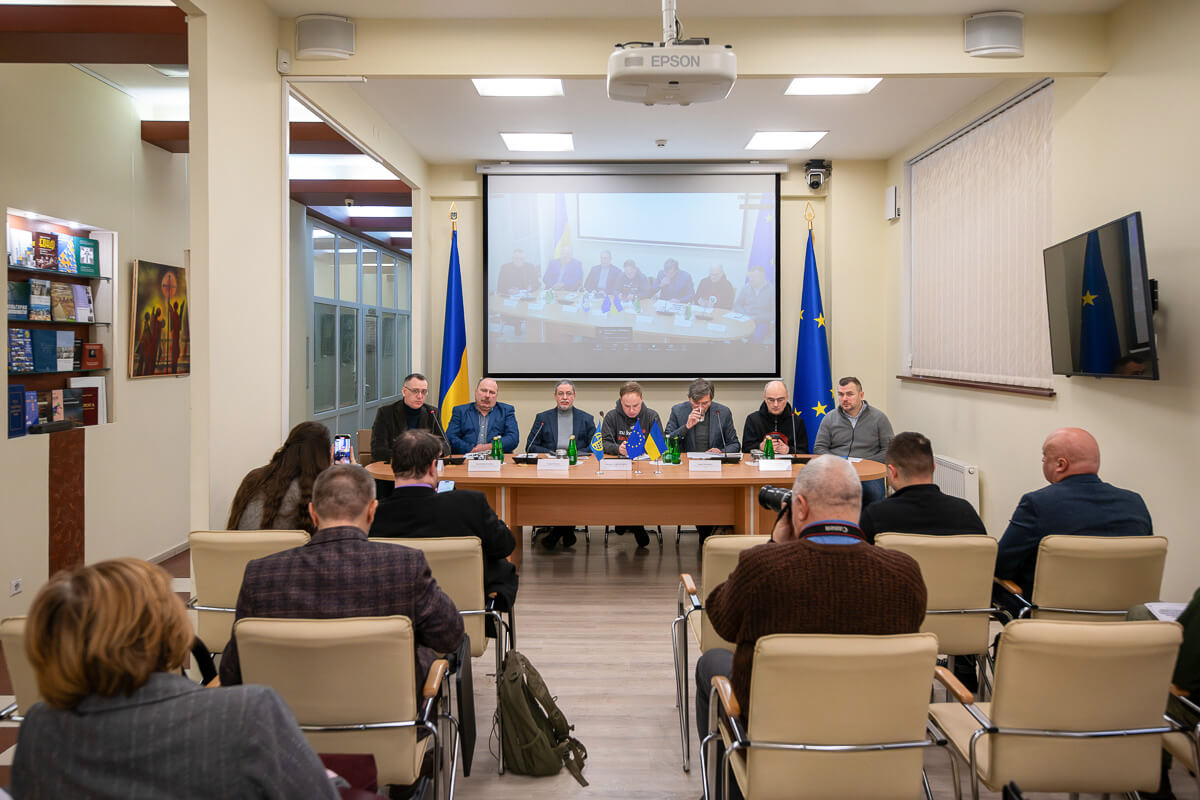
Oleh Vitvitskyi, Executive Director of the Anti-Imperial Bloc of Nations and moderator of the roundtable discussion, emphasized the relevance of the topic in his opening remarks.
The event featured an expert discussion of the key aspects of the decolonization of the russian empire, the role of Ukraine in these processes, the factors contributing to the formation of national agency among enslaved peoples, as well as the external and internal influences on the transformation of the contemporary geopolitical landscape.
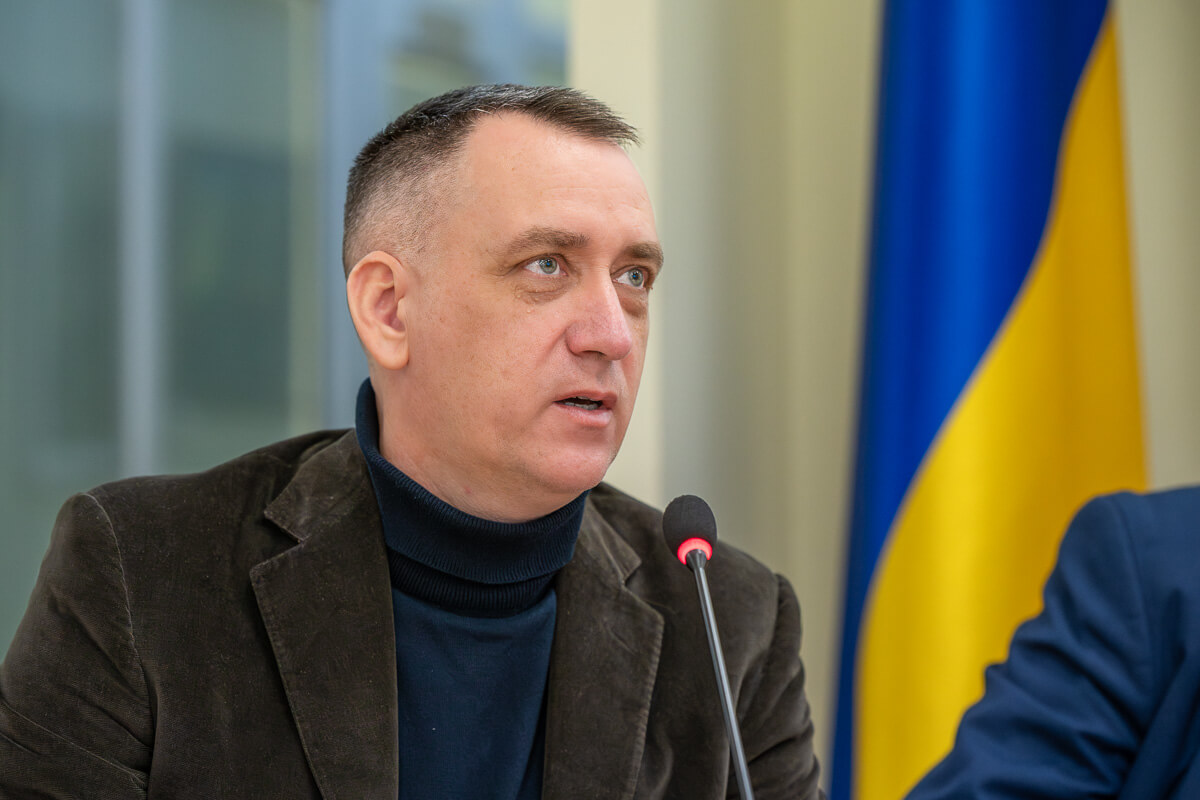
Among the speakers participating in the roundtable in both online and offline formats were Yaroslav Yurchyshyn, member of the Parliament of Ukraine, Chair of the Verkhovna Rada Committee on Freedom of Speech, and Deputy Chair of the Temporary Special Commission on the Development of State Policy towards Enslaved Peoples; Oleh Medunytsia, President of the Anti-Imperial Bloc of Nations, member of the Parliament of Ukraine of the 7th and 8th convocations; Valerii Pekar, Chair of the Board of the Decolonization NGO; Leontii Shypilov, Ukrainian legal scholar and Head of Programmes at the University of Free Nations; Vladimir Dovdanov, Deputy Head of the Congress of the Oirat-Kalmyk People; Andrii Mahera, constitutional law expert at the Centre of Policy and Legal Reforms; Dmytro Levus, an expert at the United Ukraine think tank; Nazar Mukhachov, journalist and Editor-in-Chief of the US-based Ukrainian-language Surma newspaper; and Aida Abdrakhmanova, Head of the Committee for the Independence of Tatarstan.
In his address, Yaroslav Yurchyshyn focused on the current state and prospects of Ukraine’s policy towards supporting enslaved peoples within the russian federation. He emphasized that the relevant draft law has already been prepared and enjoys the support of key institutions; however, its adoption has been blocked for political reasons. The speaker emphasized the importance of international recognition of the right of enslaved peoples to self-determination as a prerequisite for long-term peace in the region, highlighted Ukraine’s role as a partner and advocate of these peoples, and stressed the need to improve coordination between state institutions, civil society, and international partners:
‘Our victory concerns not only Ukraine, but also the development of a democratic and civilized world around us […] The results of a sociological survey conducted by the Decolonization NGO indicate that the overwhelming majority of Ukrainian society views oppressed peoples as partners in the issue of transforming the political system of the Russian Federation. At the same time, we once again recognize how much trauma and pain exist in relations between our peoples as a result of Russian aggression and Russia’s imperial policy.’
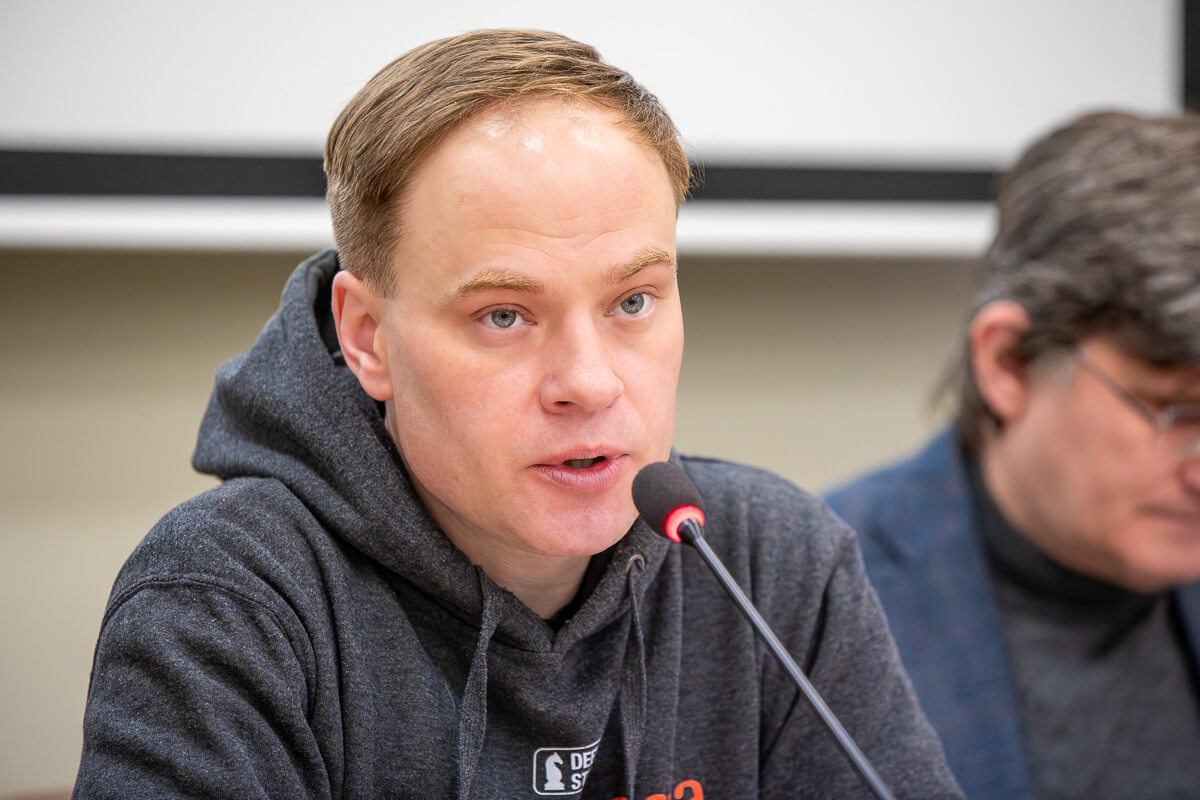
‘We see our task as ensuring that the decolonization and de-imperialization of the Russian Federation are not merely discussed here, in Ukraine, but become a global political trend […] Russian imperialism has not disappeared, and it can only be defeated by dismantling this state […] That is why we must speak out and convince global political leaders that approaches to Russia must change. After all, we witnessed the collapse of the Soviet Union, and we believe that the Russian Federation will collapse in the same way,’
stated Oleh Medunytsia, President of the Anti-Imperial Bloc of Nations and member of the Parliament of Ukraine of the 7th and 8th convocations, during his address.
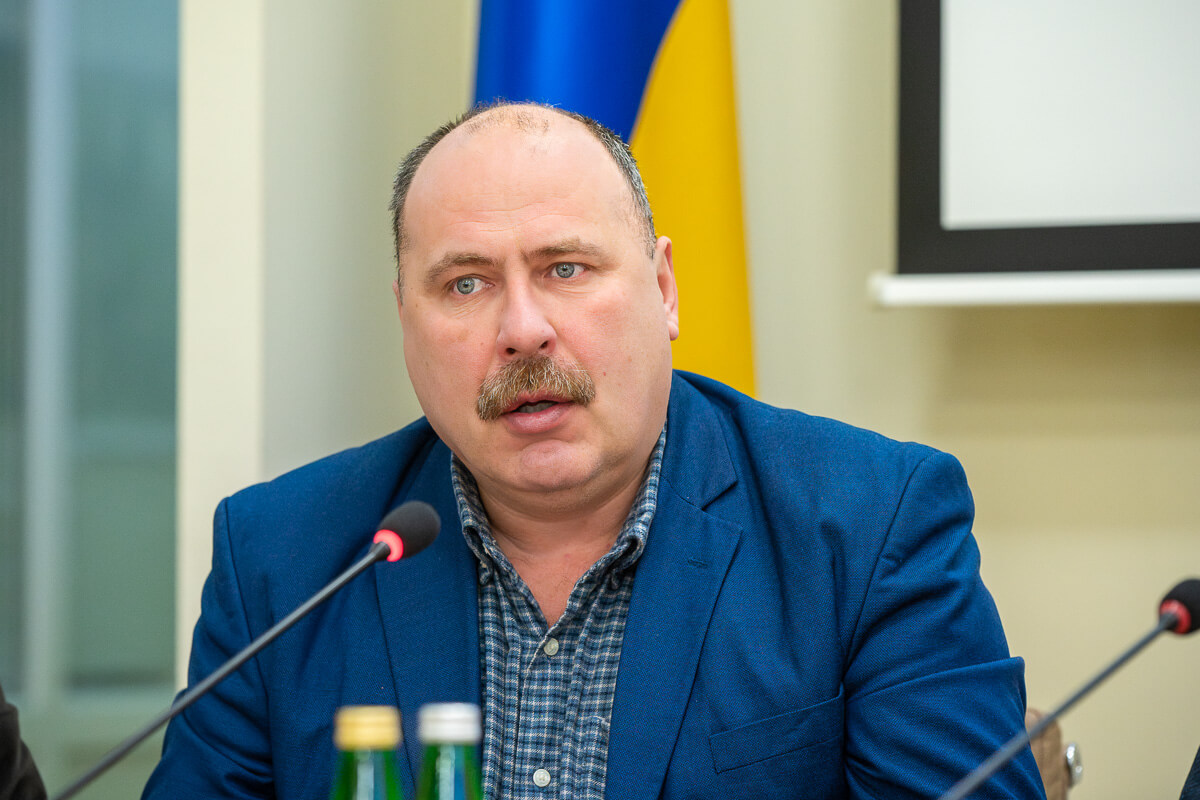
During his speech, Leontii Shypilov highlighted Ukraine’s potential as an intellectual and organizational hub for liberation processes involving enslaved peoples. He noted that the decolonization of russia requires a comprehensive approach in which Ukraine should serve not only as an example, but also as a centre of support and decision-making. Mr Shypilov emphasized the importance of transferring Ukraine’s historical and contemporary state-building experience, developing anti-colonial studies, strengthening international legal expertise, and building practical capacities — ranging from strategic planning to awareness-raising and security-related work.
Valerii Pekar stressed that Ukraine’s true victory lies in long-term security, which cannot be achieved without the decolonization of russia. He challenged the myth of russia’s democratization, described ‘moscow-centric’ way of thinking as a trap for the West, and argued that a controlled disintegration of the empire represents the most realistic and safest scenario:
‘We clearly understand that the war will not end with Putin’s death, after a ceasefire, or following any form of reconciliation. Reconciliation is merely a transition to waging war by other means. Victory means that Ukraine is secure for the long term […] We do not know when D-Day will come, but we must increase preparedness for it — in Kyiv, Washington, Brussels, London, Paris, Berlin, Warsaw, Vilnius, as well as in Kazan, Ufa, Makhachkala, Yakutsk, and other cities.’
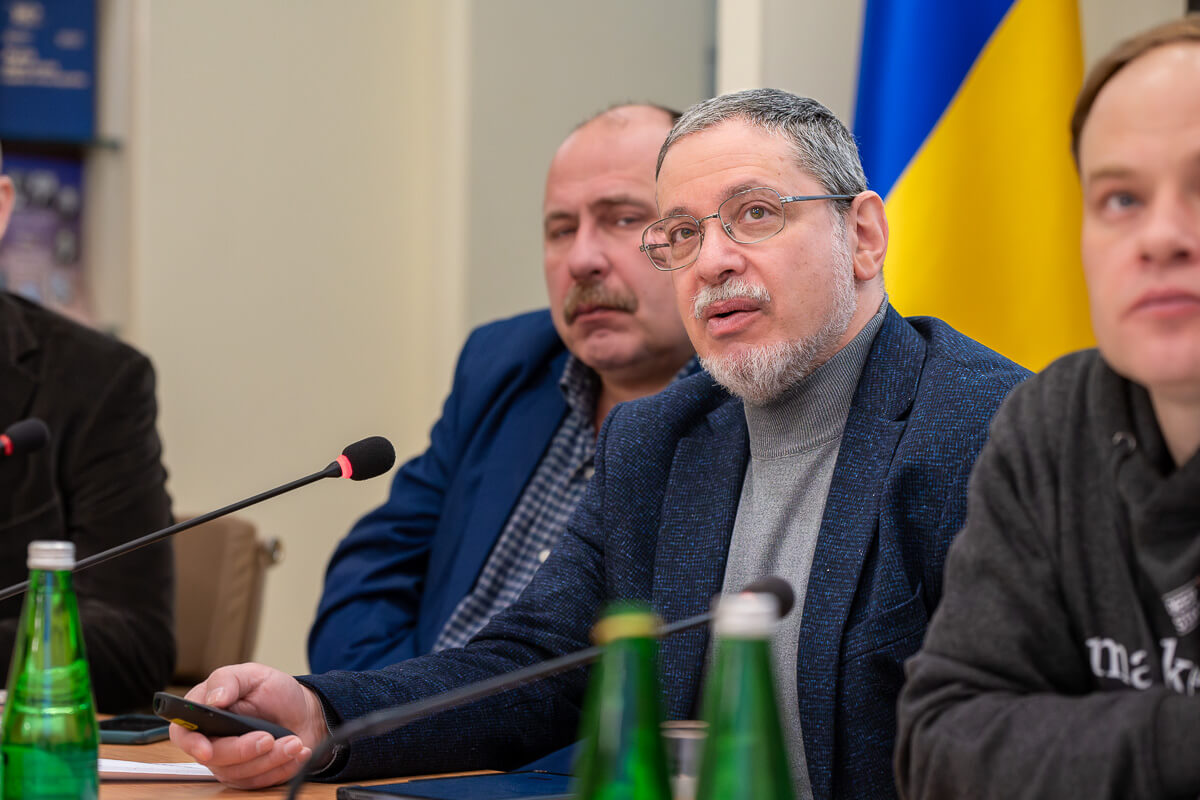
Vladimir Dovdanov, a representative of the Oirat-Kalmyk people, cited his analytical report in which he emphasized that russia, despite changes in its formal designation as the soviet union or the russian federation, remains an empire. He stated:
‘The Russian Empire is a classical colonial system that has maintained control over our peoples — dozens of peoples — through force, repression, and total control. Political disenfranchisement, economic plunder of the regions, and forced russification are not side effects but the very essence of the imperial model. The war against Ukraine is not an aberration but a logical continuation of this policy and, at the same time, a catalyst for the collapse of the imperial centre.’
He stressed that the diasporas of peoples oppressed by russia should not merely adapt to existing conditions but dismantle them through solidarity-based action and support for national liberation movements.
In her address, Aida Abdrakhmanova emphasized that the readiness of enslaved peoples for a liberation struggle is shaped through an awareness of the colonial nature of russia and the restoration of their own identities — language, culture, and responsibility. She underscored that kremlin repression itself contributes to the erosion of imperial myths, while Ukraine represents a key ally and a practical example of the feasibility of breaking free from empire. She also highlighted the importance of adopting a Ukrainian state policy towards enslaved peoples and of conducting systematic work with diasporas under conditions of limited resources:
‘Above all, Ukraine is a clear demonstration that Russia, as an empire, is neither eternal nor invincible. For the oppressed peoples of Russia, Ukraine becomes a point of reference, a guiding landmark, and a moral imperative demonstrating that exit from the imperial system is possible.’
Andrii Mahera examined the prospects for independence of the constituent entities of the russian federation through the lens of constitutional and international law, emphasizing that modern russia was formed not as an abstract ‘constitutional federation’ but as a result of specific political and legal arrangements established in the early 1990s. He also drew attention to the systematic restriction of the linguistic rights of peoples oppressed by russia. In conclusion, Mr Mahera stressed that a controlled legal disintegration of russia represents a far less dangerous scenario than a chaotic collapse.
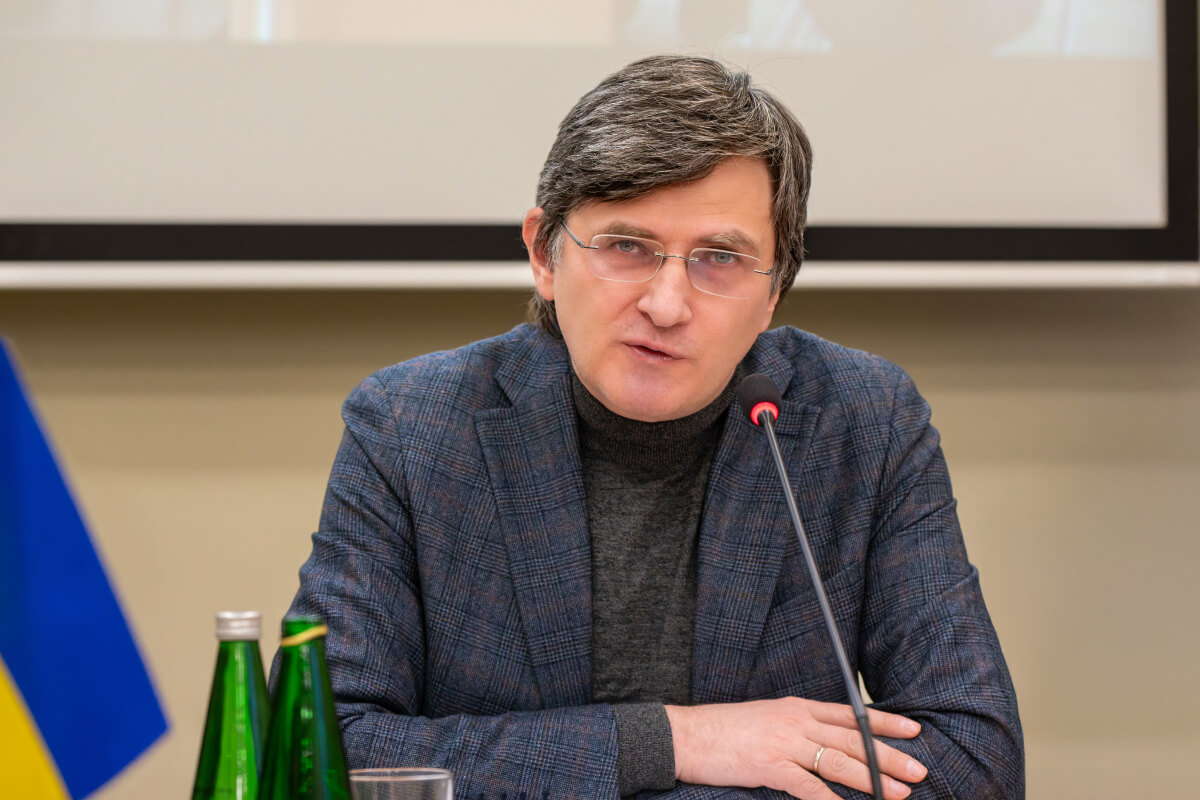
In his report, Dmytro Levus spoke about the heterogeneity of the internal demand for independence among the peoples enslaved by russia and moscow’s covert efforts to constrain their political agency, including through the imitation of opposition activity. Mr Levus shared his critical comments on the composition of the russian opposition platform, which was adopted by the Parliamentary Assembly of the Council of Europe on 26 January 2026:
‘This is an attempt by the Russians to make national liberation movements appear fake, to downplay their significance, but still [view them] in the context of a greater Russia.’
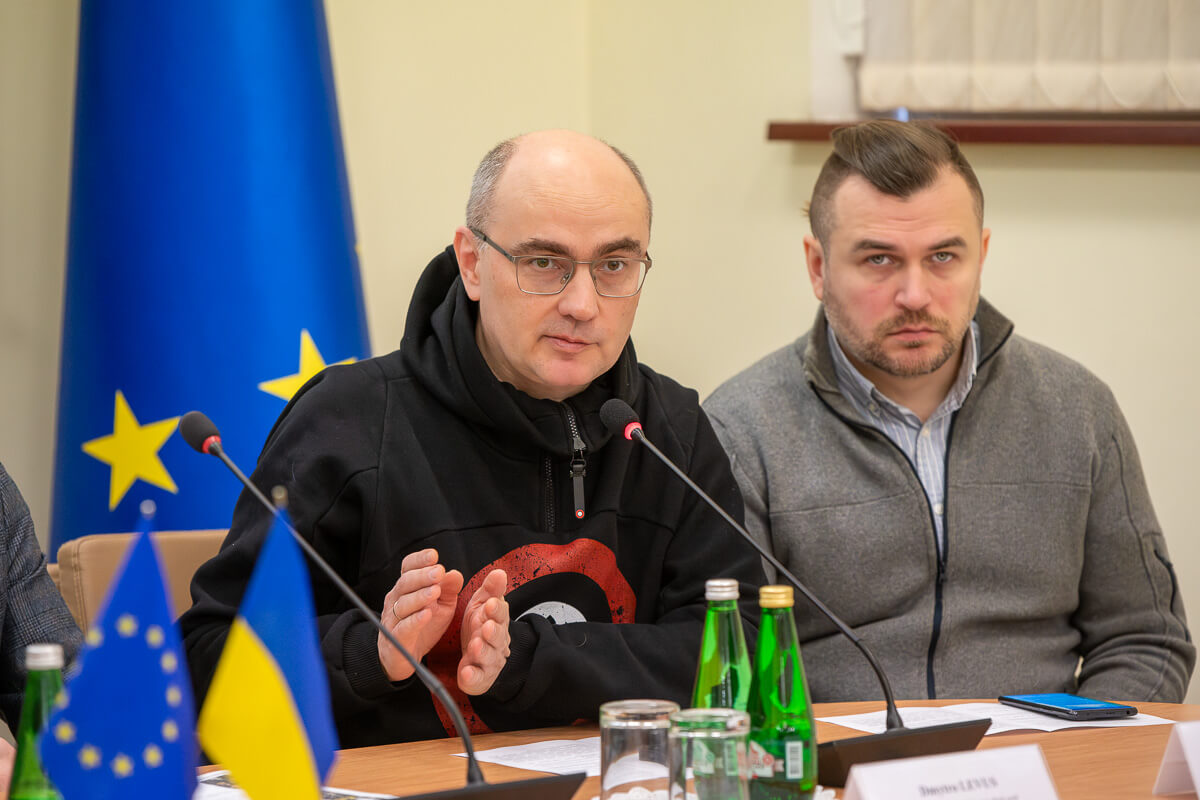
‘The law functions only where power exists. And the task of Ukraine as the state of the Ukrainian people is to create the necessary preconditions for the peoples enslaved by Muscovy to be able to build their own statehood,’
noted Nazar Mukhachov in his speech and emphasized that the accumulation of such power is the decisive factor in the struggle for self-determination. The speaker criticized the illusion that international instruments alone can guarantee freedom and underscored the need to systematically empower enslaved peoples. Mr Mukhachov also highlighted the importance of countering kremlin propaganda, rethinking the role of the peoples as historical actors, and recognizing Ukraine’s strategic role in shaping the conditions for a controlled disintegration of the russian federation.
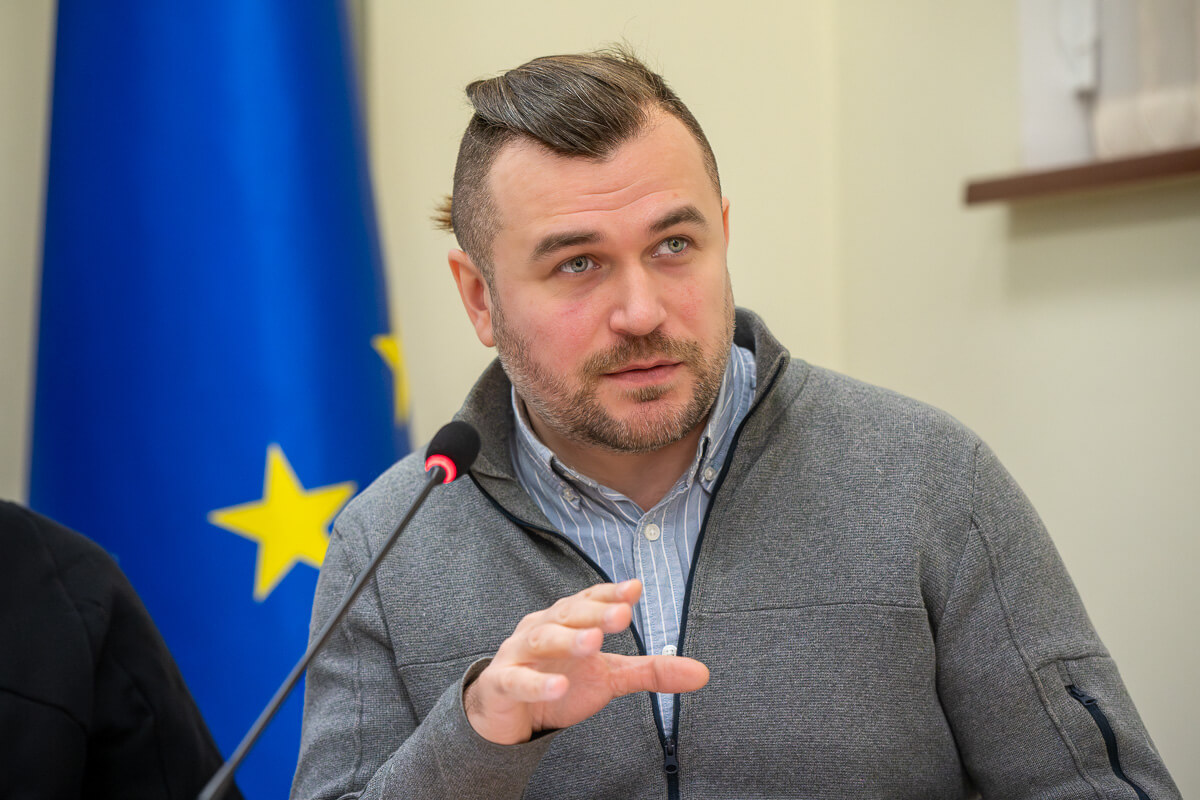
Experts in constitutional and international law, strategic studies, decolonization, information policy, and peacebuilding also joined in the lively discussion.
Vasyl Kostytskyi, Doctor of Laws, Full Professor, and Vice-President of the Association of People’s Deputies of Ukraine, drew the participants’ attention to the historical experience of the Ukrainian national liberation movement and emphasised the continuity of the idea of independent statehood, as well as the responsibility of the political and intellectual elite for its preservation and development. Mr Kostytskyi also noted Ukraine’s role as a potential intellectual centre capable of assisting oppressed peoples in the formation of their own statehood concepts and underscored:
‘The force of law is an important matter, but the law of force also carries significant weight in the democratic world.’
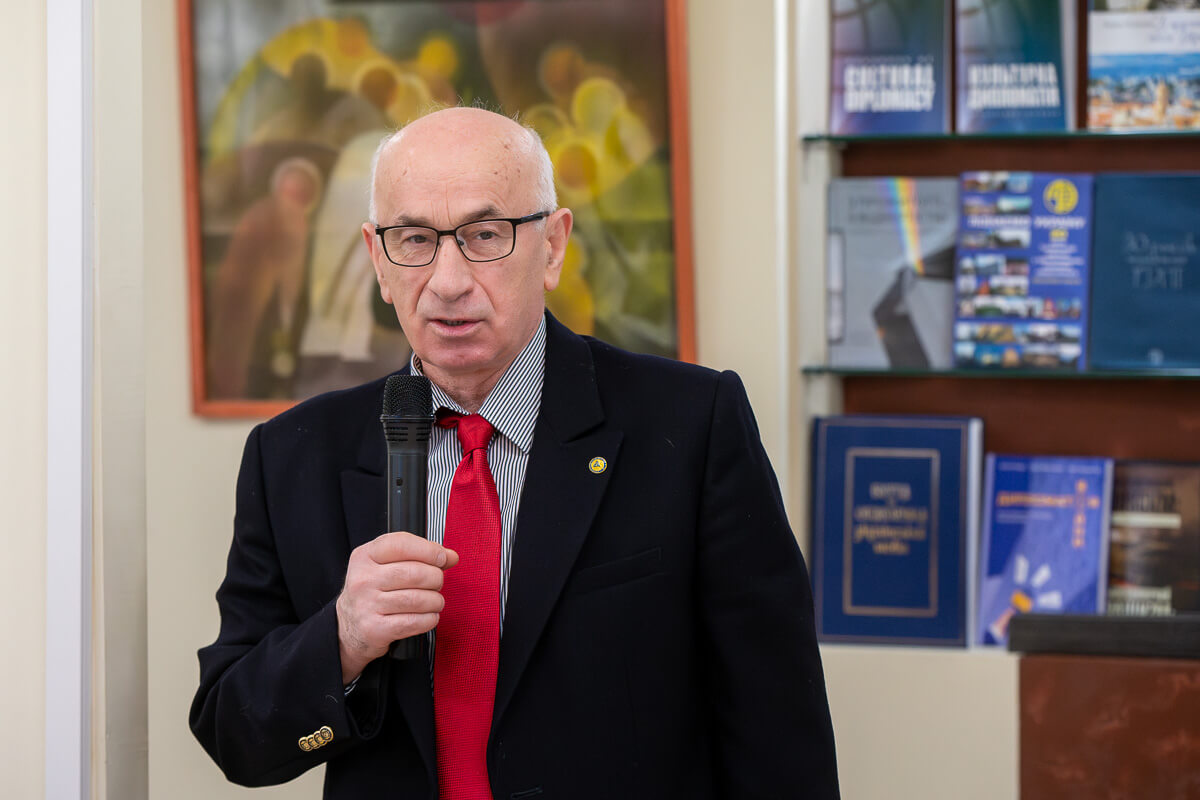
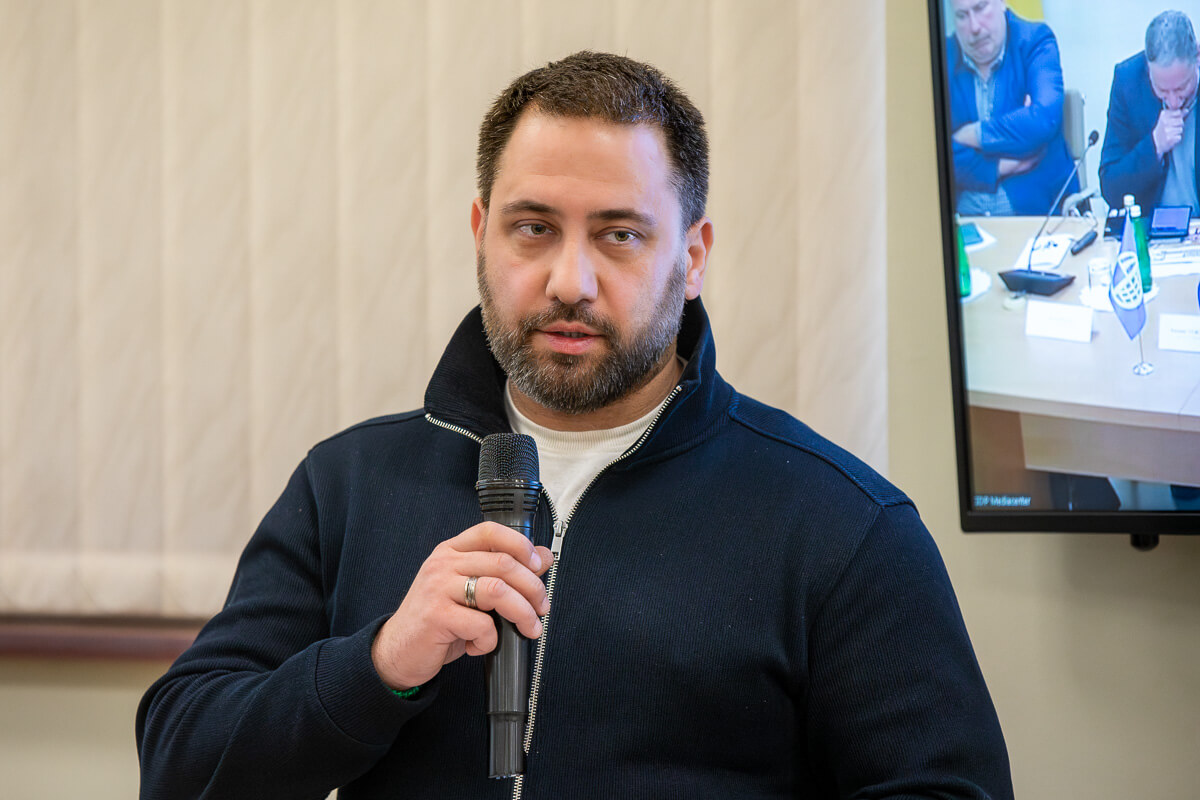
For his part, Denys Bordiian, Head of the Ukrainian Centre of Peacebuilding NGO, added that
‘…the situation currently unfolding around Russia is probably the most favourable for oppressed peoples to assert their independence and move toward decisive action.’
Drawing a historical parallel with 1917, he stressed that imperial crises historically open windows of opportunity for national liberation and highlighted Ukraine’s role as both a successful model of resistance and a key driver of anti-imperial movements.